What if a painting never stayed in one place? For the fourth Artivism Awards, Japanese artist Shoko Okumura was invited to create a permanent mural aboard the sailing yacht SY Kyalami—an artwork destined to travel across the Mediterranean and evolve with the changing light at sea. In this interview, she discusses the creative challenges of working beyond the gallery, the connection between this unique commission and her series Empathy Towards Things, and how the experience reinforced ideas that have long been at the heart of her practice.
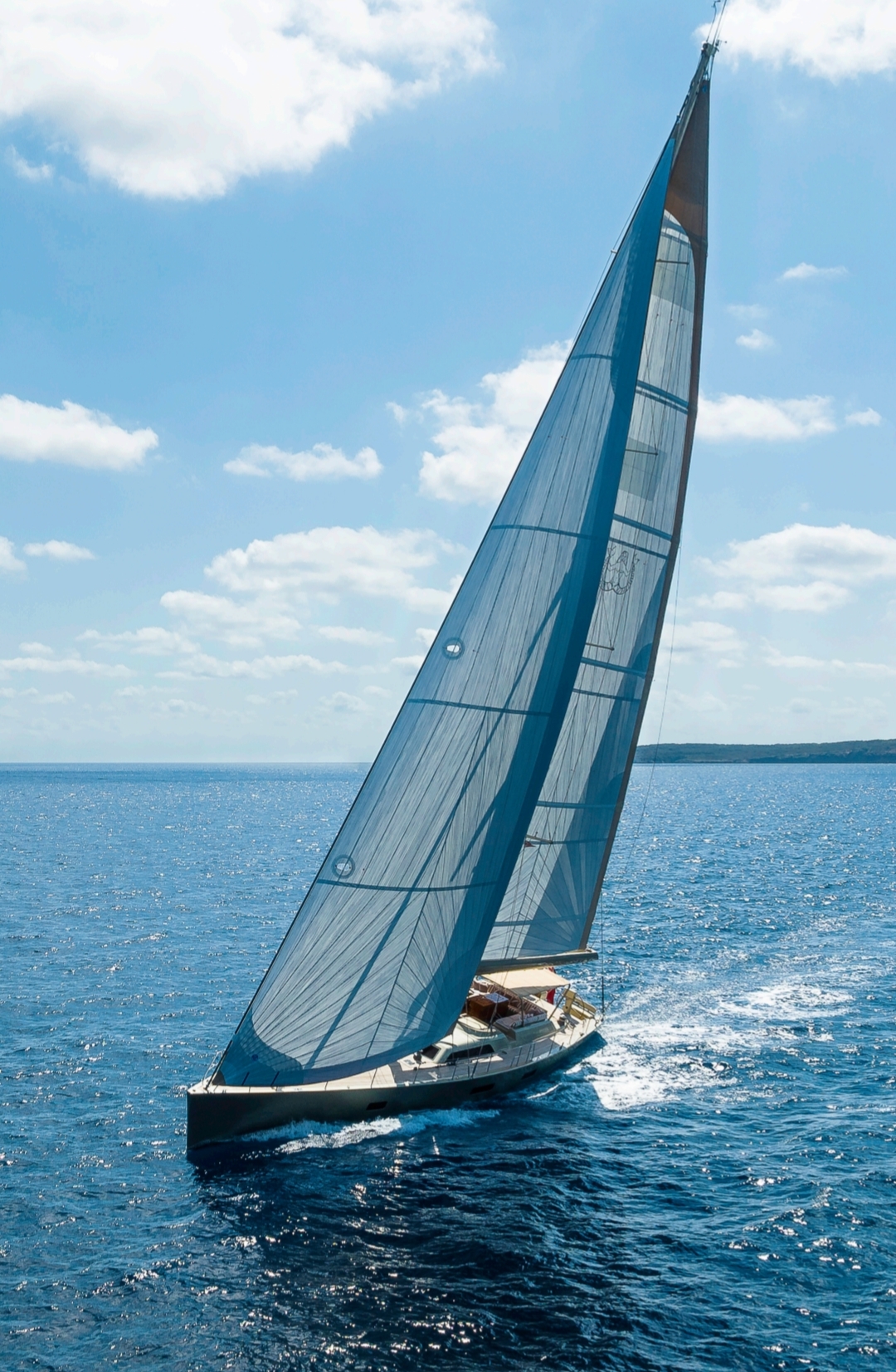
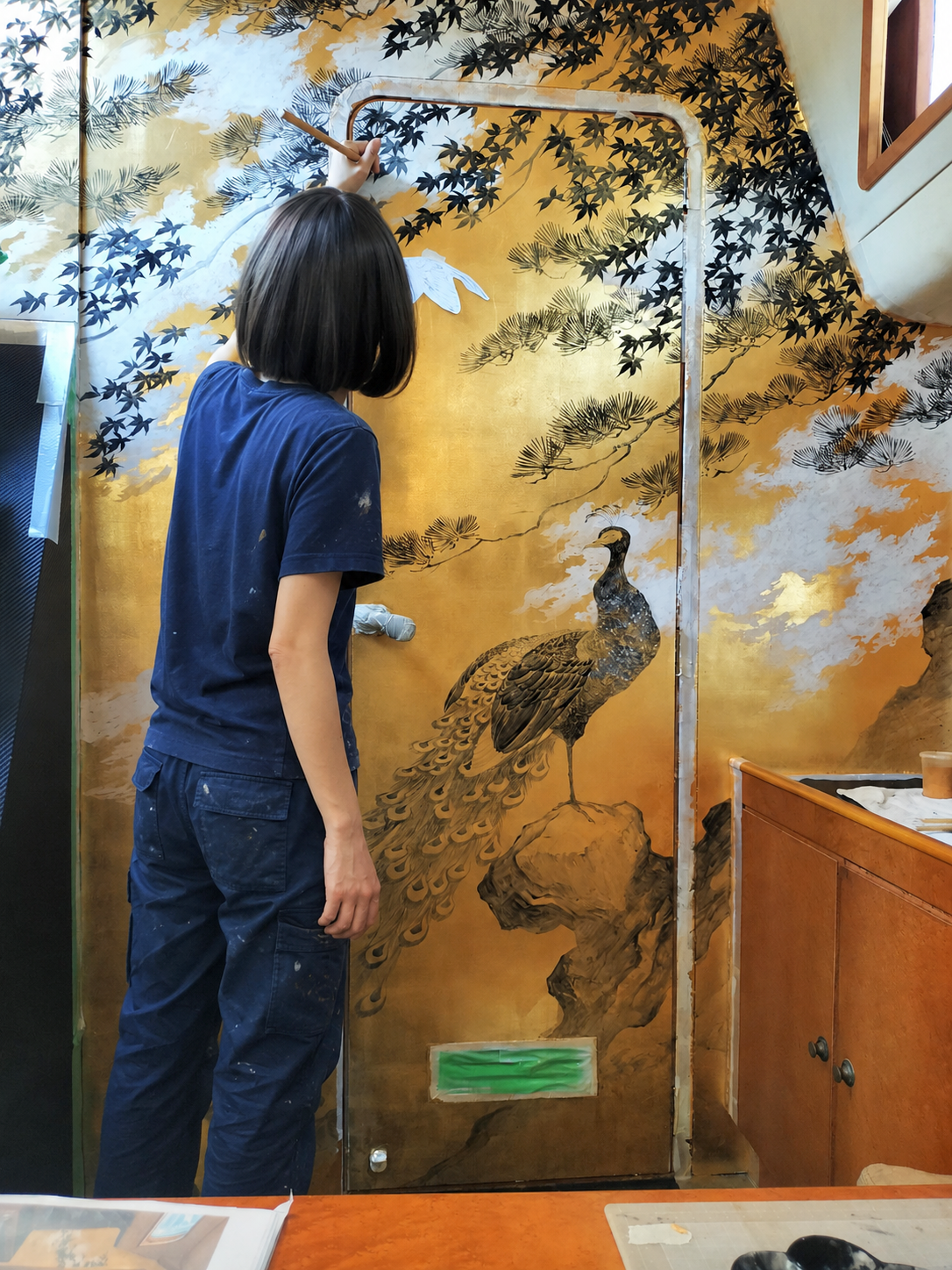
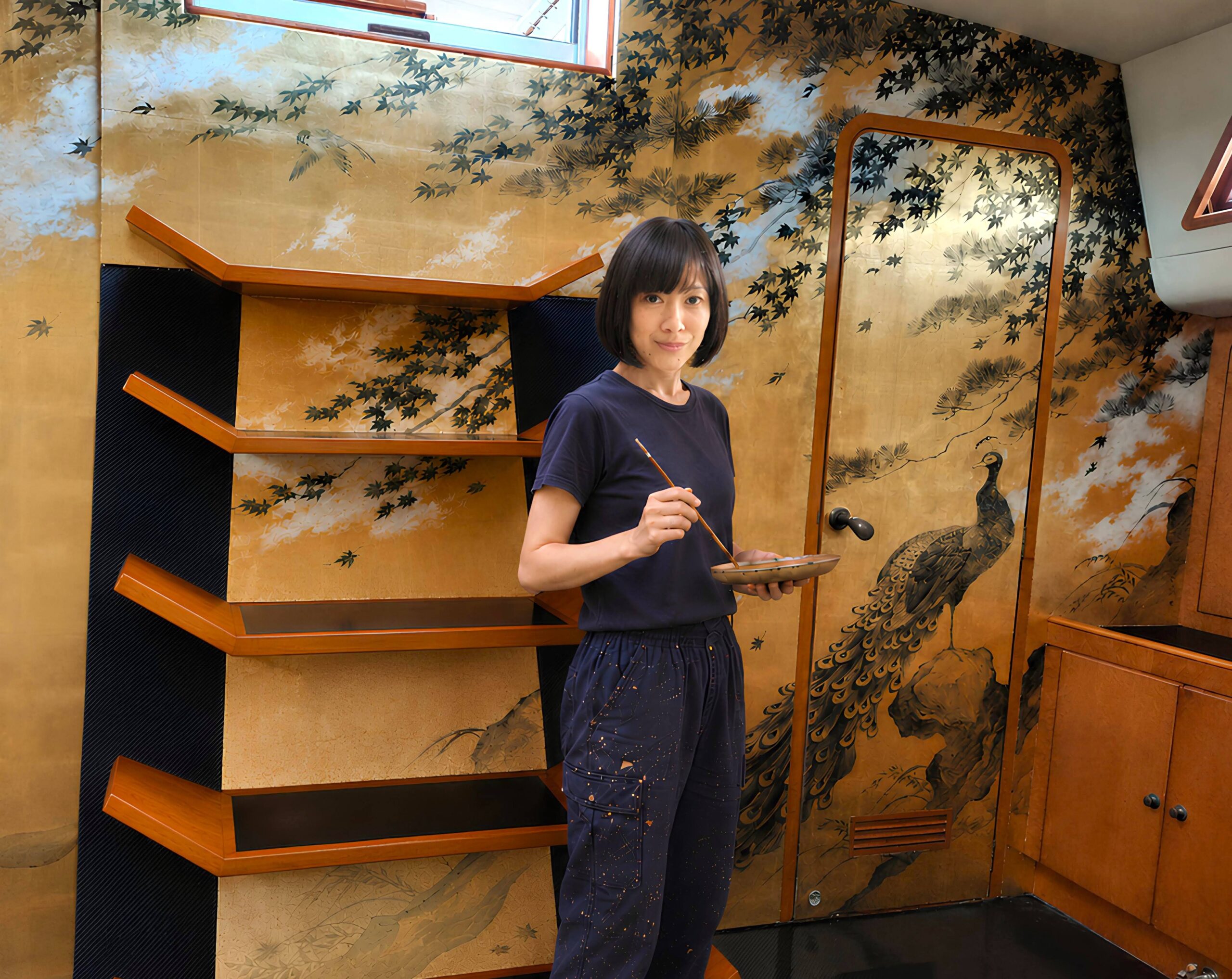
In 2026, Japanese artist Shoko Okumura took part in the fourth edition of the Artivism Awards, an international initiative founded on the belief that art can inspire critical thinking and foster the awareness needed to address today’s environmental and social challenges. Curated by Diana von Hohenthal und Bergen, together with artists Alexandra Mas and Peter Hopkins, the project brings together artists whose practices engage with urgent contemporary issues through artistic action rather than illustration or commentary.
This edition focused on ocean preservation and was developed in collaboration with Malta’s Underwater Cultural Heritage Unit, whose research explores the relationship between the Mediterranean’s underwater cultural heritage and its marine environment. Bringing together artists, scientists and environmental researchers, the initiative sought to create meaningful exchanges between artistic practice and scientific research.
The project unfolded as a voyage across the Mediterranean aboard SY Kyalami, a sailing yacht whose cultural programme is built around curated journeys linking art, heritage and major cultural events, including the Venice Biennale. Departing from Malta, the participants sailed to Venice, with a stop in Dubrovnik, where the project culminated in the opening of the exhibition Ocean Preservation Awareness at the Venice Yachting Club on 5 June.
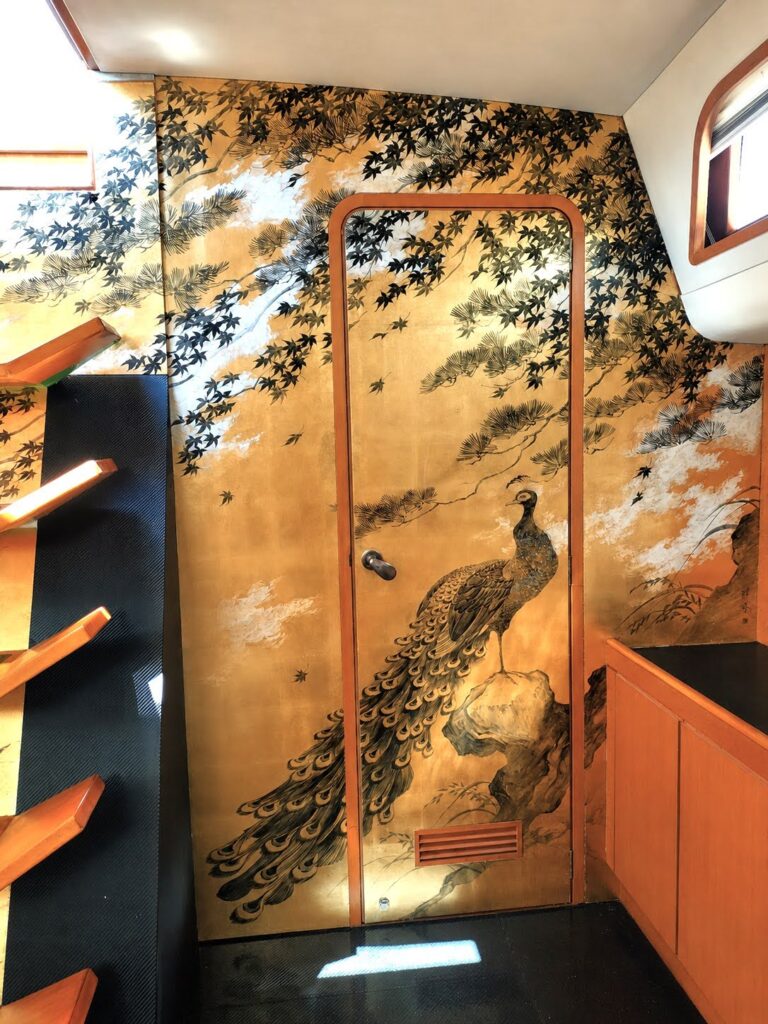
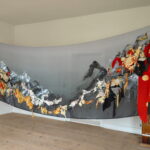
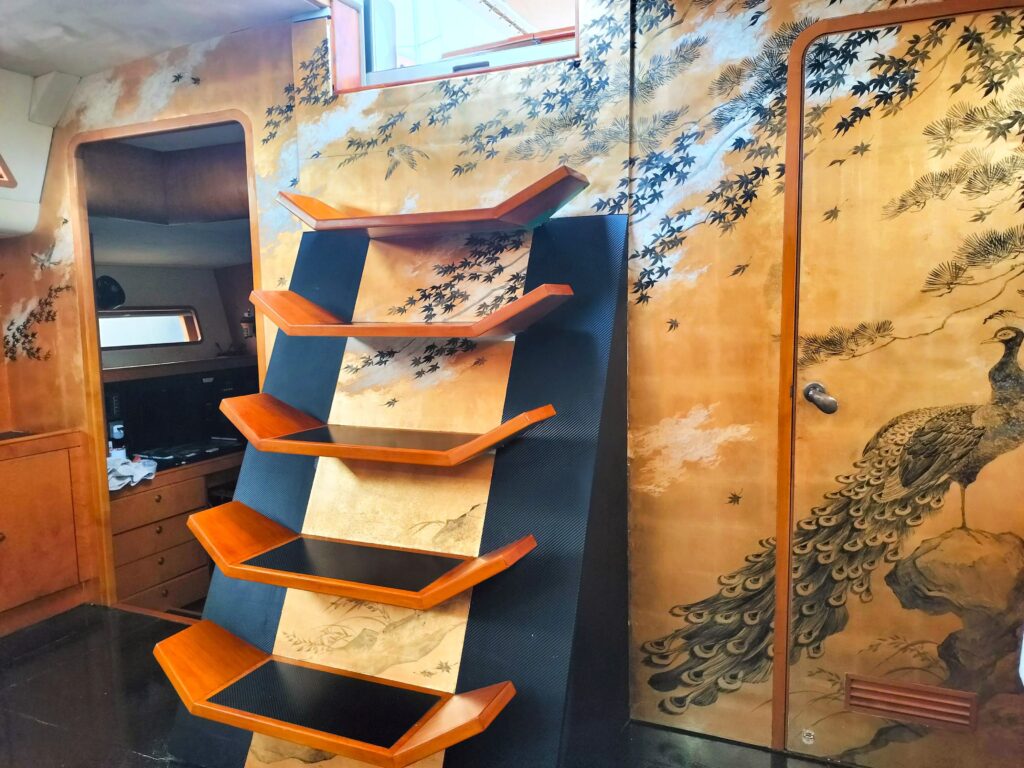
As part of this initiative, Shoko Okumura was commissioned to create a permanent site-specific mural inside the yacht. Rather than producing a work intended for display in a gallery, she conceived a painting that would become part of the vessel itself—an artwork designed to be experienced over time by those living on board, continually transformed by the changing light, the movement of the sea and the rhythm of the journey. Inspired by her ongoing series Empathy Towards Things, the mural extends her long-standing exploration of nature, impermanence and the quiet dialogue between people and their environment.
What attracted you to the idea of creating a permanent work inside a sailing vessel?
What attracted me most was the idea that the artwork could continue to travel, always on a voyage. The sailing vessel will move through different places across the Mediterranean, and the owner also envisions it occasionally becoming a kind of floating art gallery. I feel very honoured to be part of such a meaningful project that creates a unique space for art and artists.
Did you immediately know what kind of atmosphere you wanted to create?
I prepared a final image for the project before I started working, but working aboard the yacht, I experienced a unique sense of inspiration. I could always feel the motion of the water and the sea breeze. That was really nice to experience. So I made the composition feel more windy, because I wanted to express the feeling I had while working on board the yacht Kyalami.
What were the main challenges you faced while carrying out this project?
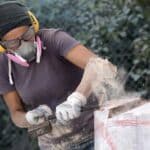
One of the main challenges was the physical aspect of the work. Painting and applying gold leaf across such a large wall, including the areas between the stairs and the upper and lower sections, was quite demanding. I also had to be extremely careful not to damage or accidentally paint any other part of the yacht. Because of the large scale of the artwork, it was also important to constantly step back and view it from a distance, so I could see the composition as a whole and maintain the right balance.
Unlike a painting in a gallery, this mural will become part of people’s daily lives aboard the yacht. How do you hope they will experience it over time?
Working on the yacht throughout the day, from morning to evening, I noticed how much the artwork changes depending on the light, the weather, and the time of day. Especially at sunset, the gold leaf becomes warmer and catches the light in a very beautiful, shimmering way. I hope that the people living with the artwork will enjoy these subtle changes over time, and that it will somehow reflect the atmosphere around them — the movement of the water, the light, and the sea breeze.
This mural naturally recalls your series Empathy Towards Things. How does it extend that body of work?
Empathy Towards Things is rooted in the Japanese sensibility of mono no aware—a tender awareness of the impermanence of all things and the quiet emotion that arises from it. In the context of Kyalami’s ocean conservation journey and the vision of the One Ocean Foundation, this idea finds a natural resonance. The sea itself embodies constant transformation: tides shift, light changes, and ecosystems exist in a fragile equilibrium.
Through gold leaf, layered surfaces, and reflections recalling light on water, this mural extends the series into a dialogue with the ocean. For me, perceiving fragility also awakens a sense of care and responsibility. In this way, empathy towards things can become empathy towards the living world—and what is most fragile is often what most deeply calls for protection.
This project brought together artists, scientists and environmental researchers. What did you take away from those conversations?
What stayed with me most was the sense of how deeply interconnected everything is. The conversations made me reflect on how even small changes can affect an entire ecosystem. It reinforced something central to my work: the importance of observing nature carefully and developing a deeper empathy towards the world around us.
Has this experience changed the way you think about your own responsibility as an artist?
Yes. It made me more aware that, as an artist, my role is not necessarily to provide answers, but to invite people to pause, observe, and feel a deeper connection with nature. Through my Tree Portrait series, I also contribute to tree-planting initiatives. For me, creating a greater sense of awareness and finding tangible ways to give something back to nature are both part of an artist’s responsibility.