Contemporary Stone Sculptures for Sale
Stone Sculpture and the Enduring Art of Carving
Stone sculpture is among the oldest artistic practices known to humanity. Long before the development of modern materials and technologies, sculptors were shaping stone to create objects, monuments and works of art capable of enduring for centuries. While contemporary sculpture today embraces an extraordinary diversity of media, stone remains one of the most demanding and rewarding materials available to artists.
Unlike modelling materials, which can be added to, removed or endlessly reworked, stone carving is a process of subtraction. Each gesture leaves a permanent mark. The sculptor must work with the material rather than against it, learning to understand its structure, density, grain and natural characteristics. Technical mastery is therefore inseparable from artistic expression. The form of a stone sculpture emerges through a dialogue between the artist’s intention and the possibilities offered by the stone itself.
This intimate relationship with the material remains central to the practice of many contemporary sculptors. Far from being a relic of the past, stone carving continues to evolve through artists who combine traditional skills with contemporary sensibilities. Their work demonstrates that innovation does not necessarily require new materials; it can also emerge from a deeper understanding of ancient ones.
One of the defining characteristics of contemporary stone sculpture is the remarkable diversity of stones available to artists. Each type possesses its own visual qualities, physical properties and expressive potential. Portland stone, for example, offers a fine and relatively uniform surface that lends itself to subtle modelling. Red sandstone reveals a rich texture and warm colouration. Alabaster is prized for its translucency and ability to capture light, while Kilkenny limestone and Irish blue limestone offer darker tonalities and distinctive mineral structures. Other artists work with marble, soapstone, Peruvian travertine, Petit Granit or Istrian stone, each material bringing its own character to the finished work.
Choosing a stone is never a neutral decision. Experienced sculptors develop a detailed knowledge of their materials and often select a particular stone because its qualities resonate with a specific artistic intention. Hardness, texture, colour, resistance and even geological history can all influence the creative process. In many cases, the final sculpture could not exist in quite the same way if it were carved from a different stone.
For collectors, this close relationship between material and maker is one of the enduring attractions of stone sculpture. Beyond its visual presence, each work embodies a deep understanding of the medium and a direct engagement with the physical act of carving. Contemporary stone sculptures remind us that technical skill, material knowledge and artistic vision remain inseparable components of sculptural creation today.
Contemporary Artists Exploring the Language of Stone
The contemporary stone sculptures presented by Artistics demonstrate that stone is far from being a single, uniform material. Each variety of stone possesses its own structure, colour, texture and working properties, inviting artists to develop highly individual approaches. While some sculptors seek precision and geometry, others favour organic forms or explore the tension between contrasting materials. What unites them is a deep understanding of stone and a commitment to the enduring art of carving.
Peter Brooke-Ball: Balancing Strength and Flexibility
For British sculptor Peter Brooke-Ball, stone serves as the foundation for a subtle exploration of balance, tension and movement. Working with a wide range of materials—including Portland stone, red sandstone, alabaster, Kilkenny limestone, marble and soapstone—he approaches each stone according to its specific qualities rather than imposing a fixed visual language upon it.
One of the distinctive features of Brooke-Ball’s work is his ability to bring seemingly opposing materials into dialogue. Carefully carved stone elements are often combined with rope, leather or other flexible materials whose softness contrasts with the apparent permanence of stone. These interventions introduce a sense of tension and equilibrium, as if the sculpture were held together by forces that remain invisible to the viewer.
Although abstract in appearance, Brooke-Ball’s sculptures rarely feel static. Curved forms, suspended elements and carefully balanced compositions create subtle relationships between mass and space, weight and lightness, rigidity and flexibility. His work reminds us that stone sculpture is not simply about carving solid matter, but also about shaping the dynamic relationships that emerge between materials.
Richard Perry: Geometry, Rhythm and Material Presence
Richard Perry’s sculptures reveal another facet of contemporary stone carving. Working with materials including Irish blue limestone, Portland stone, alabaster, red sandstone, marble and Istrian stone, he has developed a visual language that moves freely between geometric abstraction and more organic forms.
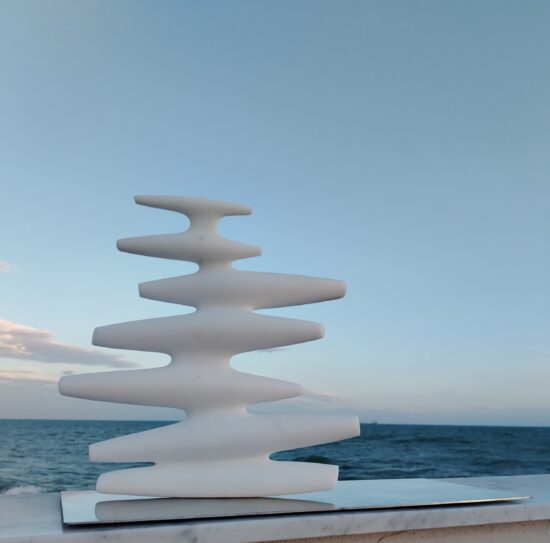
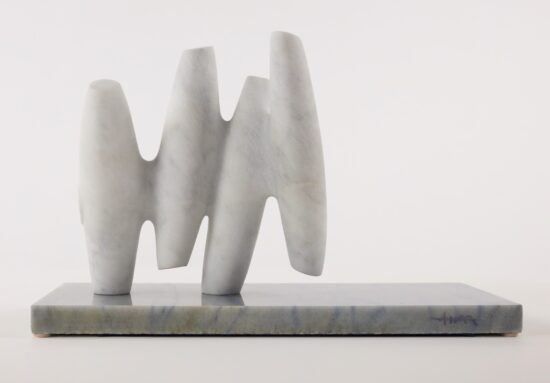
Many of Perry’s works are characterised by a strong sense of structure and proportion. Geometric volumes, intersecting planes and carefully articulated surfaces create compositions that evoke architecture, landscape or geological formations without directly representing any of them. Rather than depicting the natural world, the sculptures often seem to distil its underlying rhythms and patterns.
At the same time, Perry remains highly attentive to the inherent qualities of each stone. Variations in colour, texture and density are not concealed but incorporated into the composition itself. Smoothly carved surfaces interact with natural markings and subtle irregularities, allowing the material to retain its presence within the finished work.
Whether working with darker limestones, translucent alabaster or richly textured sandstone, Perry demonstrates how different stones can generate entirely different sculptural possibilities. His work illustrates the richness of stone as a medium and the continuing relevance of carving as a contemporary artistic practice.
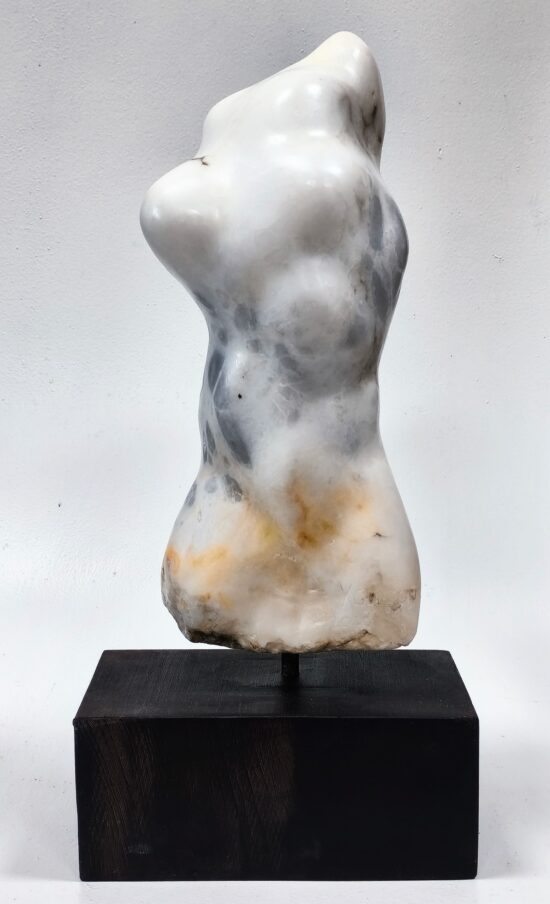
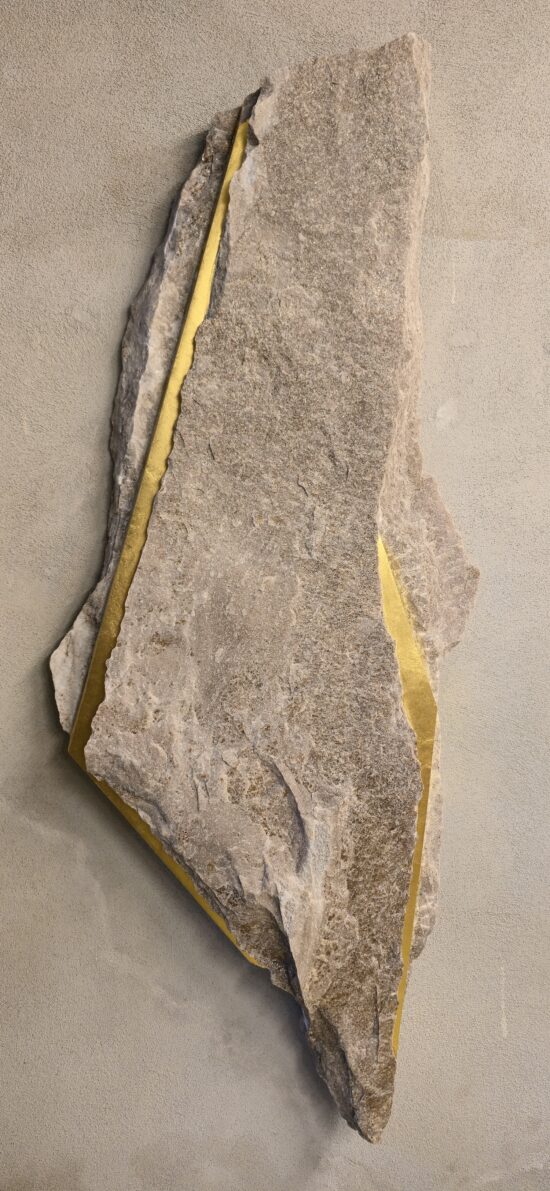
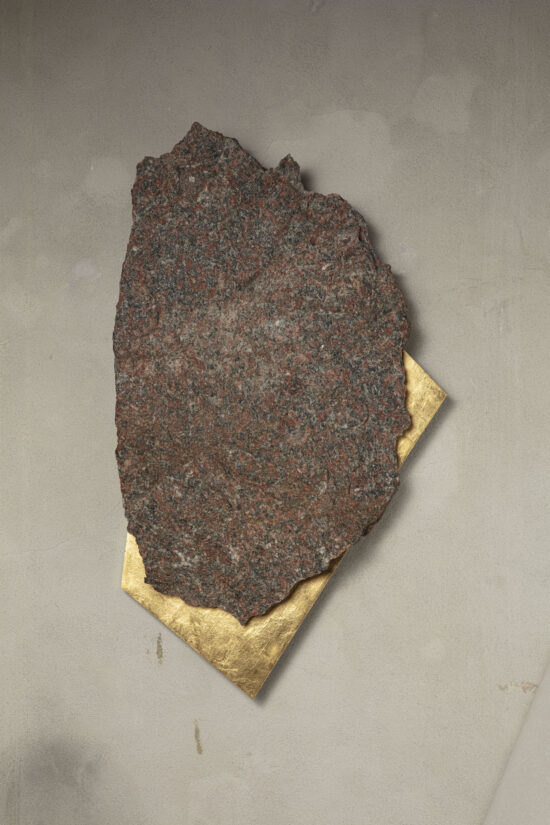
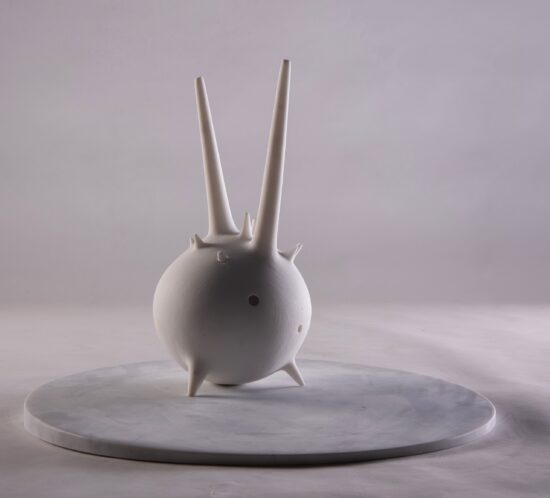
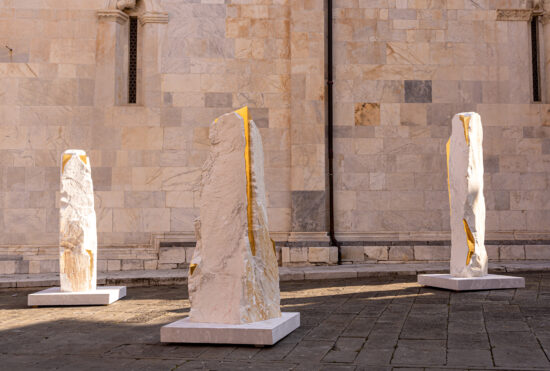
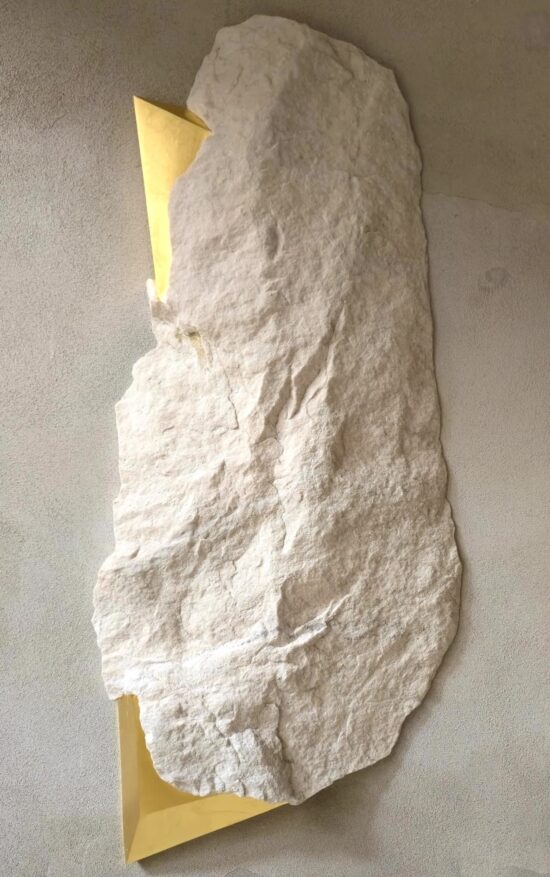
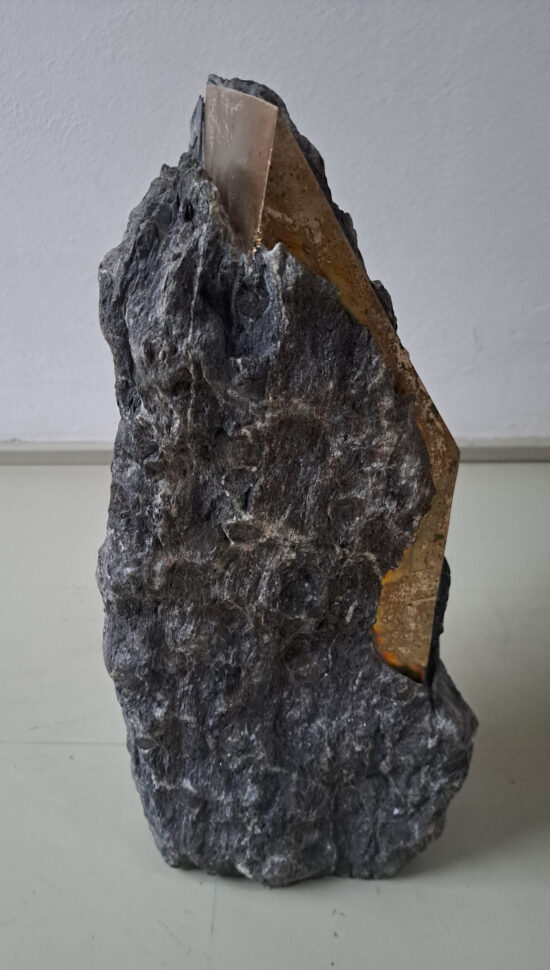
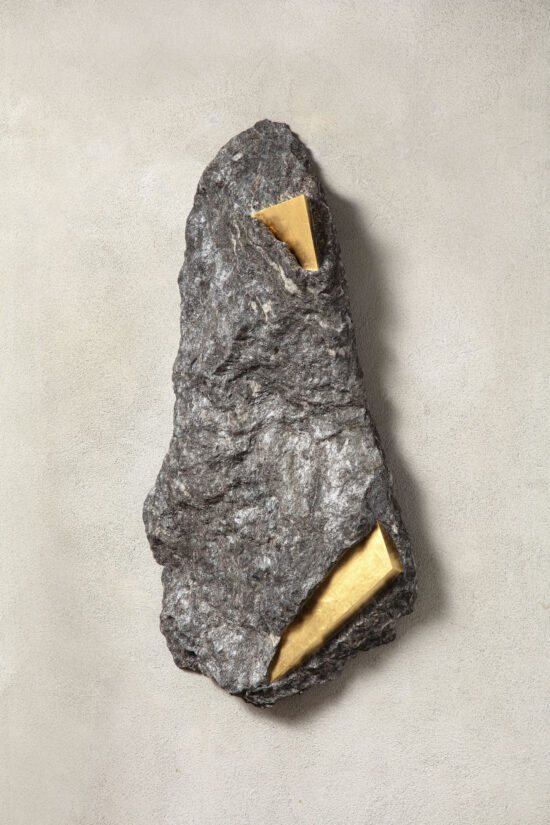
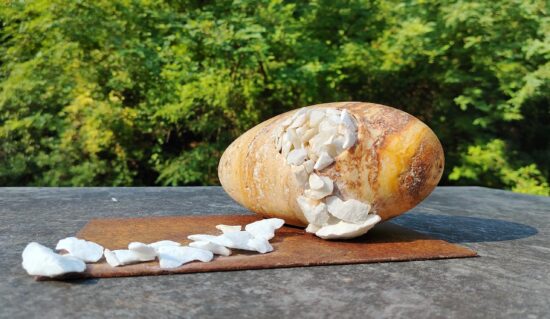
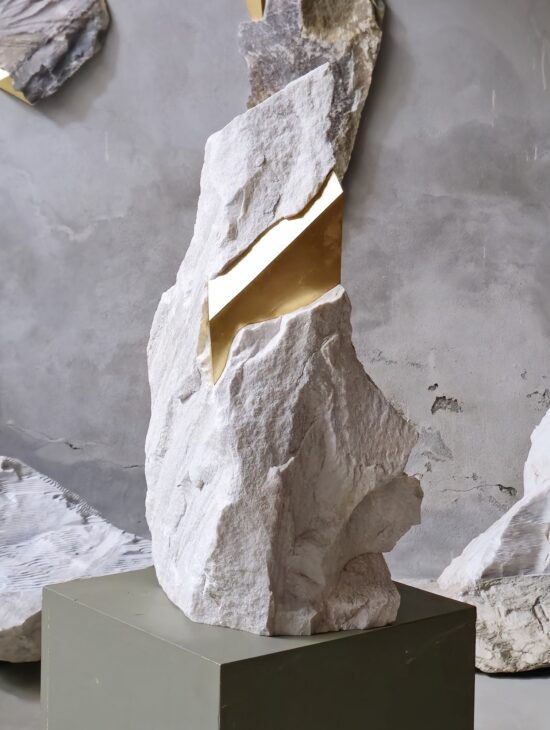
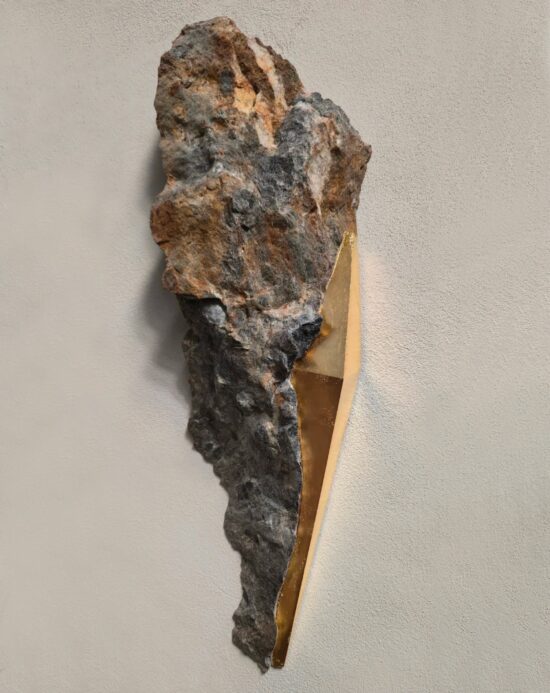
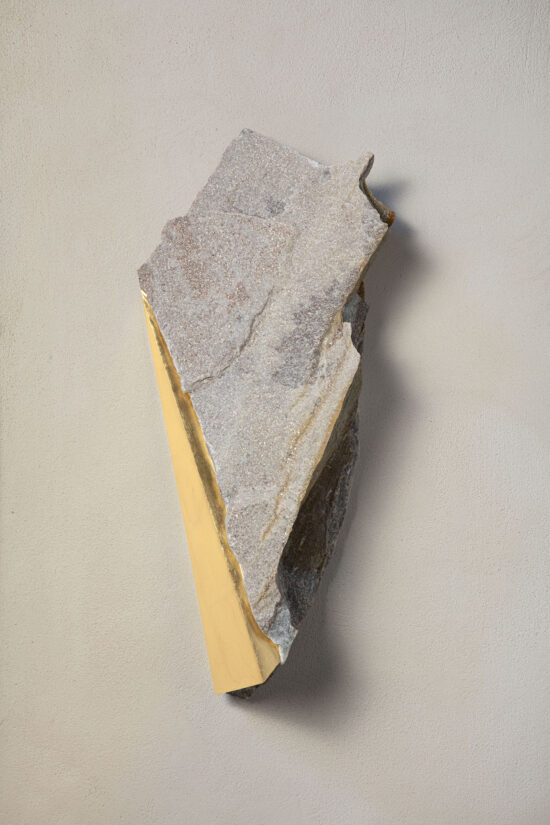
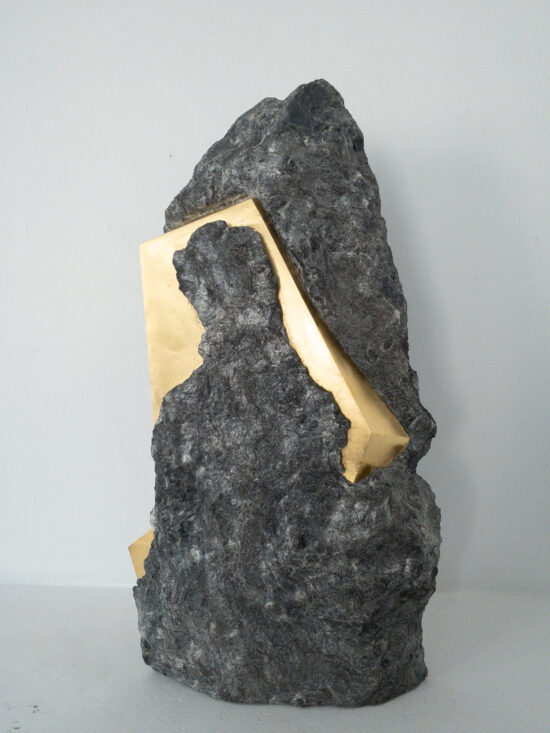
Alongside Peter Brooke-Ball and Richard Perry, Artistics also represents sculptors such as Yann Guillon, Francesca Bernardini and Mattia Bosco, whose work further demonstrates the diversity of contemporary stone sculpture. From the organic abstractions of Guillon to Bernardini’s nature-inspired forms and Bosco’s dialogue with raw stone, these artists continue to expand the creative possibilities of one of humanity’s oldest artistic materials.
Understanding Stone Sculpture: Materials, Surfaces and Settings
One of the enduring qualities of stone sculpture is its ability to engage both the eye and the surrounding space. Beyond form alone, the viewer’s experience is shaped by the texture of the material, the way it interacts with light and the environment in which it is displayed.
Surface, Texture and Light
No two stones respond to light in exactly the same way. A polished alabaster surface may appear luminous from within, while limestone absorbs light more softly and reveals subtle variations in texture. Red sandstone can emphasise the grain of the material, whereas marble often highlights delicate veining and tonal contrasts.
Artists also make deliberate choices about how much of the stone’s natural character they wish to preserve. Some sculptures feature highly refined surfaces that showcase technical precision and accentuate the material’s visual depth. Others retain traces of carving tools, rough textures or naturally fractured areas, creating a more direct connection to the stone’s geological origins.
Stone Sculpture and the Experience of Space
Unlike a painting, a sculpture exists within the same physical space as the viewer. Its presence is experienced through movement, changing perspectives and the relationship it establishes with its surroundings. A stone sculpture may appear compact and self-contained from one angle, then reveal unexpected openings, tensions or volumes from another.
Many contemporary stone sculptures encourage slow observation, inviting viewers to walk around them and discover how forms, shadows and proportions evolve from different viewpoints. The weight and material presence of stone often contribute to a strong sense of stability, making sculpture a natural focal point within an interior or architectural setting.
From Interior Spaces to Outdoor Settings
Stone has long been associated with architecture, public spaces and landscapes. Its durability makes it particularly well suited to outdoor display, where changing weather and natural light become part of the viewing experience. Certain stones develop subtle surface variations over time, further strengthening their connection to the environment.
At the same time, contemporary stone sculptures can bring a powerful sense of presence to interior spaces. Whether displayed in a private home, a corporate collection or a public building, stone introduces a material depth that differs from metal, wood or synthetic materials. Its tactile qualities and visual richness often create a lasting dialogue between the artwork and its surroundings.
A Material Shaped by Time
Every stone sculpture carries within it a history that predates the artist’s intervention. Formed over millions of years through geological processes, stone embodies a timescale that far exceeds human experience. Veins, mineral inclusions, fossil traces and variations in colour all testify to this long natural history.
For many collectors, this dimension forms part of the appeal of stone sculpture. The artwork exists at the intersection of two temporalities: the geological time recorded within the material itself and the creative gesture of the sculptor who transforms it.
Discover Original Stone Sculptures with Artistics
Sculpture has always been at the heart of Artistics. Over the years, the gallery has developed particular expertise in contemporary sculpture, building relationships with artists who continue to explore the rich possibilities of stone carving through a wide variety of materials, techniques and artistic approaches.
Whether you are an experienced collector, an interior designer, a curator or simply discovering contemporary sculpture for the first time, our team is available to help you navigate this diverse field and identify works that correspond to your interests and aspirations.
The breadth of our sculptural programme allows us to respond to a wide range of requests. From intimate indoor sculptures to large-scale outdoor works, from abstract compositions to nature-inspired forms, Artistics represents artists working across a remarkable spectrum of materials, including limestone, sandstone, alabaster, soapstone, marble, travertine and many other stones.
The works presented on our website represent only a selection of the sculptures available through the gallery. Many artists have additional works in their studios, while other projects may be available on request. If you are looking for a specific type of stone sculpture, a particular scale, a work suitable for an outdoor setting or an artist whose practice aligns with your collecting interests, we encourage you to contact us.
Artistics also has extensive experience in the transport and installation of sculptures, including international shipments and large-scale works. We work closely with specialised partners to ensure that each artwork reaches its destination under the best possible conditions, wherever in the world it may be going.
Collectors visiting Paris may also arrange an appointment with our team to discuss their projects and discover a selection of artworks in person. For any enquiry, you can reach us through the live chat available on this website, by email at contact@artistics.com or by telephone at +33 (0)1 40 28 92 28.
Whether you are searching for an original stone sculpture, exploring a new area of collecting or developing a more ambitious sculptural project, Artistics is committed to providing expert guidance at every stage of the process.
Filters


- We provide the highest level of customer service
Read our customers' reviews


- We provide the highest level of customer service
Read our customers' reviews