Contemporary Marble Sculptures for Sale
Why Marble Remains a Singular Medium in Contemporary Sculpture
Few materials carry as much artistic history as marble. From Antiquity to the Renaissance and beyond, generations of sculptors have turned to this metamorphic stone for its unique combination of strength, subtlety and luminosity. Some of the most celebrated sculptures ever created were carved from marble, helping establish its enduring association with artistic ambition and technical mastery.
Yet marble’s continued relevance in contemporary sculpture cannot be explained by tradition alone. For today’s artists, marble remains a living material rather than a historical reference. Its appeal lies as much in its physical properties as in its cultural legacy. Dense yet workable, capable of capturing both crisp geometric lines and delicate organic forms, marble offers a remarkable range of expressive possibilities. Its surface interacts with light in ways that few other stones can, revealing depth, texture and nuance that evolve according to the viewer’s perspective.
Working with marble also requires a particular relationship to time. Unlike modelling materials that allow for endless revisions, carving is a process of gradual subtraction. Every gesture matters. The artist must negotiate with the material’s structure, veining and natural characteristics, embracing both its possibilities and its constraints. This dialogue between intention and resistance contributes to the distinctive presence of marble sculpture.
Contemporary artists approach marble from highly diverse perspectives. Some engage with the material’s long history, revisiting classical forms through a contemporary lens. Others seek precisely the opposite, using marble to challenge expectations through abstraction, experimentation or unexpected combinations of materials. In both cases, marble remains a fertile ground for innovation and artistic exploration.
Contemporary Artists Reinventing Marble Sculpture
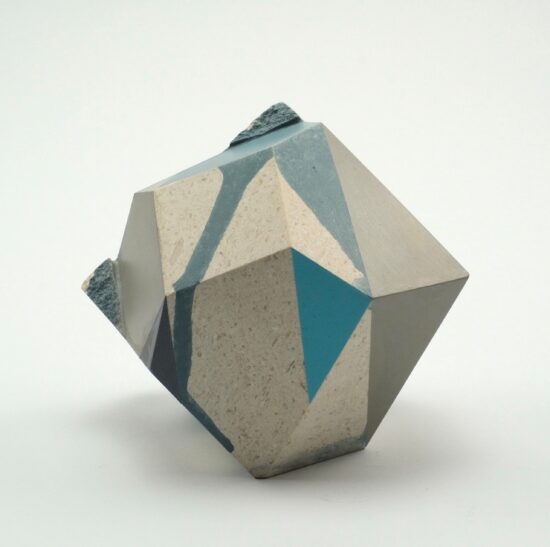
The contemporary marble sculptures presented by Artistics illustrate the diversity of approaches that coexist today, from a dialogue with the raw geological substance of stone to forms inspired by the hidden structures of the natural world.
Mattia Bosco: Revealing the Form Within the Stone
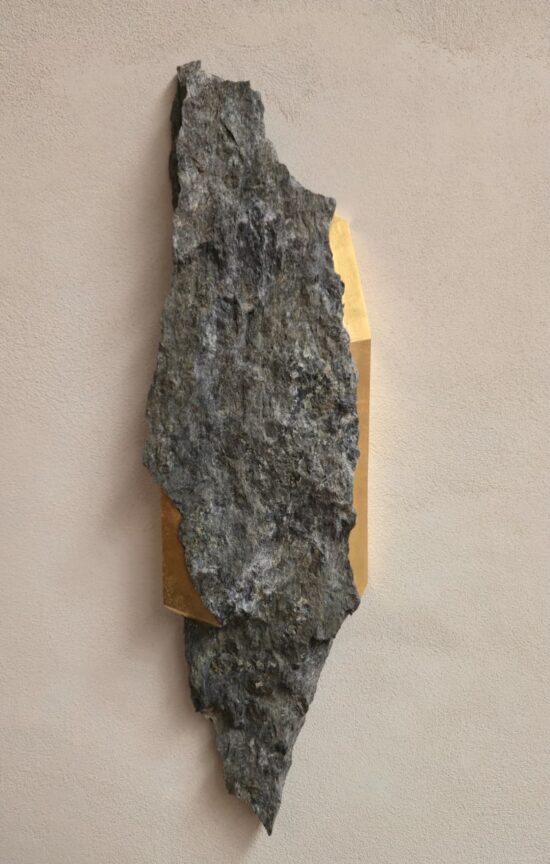
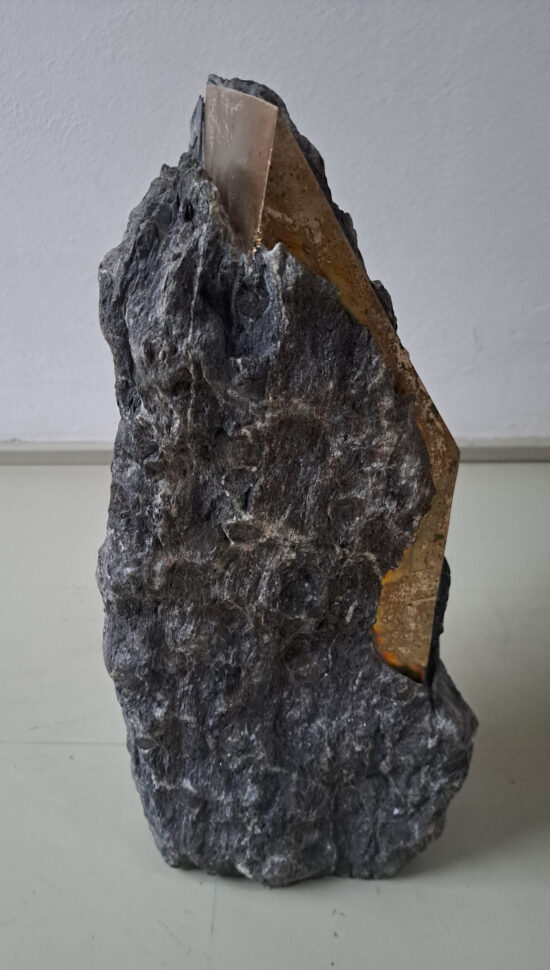
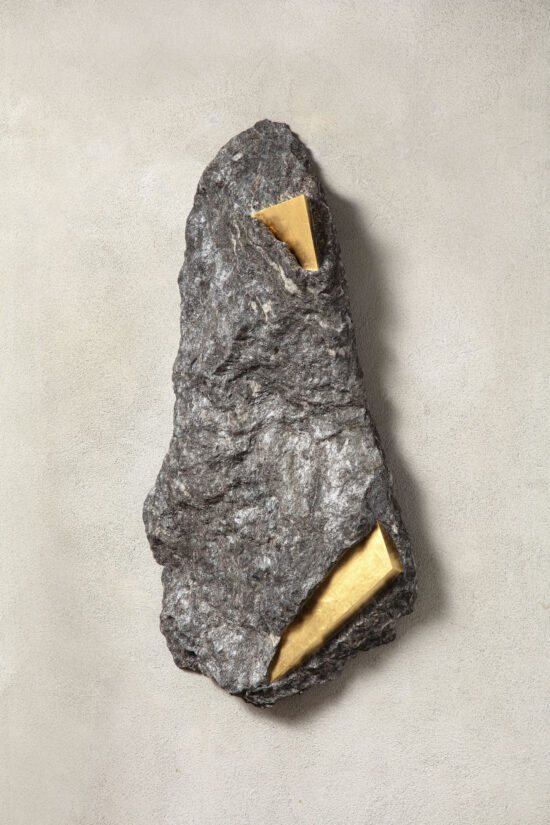
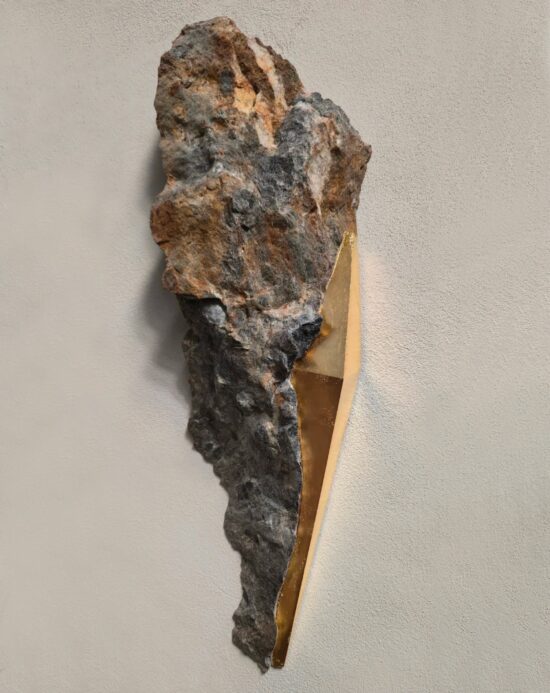
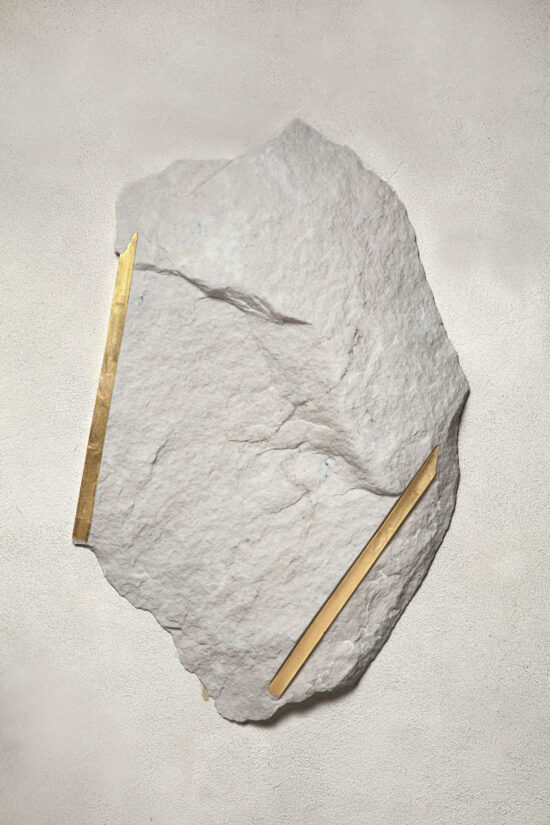
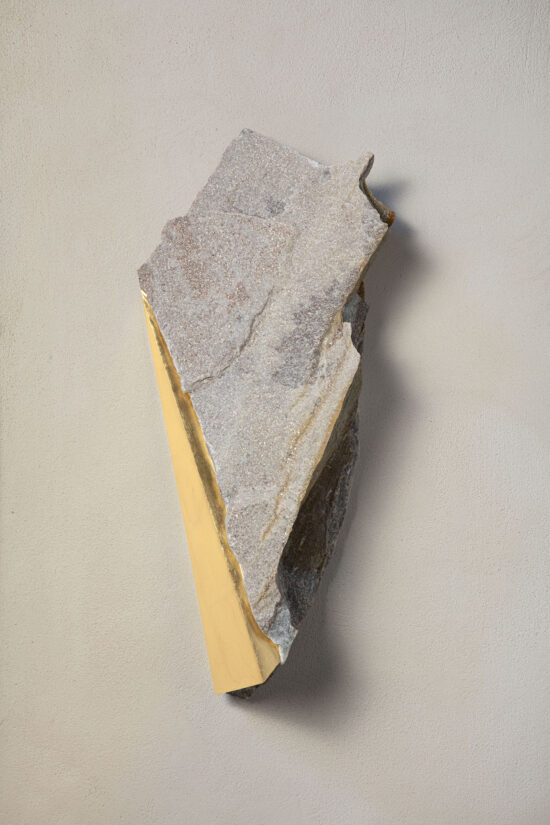
For Italian sculptor Mattia Bosco, marble is not a material to be dominated but a partner in the creative process. Working exclusively with stone, he personally selects blocks of marble that have been discarded by commercial quarries, often because their shape, fractures or irregularities make them unsuitable for industrial use. What others consider waste becomes the starting point of his artistic research.
Bosco describes his work as an attempt to reveal a form that already exists within the stone. Rather than imposing a preconceived image onto the material, he approaches sculpture as a process of listening and collaboration. The resulting works preserve a visible dialogue between natural formation and human intervention.
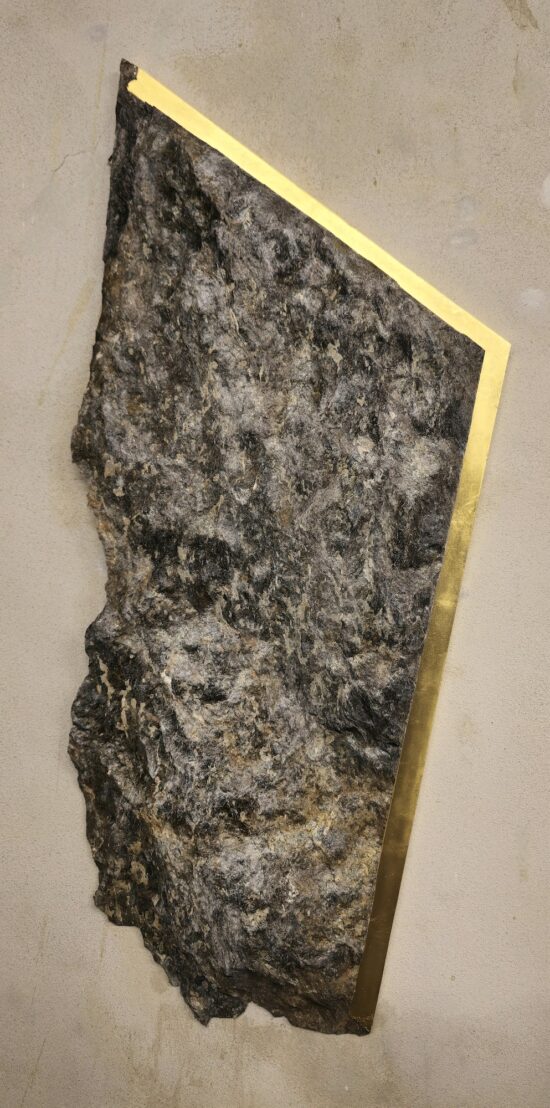
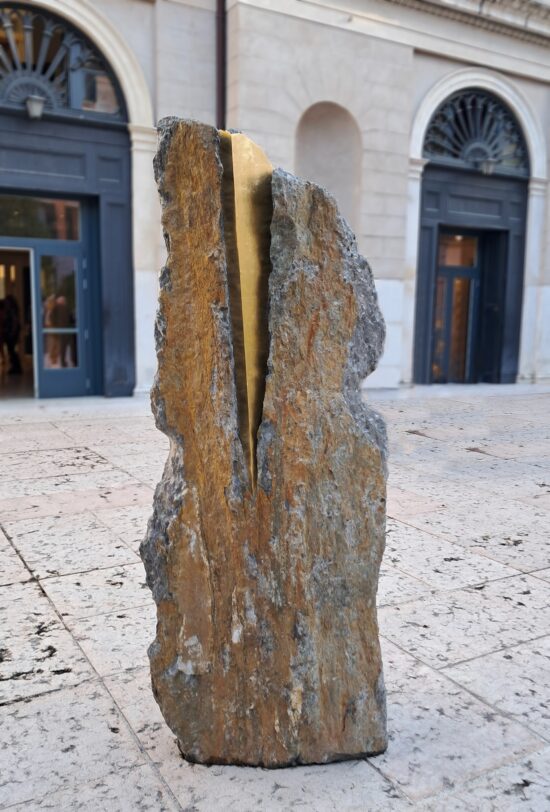
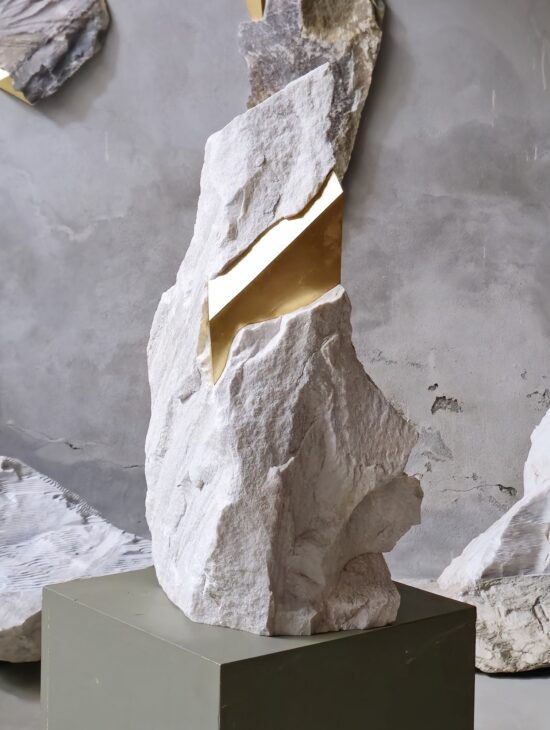
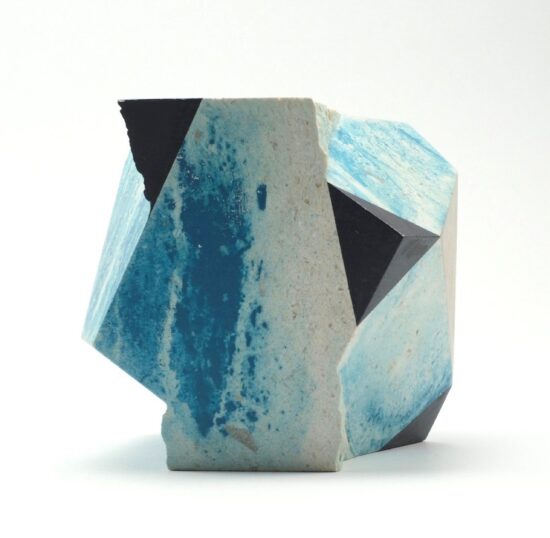
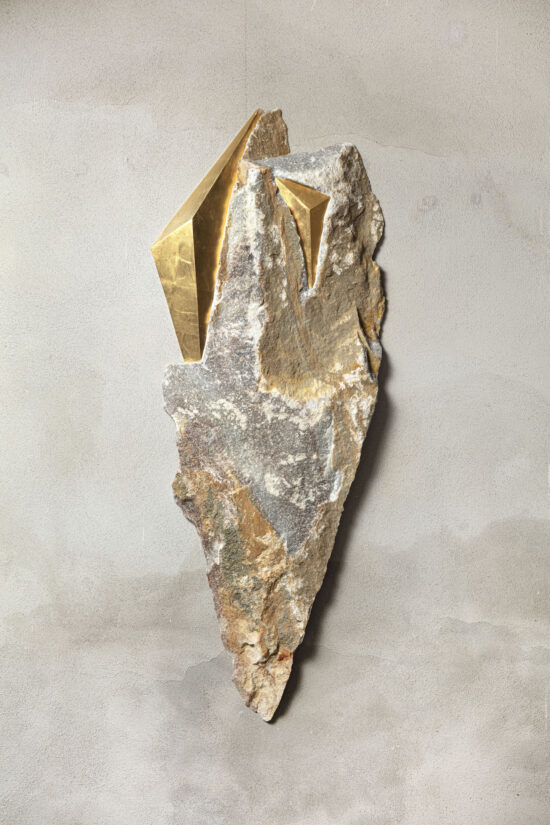
Raw fragments of marble retain their original geological character, with irregular surfaces, veins and fractures shaped over millions of years. Against these rugged forms, Bosco introduces precise geometric interventions: polished planes, sharp angles and carefully proportioned cuts that appear to emerge from within the stone itself. In several works, delicate applications of gold leaf further accentuate these geometric elements, creating subtle points of light that guide the viewer’s eye through the composition. The contrast between the rough mineral surface and the refined geometry gives these sculptures a striking visual presence while preserving a sense of balance and restraint.
Bosco’s work invites us to see marble not as an inert material but as an active participant in the creative act. His sculptures remind us that stone possesses its own history, structure and identity, and that the artist’s role may sometimes consist in revealing rather than transforming.
Francesca Bernardini: Marble as a Vessel for Organic Forms
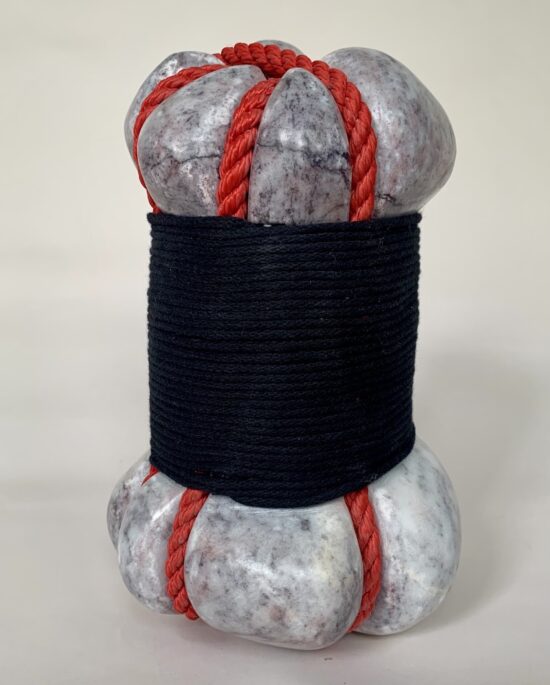
If Mattia Bosco’s sculptures emphasize the geological origins of marble, Francesca Bernardini explores its capacity to embody life, growth and transformation. The Italian sculptor has developed a highly distinctive visual language based on smooth, rounded forms inspired by close observation of the natural microcosm.
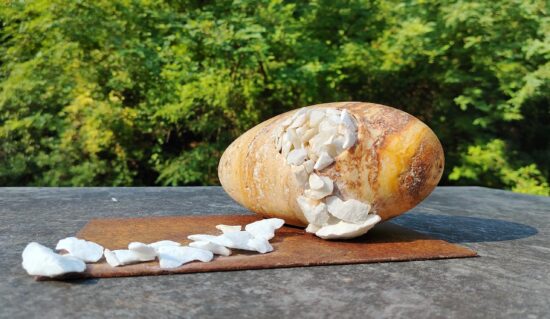
Many of her works evoke nests, cocoons, seeds or protective shells. In the series Nests, Cocoons, Chrysalis, marble becomes a metaphor for metamorphosis and potentiality. The sculptures often appear closed or partially enclosed, suggesting an inner life that remains hidden from view. Cavities, openings and subtle tensions in the form create a sense of anticipation, as if something were about to emerge from within the stone. The contrast between the apparent permanence of marble and the idea of transformation gives these works much of their emotional power.
Other sculptures draw inspiration from marine environments and underwater ecosystems. In the From the Abyss series, Bernardini develops more fluid and dynamic forms whose curves suggest currents, biological growth or deep-sea organisms. The polished surfaces capture and reflect light, reinforcing the impression of movement despite the weight and solidity of the material.
Throughout her practice, Bernardini demonstrates a remarkable ability to reconcile opposites: softness and strength, protection and vulnerability, stillness and growth. Her sculptures retain the technical precision required by marble carving while conveying an almost organic sense of expansion and transformation.
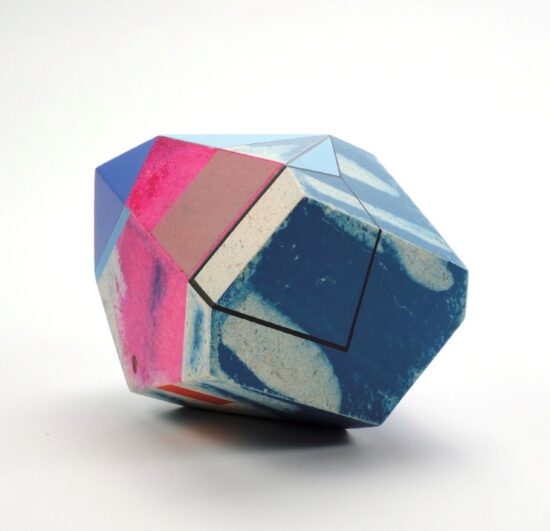
Alongside Mattia Bosco and Francesca Bernardini, Artistics also represents contemporary sculptors who regularly incorporate marble into a broader exploration of materials and forms. British artists Richard Perry and Peter Brooke-Ball, for example, create sculptures in which marble coexists with other stones, metals or contrasting materials, further illustrating the richness and versatility of contemporary marble sculpture today.
How to Choose a Contemporary Marble Sculpture
Choosing a contemporary marble sculpture is not simply a question of size, style or placement. It is an encounter with a material that carries both a geological history and an artistic tradition spanning millennia. The most rewarding choice is often the one that reflects a personal affinity with a particular artistic vision and way of engaging with the stone itself.
Figurative or Abstract?
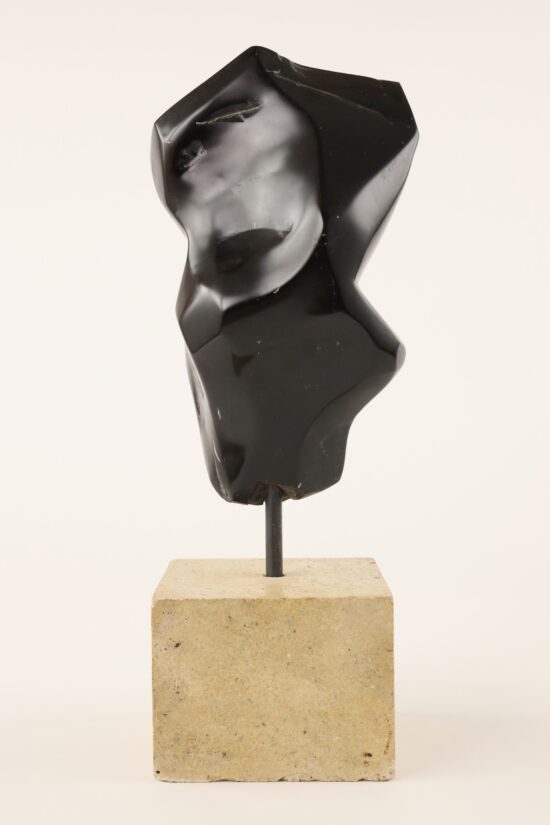
For centuries, marble was closely associated with the representation of the human figure. While many contemporary artists continue to explore figurative sculpture, others have embraced abstraction as a way of revealing the material’s intrinsic qualities. Abstract marble sculptures invite viewers to focus on volume, balance, texture and light, while figurative works often establish a more immediate emotional or narrative connection. Neither approach is inherently more contemporary than the other; each offers a different way of experiencing sculpture and inhabiting space.
Material, Surface and Presence
One of the most fascinating aspects of marble sculpture lies in the diversity of the material itself. Far from being limited to the white marble commonly associated with classical statuary, marble exists in a remarkable range of colours, textures and geological formations. The artist’s choice of stone therefore becomes an integral part of the work.
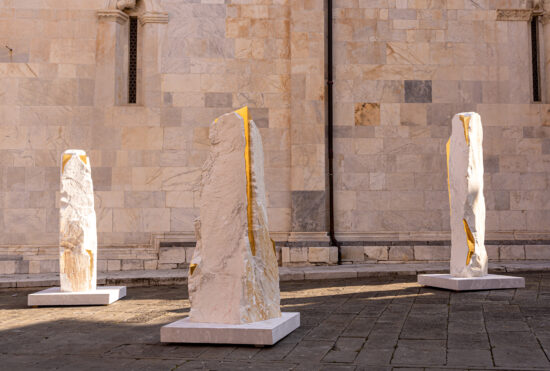
This diversity was at the heart of Mattia Bosco’s Korai project, presented at the Temple of Venus and Rome within the Colosseum Archaeological Park. The installation brought together sculptures carved from different varieties of marble historically used throughout the Roman Empire, including Carrara, Portoro, Cipollino and Paonazzo marbles. Each sculpture shared the same essential form while revealing a distinct visual identity through the colour, veining and structure of the stone itself. The project highlighted how marble is never a neutral support: each variety carries its own history, character and expressive potential.
Surface treatment also plays a crucial role in the perception of a sculpture. A highly polished finish reflects light and emphasises the depth of the stone, while rough or partially carved surfaces preserve a stronger connection to the material’s geological origins. Some artists, such as Mattia Bosco, deliberately juxtapose these different states within a single work, creating a dialogue between natural formation and artistic intervention.
A Sculpture to Live With Over Time
Unlike a painting, a sculpture reveals itself gradually. Its appearance changes according to the light, the viewpoint and the relationship it establishes with its surroundings. A marble sculpture may reveal new details over months or years, inviting repeated observation rather than immediate consumption.
Whether one is drawn to the geological dialogue of Mattia Bosco, the organic forms of Francesca Bernardini or the work of other contemporary sculptors, choosing a marble sculpture ultimately means selecting an artwork whose presence continues to unfold over time.
Discover Original Marble Sculptures with Artistics
Acquiring a contemporary marble sculpture is often more than a purchase: it is the beginning of a lasting relationship with an artwork and the artist who created it. Whether you are an experienced collector or considering your first sculpture, Artistics is committed to making this experience as informed, enjoyable and seamless as possible.
Our team of contemporary art specialists is available to help you navigate our selection of original marble sculptures and identify works that resonate with your interests, aesthetic preferences and collecting goals. Whatever the value of your acquisition, we are happy to provide personalised advice and guide you through every step of the process, from your initial enquiry to the delivery of the artwork.
If you would like to discuss a sculpture, request additional information or receive tailored recommendations, you can contact us directly via the live chat available on our website, by phone at +33 (0) 1 40 28 92 28, or by email at contact@artistics.com.
Buying art online should be a confident experience. If, for any reason, the artwork you receive does not meet your expectations, you may return it free of charge, wherever you are in the world.
To discover new artists, recent acquisitions and upcoming exhibitions, we also invite you to subscribe to our twice-monthly newsletter and follow Artistics on social media through the links available in the website footer.
Filters


- We provide the highest level of customer service
Read our customers' reviews


- We provide the highest level of customer service
Read our customers' reviews