Garden Sculpture
Why Have Sculptures Been Part of Gardens for Centuries?
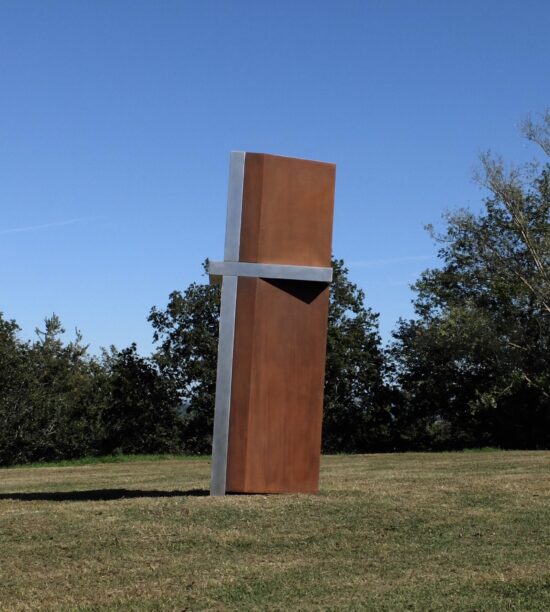
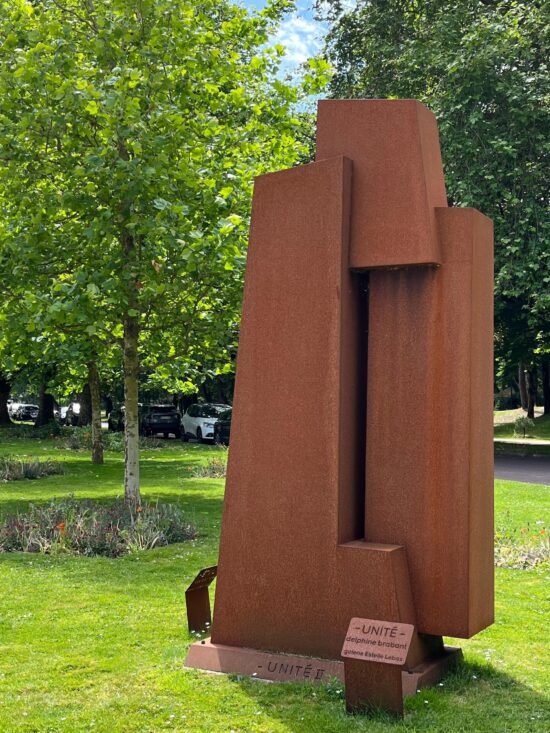
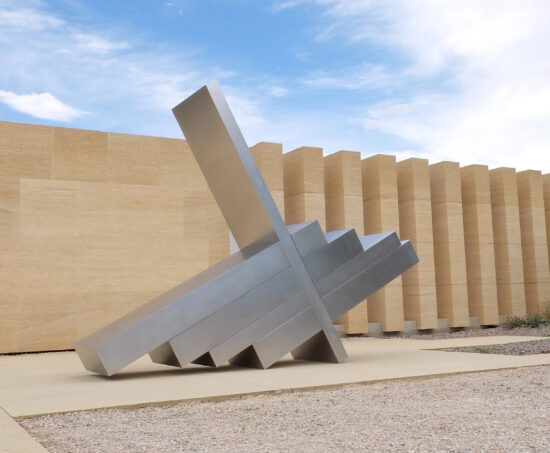
For centuries, garden sculpture has played a central role in the design of some of the world’s most celebrated landscapes. Far more than decoration, sculpture has long been used to shape the experience of a garden, creating focal points, guiding the visitor’s gaze and establishing a dialogue between art, architecture and nature. Today, contemporary garden sculpture continues this tradition, offering new ways to experience both the artwork and the landscape that surrounds it.
From the Renaissance gardens of Florence, where sculptures punctuate the winding paths of the Boboli Gardens, to the great European gardens that followed, works of art gradually became an integral part of landscape design. Rather than competing with nature, they were carefully positioned to reveal a perspective, frame a view, mark the end of an avenue or create a moment of surprise along a walk. More recently, places such as Inhotim in Brazil have reimagined this relationship on a contemporary scale, demonstrating that garden sculpture remains a vibrant and evolving form of artistic expression. In these remarkable settings, each work is conceived not as an isolated object but as part of a broader dialogue with its environment.
These historic examples illustrate the many roles a garden sculpture can fulfill. A sculpture may introduce rhythm into a landscape, establish a visual anchor within a planting scheme or encourage quiet contemplation. It can celebrate the changing seasons, interact with shifting light or invite visitors to discover familiar surroundings from a fresh perspective. Whether integrated into a formal composition or a more natural garden setting, sculpture enriches the experience of moving through the landscape.
Bringing a garden sculpture into a private landscape continues this long tradition. Whether installed within a structured garden inspired by landscape architecture or a more informal natural setting, a carefully chosen contemporary garden sculpture becomes part of the life of the garden itself, evolving alongside trees, flowers and changing weather. Rather than standing apart from its surroundings, it develops a lasting dialogue with nature, revealing new qualities as the garden changes over time.
How Sculpture and the Garden Shape One Another
Unlike an interior space, a garden is never still. Light changes throughout the day, seasons transform colors and textures, plants grow, bloom and fade, while wind and weather continually reshape the atmosphere of the landscape. A garden sculpture is therefore experienced within a living environment that is constantly evolving, making every encounter with the artwork unique. Rather than remaining fixed, the meaning and presence of a sculpture are subtly renewed by the changing character of the garden itself.
This is what makes garden sculpture so distinctive. In a gallery, an artwork is presented in a carefully controlled setting. In a garden, however, it enters into dialogue with a landscape that has its own rhythms and cycles. Some sculptures provide a sense of permanence, offering a stable presence amid the continual transformation of nature. Others embrace movement, reflection or changing light, allowing the landscape itself to become an active participant in the work. In every case, the garden becomes more than a backdrop: it shapes the way the sculpture is perceived, just as the sculpture transforms the way the garden is experienced.
A thoughtfully positioned garden sculpture can also influence the way visitors move through a landscape. It may draw the eye along an avenue, punctuate an open lawn, frame a distant view or reveal itself unexpectedly at the turn of a path. Sometimes it becomes a sculptural focal point that structures the entire composition. Elsewhere, it may remain partially hidden, rewarding closer observation and encouraging a slower, more attentive walk through the garden. These choices are not governed by rules but by the unique relationship between an artwork and its setting.
For this reason, contemporary garden sculpture is not simply an outdoor artwork placed in a natural environment. It is often conceived as a site-specific encounter between art and landscape, where each enriches the other over time. As vegetation matures, light evolves and seasons succeed one another, the sculpture continues to reveal new aspects of both itself and the place it inhabits. This ongoing dialogue is what gives garden sculpture its remarkable ability to make us see a landscape—and the artwork within it—with fresh eyes.
Choosing a Sculpture for Your Garden
There is no single way to introduce a garden sculpture into a landscape. Every garden has its own character, every place offers its own possibilities and every collector develops a personal relationship with both the setting and the artwork. Rather than following fixed rules, choosing a garden sculpture is often an intuitive process, guided as much by emotion as by practical considerations.
Certain questions can nevertheless help shape the decision. Scale influences how a sculpture relates to surrounding trees, planting and architecture. Placement determines whether the work becomes an immediate focal point or gradually reveals itself along a path. Materials and finishes interact differently with changing light, vegetation and the seasons, while the overall atmosphere of the garden may suggest either harmony or a deliberate contrast. None of these choices is inherently right or wrong. They simply offer different ways of creating a meaningful dialogue between art and nature.
A successful garden sculpture rarely dominates its surroundings. Instead, it becomes part of the life of the landscape, establishing a relationship that evolves over time. A work may appear quietly nestled among planting, stand at the end of a long perspective, accompany the edge of a pond or create an unexpected encounter beneath the canopy of a tree. As the garden matures and the seasons change, both the sculpture and its environment continue to reveal new qualities.
Because every project is unique, selecting a contemporary garden sculpture often benefits from an experienced eye. At Artistics, we regularly advise collectors, architects and landscape designers on the selection and placement of sculptures for private gardens, sculpture gardens and larger landscape projects. This personalized guidance is an integral part of our service and reflects our conviction that the relationship between an artwork and its setting deserves as much attention as the artwork itself.
Whether you are looking for a discreet intervention, a contemplative presence or a monumental focal point, our team is always happy to discuss your project and help you identify the garden sculpture that will feel most at home in your landscape.
Contemporary Garden Sculptures by Artistics
The works presented on this page offer only a glimpse of the contemporary garden sculptures available through Artistics. Many other sculptures in our collection are equally suited to outdoor settings, each establishing its own dialogue with the landscape. Because every garden is unique, we encourage you to contact our team directly to discuss your project. We are always happy to provide personalized recommendations and help you select a garden sculpture that responds to the character of your landscape, your architectural environment and your personal vision.
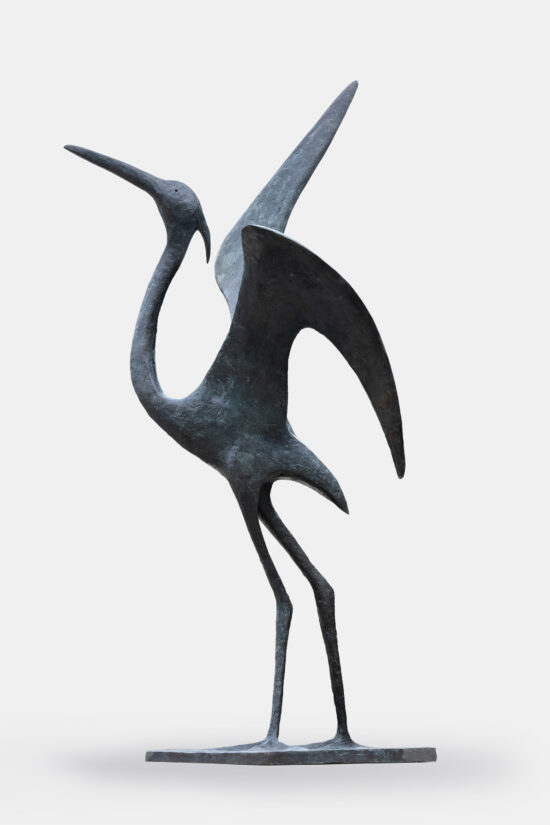
Some collectors seek to introduce a quiet human presence into the landscape. The bronze figures and groups created by Pierre Yermia and Marine de Soos create subtle encounters along a path, within a clearing or among the vegetation. Rather than imposing themselves on the garden, they invite contemplation and encourage visitors to experience the landscape as an inhabited place.
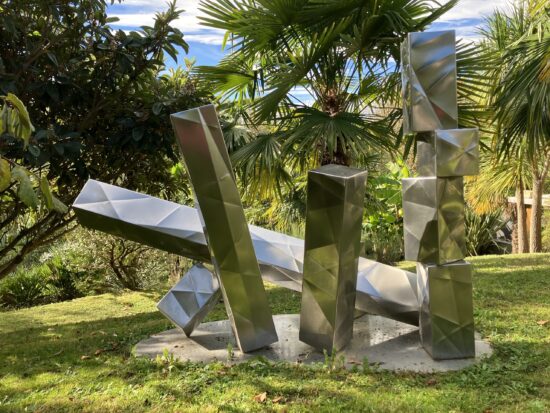
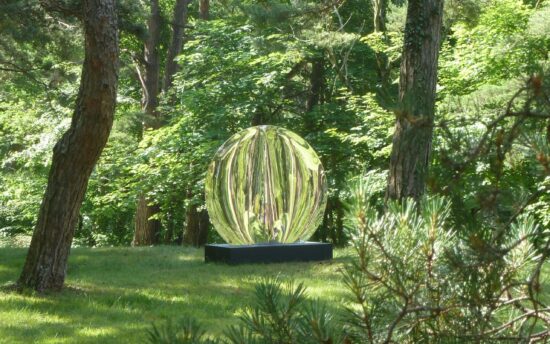
Other works reveal the changing qualities of light. Toshio Iezumi‘s glass sculptures give light an almost tangible materiality, their layered forms evolving throughout the day as sunlight shifts. By contrast, the mirror-polished stainless-steel sculptures of Franck K almost disappear into their surroundings, reflecting and fragmenting vegetation, sky and passing seasons. The garden itself becomes part of the artwork, transformed into an ever-changing visual composition.
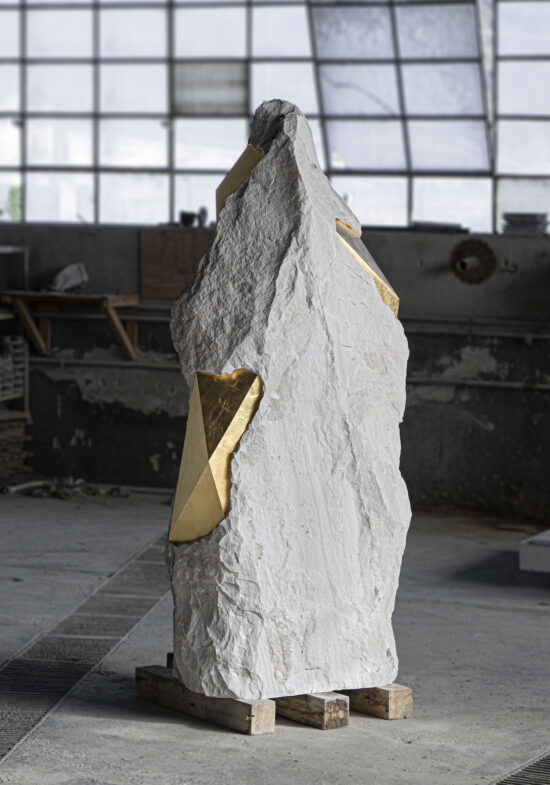
Stone offers yet another dialogue with nature. The marble sculptures of Mattia Bosco, shaped in response to the intrinsic qualities of each block, evoke geological time and the quiet permanence of natural materials. Likewise, the works of Francesca Bernardini, carved from marble, travertine and other stones, establish a close relationship with planting, pathways and the mineral elements of a landscape. Their presence feels both timeless and deeply connected to their environment.
Movement can also become part of the experience of garden sculpture. The suspended sculptures of Peter Brooke-Ball, installed among the branches of a tree, respond gently to the wind. Their slow, continuous motion makes the invisible movement of air perceptible, reminding us that a garden is a living environment in constant transformation.
These artists illustrate just a few of the many ways in which contemporary garden sculpture can enter into dialogue with a landscape. Whether your project calls for a discreet intervention, a reflective artwork, a figurative presence or a monumental focal point, our team is available to help you identify the works best suited to your garden and advise you on their placement and installation.
Every garden sculpture featured on this page is suitable for outdoor installation. If you are also considering sculptures for terraces, courtyards, public spaces or architectural projects, explore our broader collection of Contemporary Outdoor Sculptures.
Filters


- We provide the highest level of customer service
Read our customers' reviews


- We provide the highest level of customer service
Read our customers' reviews