Contemporary Metal Sculptures for Sale
Metal Sculpture: Transforming Industrial Materials into Art
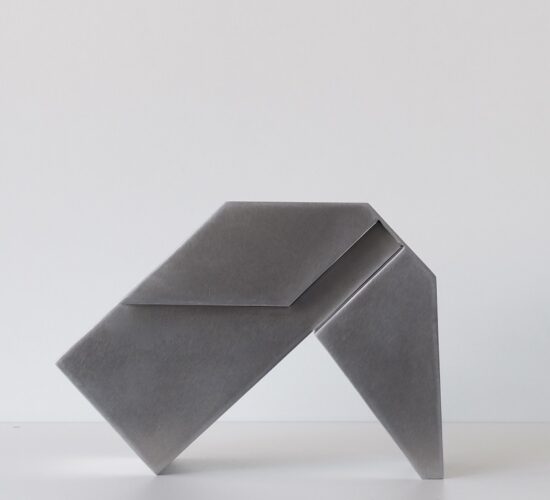
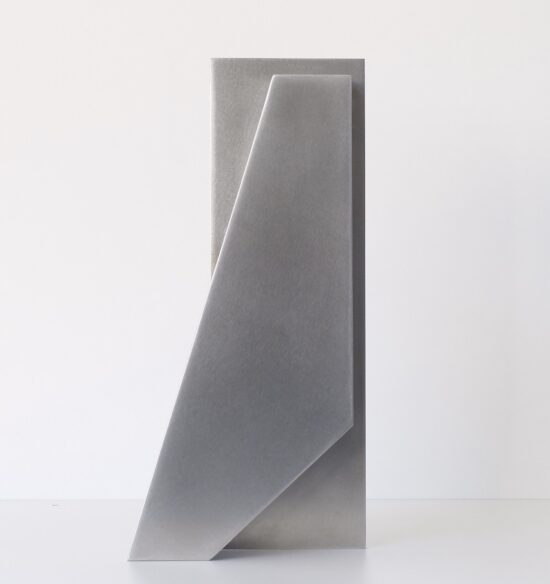
Metal sculpture occupies a distinctive place within contemporary sculpture. Combining strength, durability and remarkable versatility, metal allows artists to create forms that range from the monumental to the delicate, from geometric abstraction to organic representation. Unlike stone, which is carved by subtraction, or wood, which often retains traces of its natural growth, metal can be cut, welded, bent, folded, polished, textured or assembled in countless ways. Its capacity for transformation has made it one of the most dynamic materials in contemporary sculptural practice.
The term metal sculpture encompasses works created from a wide variety of metals, including steel, stainless steel, aluminium, copper, brass, titanium and iron. Each material possesses its own physical and visual characteristics, offering artists a distinct vocabulary of forms, structures and finishes.
While bronze is technically a metal alloy and remains one of the most important materials in the history of sculpture, it occupies a particular place within contemporary sculptural practice. Because of its long-standing tradition and the significant number of bronze works represented by the gallery, Artistics presents bronze sculptures in a dedicated category. This selection therefore focuses on contemporary sculptures created from other metals and metal alloys, allowing visitors to explore artistic approaches that differ from those traditionally associated with bronze sculpture.
What unites these diverse materials is their capacity to be transformed. Metal invites experimentation with structure, balance, surface and scale. It can appear solid and monumental or surprisingly light and fluid. Through welding, assembly, hammering, folding or shaping, artists continuously reinvent the possibilities of metal as a sculptural medium.
For many contemporary sculptors, metal offers a unique way of bringing together artistic vision and technical expertise. Mastery of tools and fabrication techniques remains essential, but so too does an understanding of how each material behaves under transformation. The resulting sculptures reveal an ongoing dialogue between material properties, creative intent and the physical processes through which an artwork comes into being.
Today, contemporary metal sculpture encompasses an extraordinary diversity of practices. Some artists draw inspiration from nature while working with industrial materials. Others explore geometry, movement, reflection or the interaction between sculpture and its environment. Together, they demonstrate that metal remains one of the most inventive and expressive materials available to sculptors today.
Contemporary Artists Exploring the Possibilities of Metal
The contemporary metal sculptures presented by Artistics demonstrate the extraordinary diversity of artistic approaches that metal makes possible. Whether used to evoke organic forms, transform the viewer’s perception of space or explore the expressive potential of surface treatments, metal offers artists a remarkably broad creative vocabulary. The works of Ondřej Oliva, Franck K and Frédérique Domergue illustrate three distinct ways of engaging with this versatile material.
Ondřej Oliva: Nature Reimagined in Metal
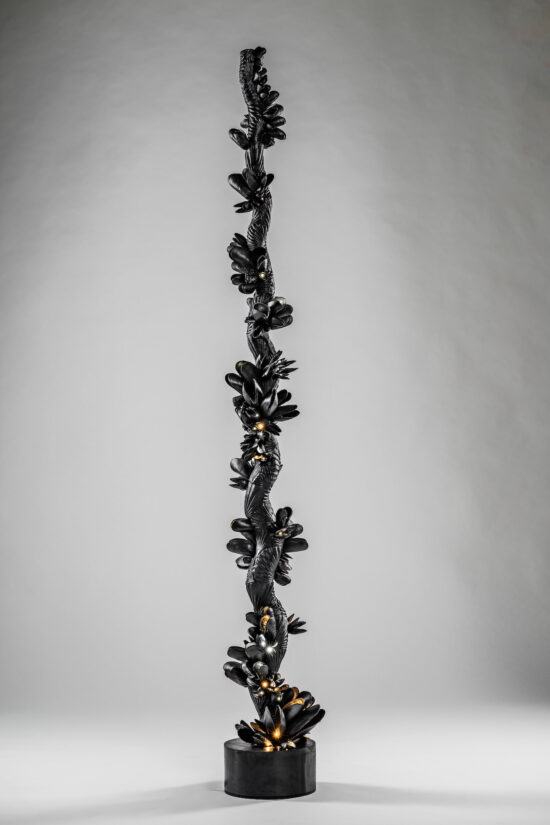
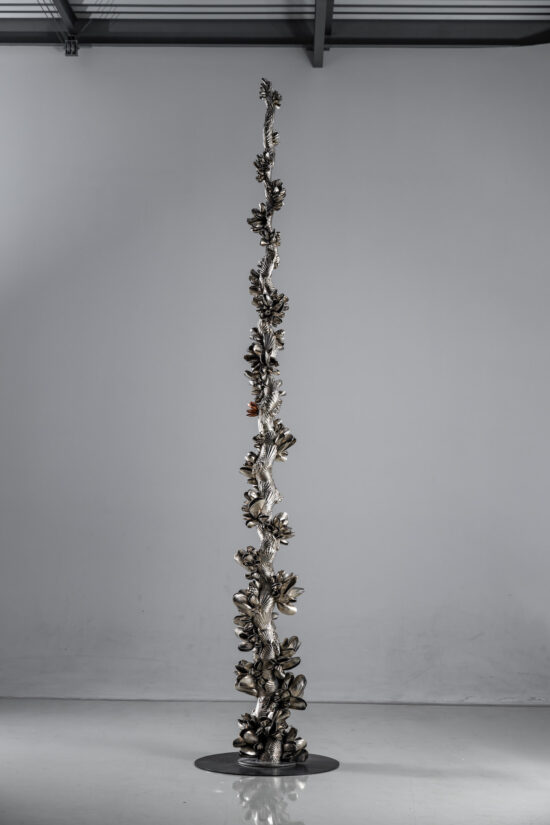
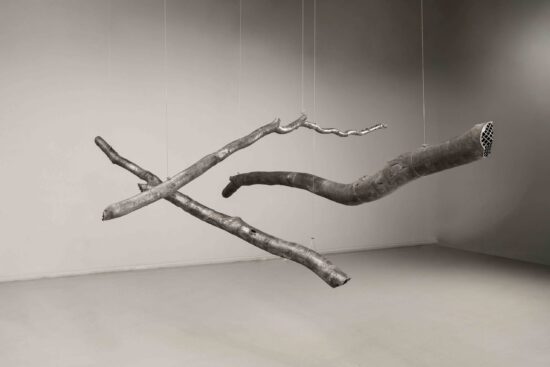
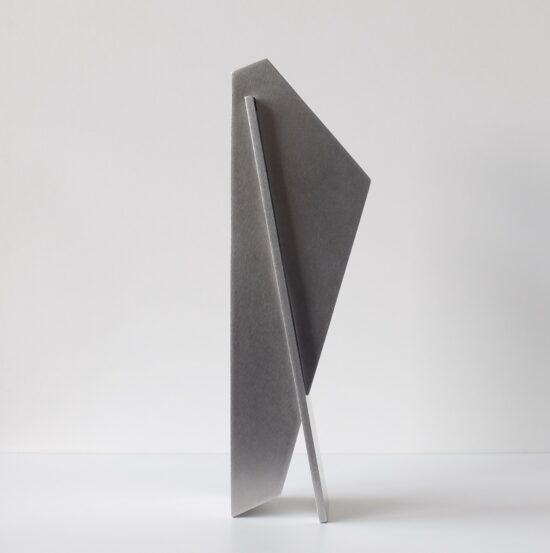
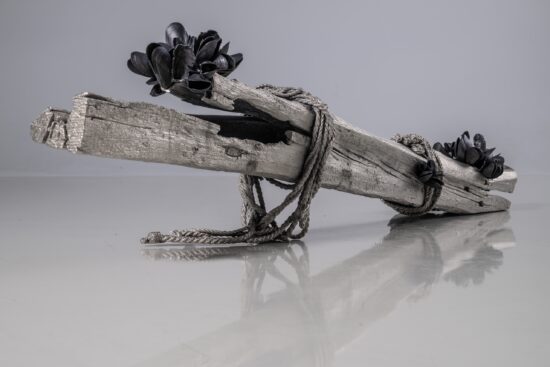
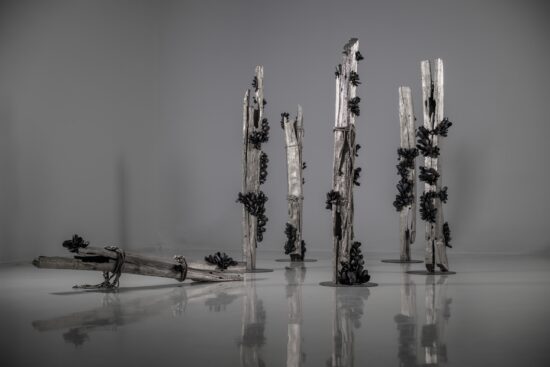
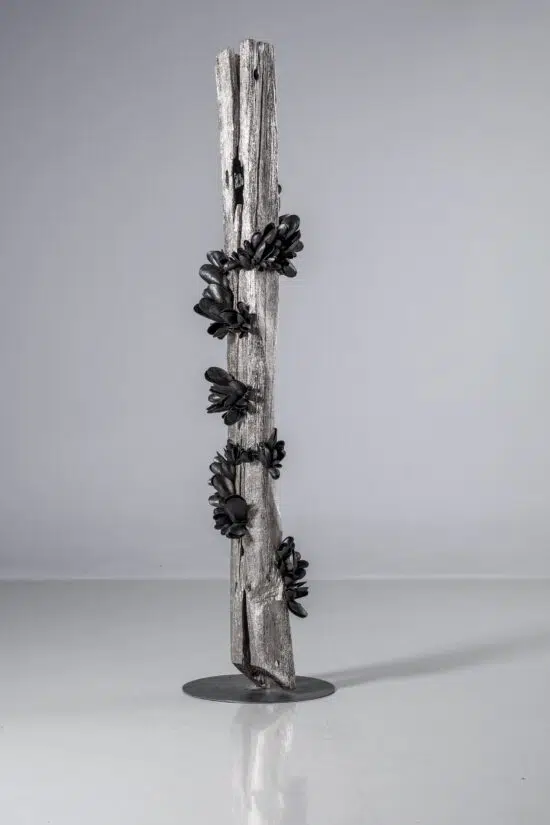
At first glance, the work of Czech sculptor Ondřej Oliva appears full of paradoxes. Drawing inspiration from plants, animals and natural phenomena, he creates sculptures that celebrate the organic world while working primarily with aluminium, one of the most industrial materials available to contemporary artists.
This tension between subject and material lies at the heart of his practice. Whether figurative or abstract, Oliva’s sculptures often evoke forms that seem to grow, unfold or evolve according to their own internal logic. Curved lines, branching structures and fluid silhouettes suggest the rhythms of nature, while the metallic surfaces reveal the artist’s mastery of fabrication techniques.
Rather than opposing nature and industry, Oliva allows them to coexist within the same work. The resulting sculptures invite viewers to reconsider the boundaries between the natural and the manufactured, demonstrating how industrial materials can become vehicles for organic expression. His work highlights one of the most fascinating qualities of contemporary metal sculpture: the ability to transform a material associated with engineering and production into forms that feel alive, dynamic and deeply connected to the natural world.
Franck K: Reflection, Movement and Stainless Steel
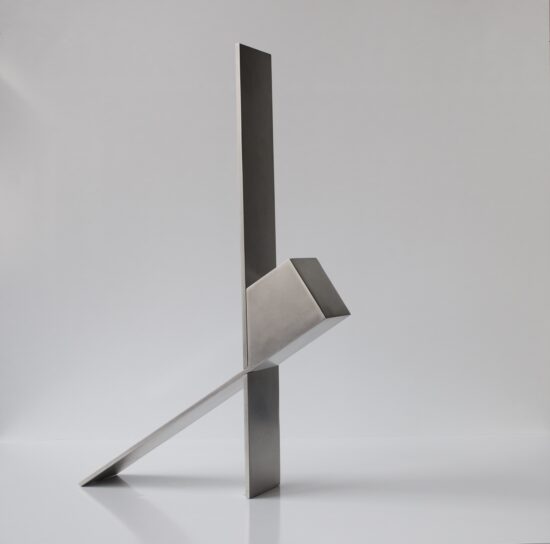
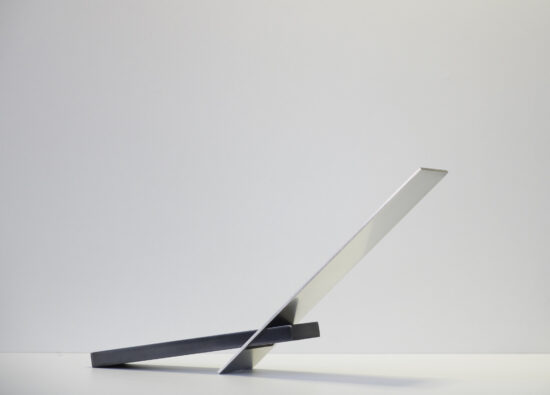
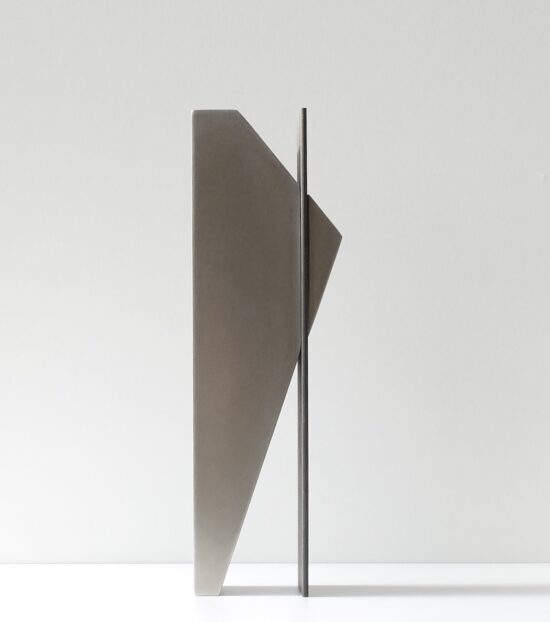
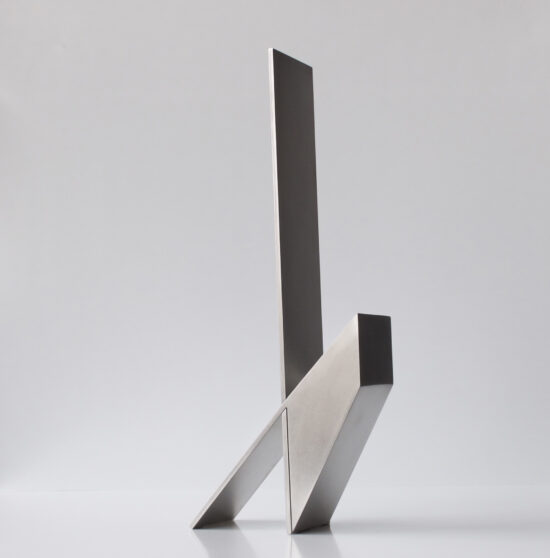
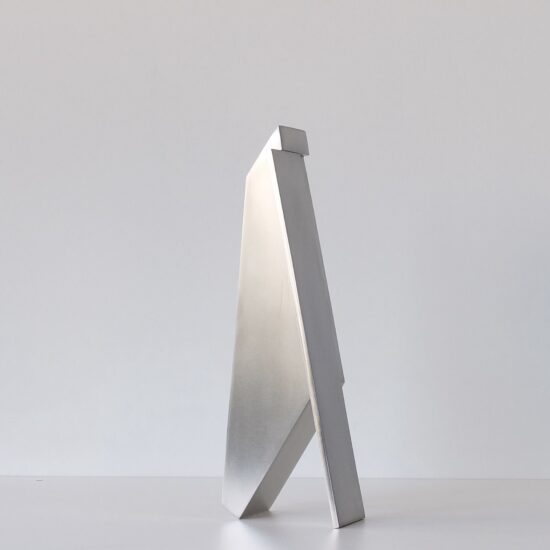
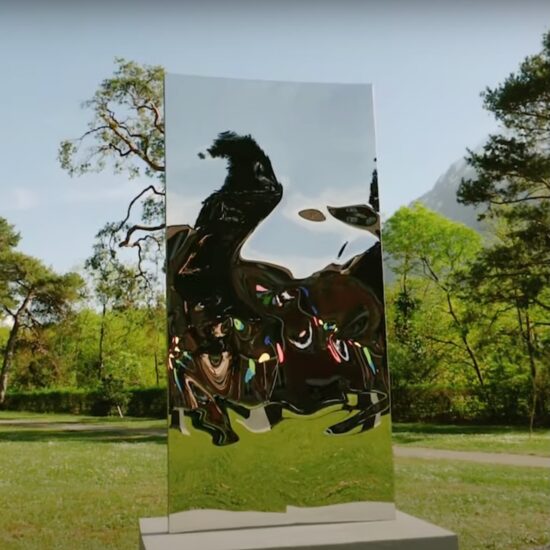
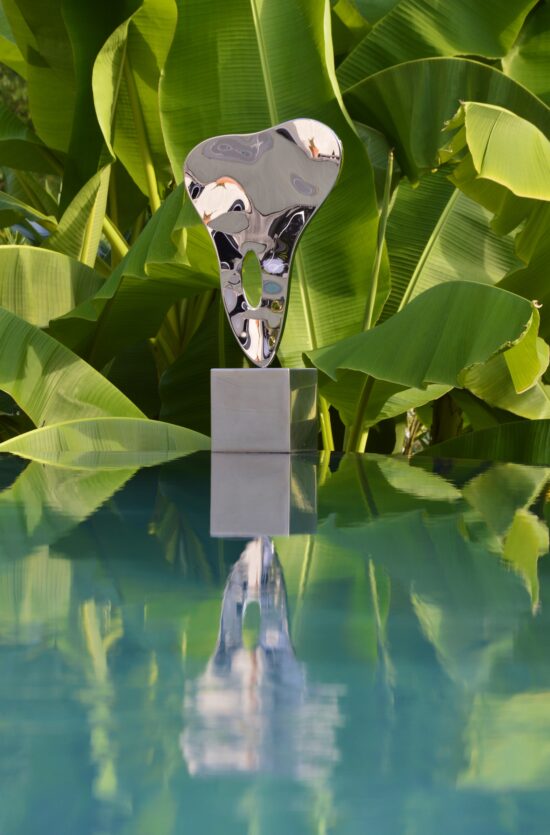
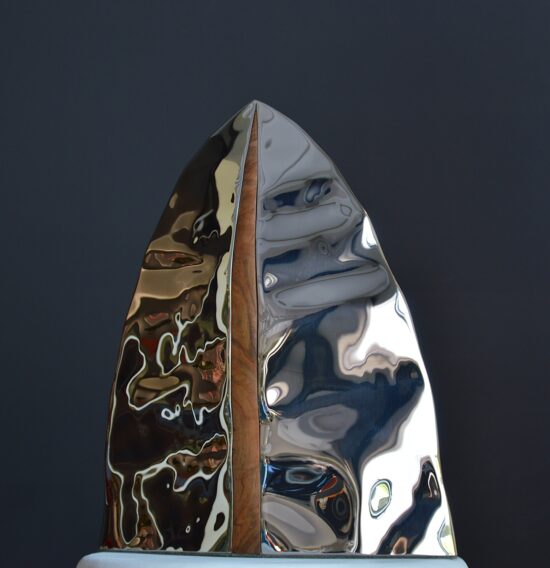
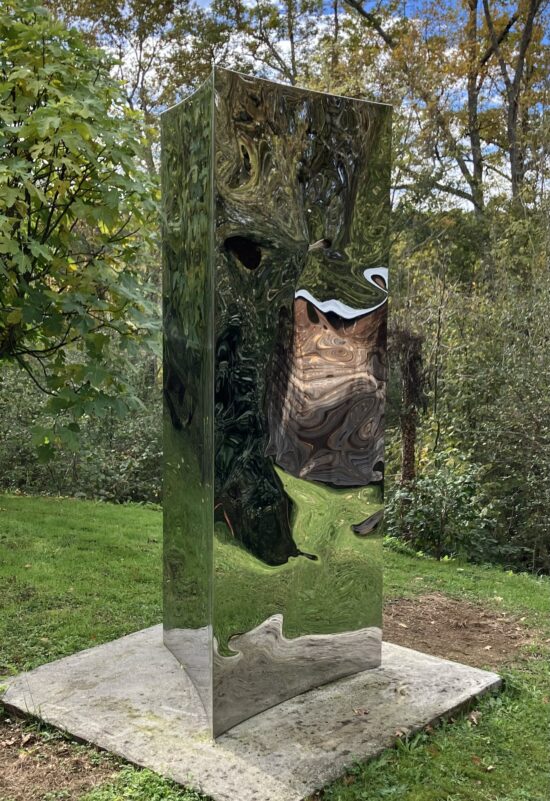
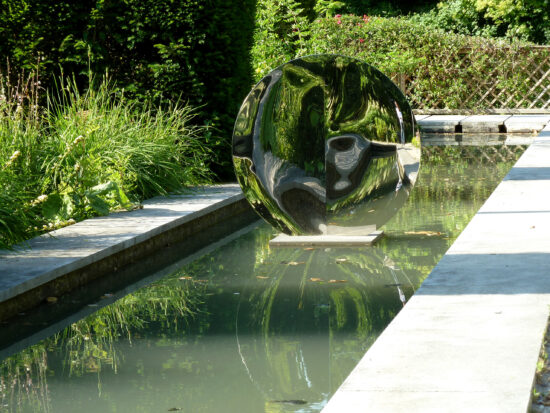
If Ondřej Oliva uses metal to evoke life and growth, French sculptor Franck K explores its ability to transform perception itself. Working exclusively with stainless steel, he creates sculptures whose highly polished mirror surfaces interact constantly with their surroundings.
The artist begins by shaping and deforming sheets of stainless steel, creating volumes that remain deliberately simple and abstract. Yet the true subject of the work is not the metal object alone. Through its reflective surface, the sculpture captures fragments of the surrounding environment, distorting and recomposing them into constantly shifting visual experiences.
In this respect, Franck K’s work establishes a dialogue with the traditions of kinetic and optical art. The sculpture changes according to the viewer’s position, the movement of people nearby and variations in light throughout the day. The polished metal surface almost causes the object itself to disappear, allowing reflections to become the primary visual event. What viewers ultimately perceive is not only the sculpture, but also a transformed image of the world around it.
His work demonstrates how contemporary metal sculpture can extend beyond questions of form and volume to engage directly with perception, movement and space.
Frédérique Domergue: Metal as Surface and Skin
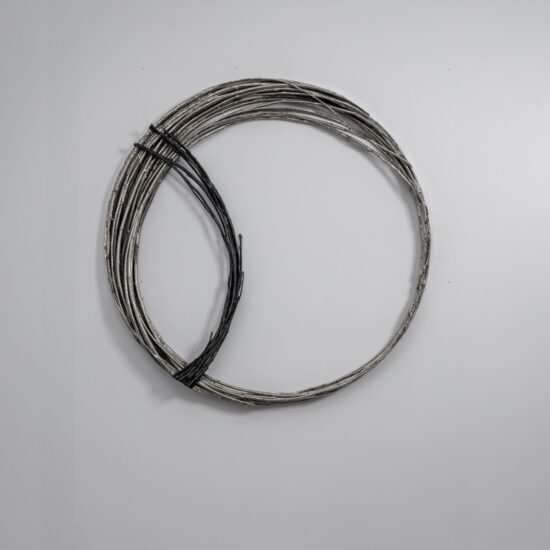
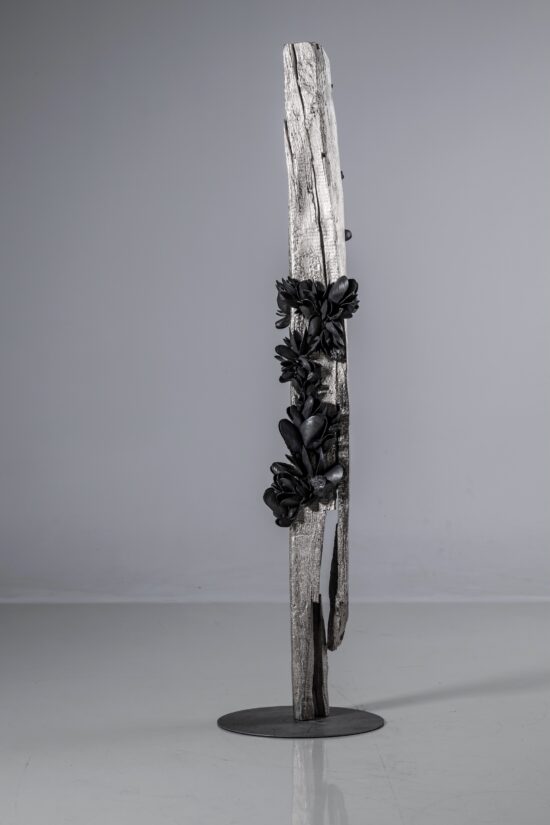
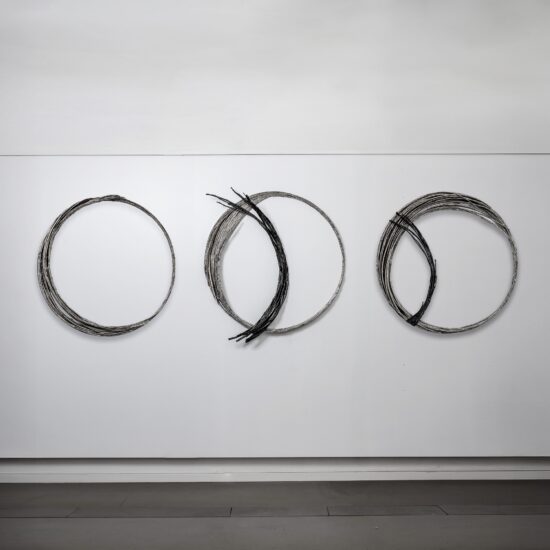
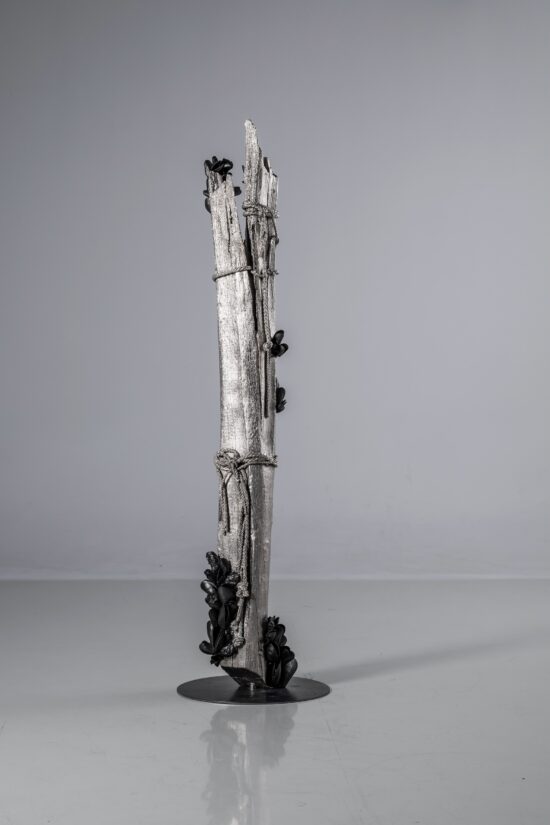
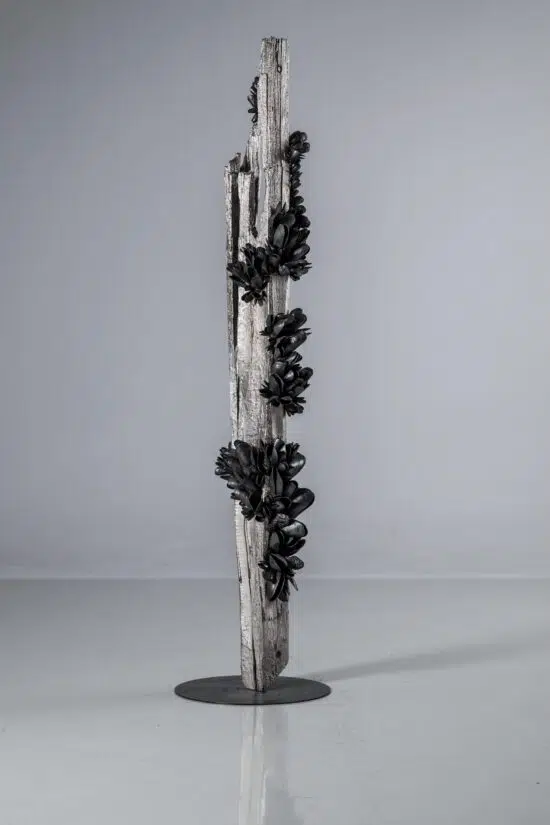
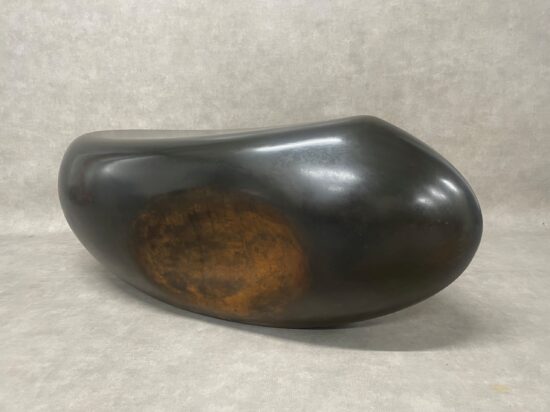
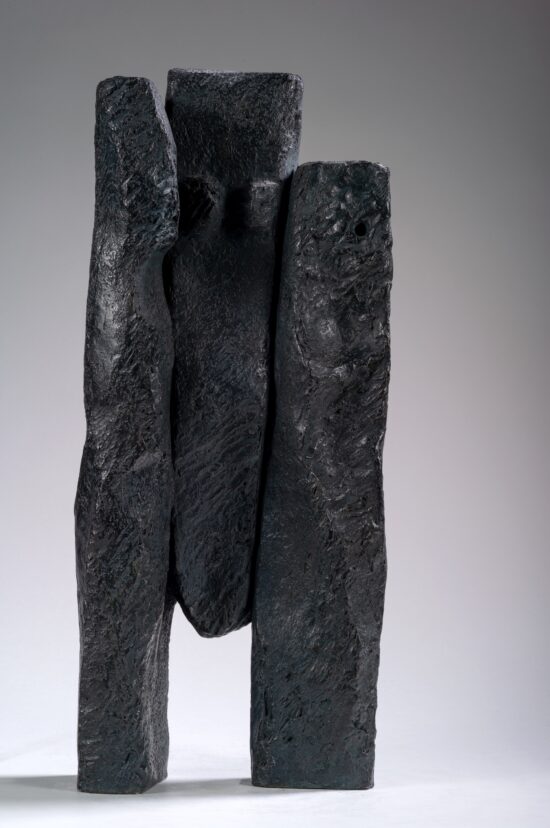
The work of Frédérique Domergue occupies a different territory, situated at the intersection of contemporary art and the traditions of decorative arts and fine craftsmanship. Whether creating sculptures, wall-based works or functional pieces, she employs a technique derived from artisanal practices: the application of thin metal sheets over carefully constructed wooden structures.
Steel, bronze, brass, copper and titanium become the visible skin of the artwork, enveloping forms that range from abstract totems to sculptural benches and tables inspired by natural rock formations. The precision required by this process reflects a deep understanding of materials and techniques that have long belonged to the world of decorative arts.
Yet Domergue’s work goes far beyond technical mastery alone. Through carefully controlled oxidation processes, she transforms the appearance of the metal surfaces, introducing subtle variations of colour, texture and depth. These chemical interventions become an integral part of her artistic language, allowing each work to develop a distinctive visual identity.
By combining traditional craftsmanship with contemporary sculptural concerns, Domergue demonstrates how metal can become a medium for both technical refinement and artistic experimentation.
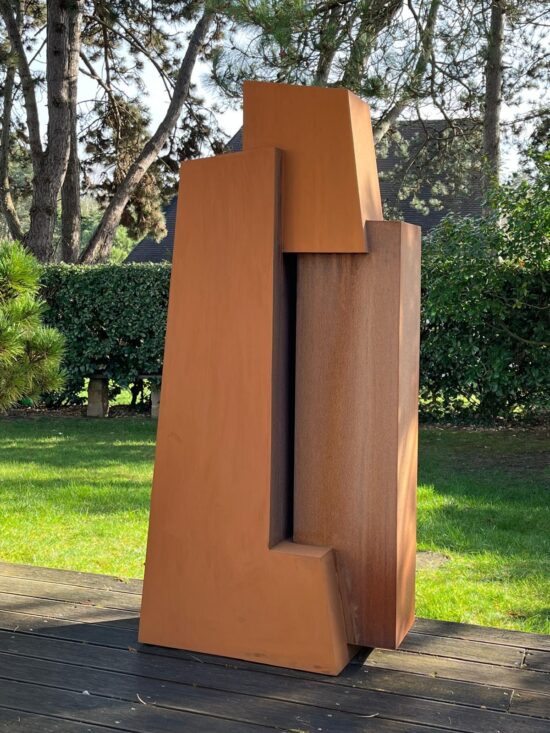
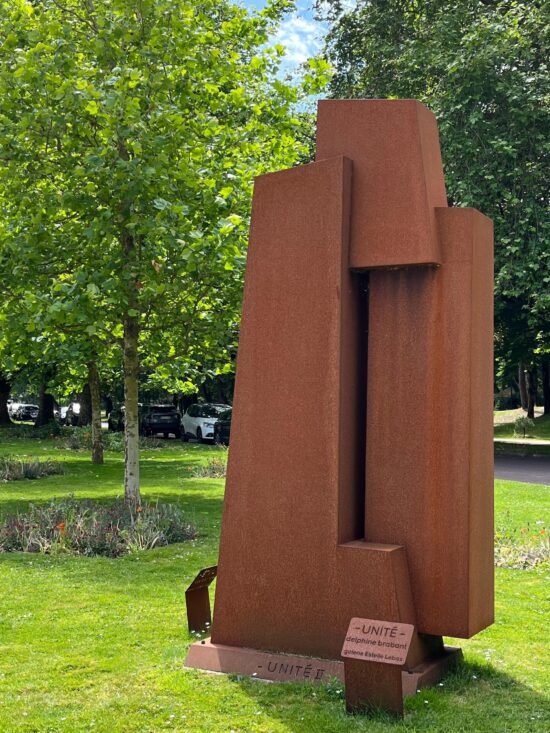
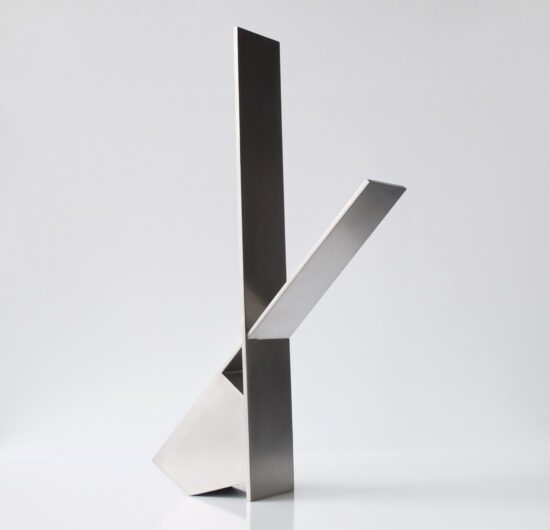
Alongside Ondřej Oliva, Franck K and Frédérique Domergue, Artistics also represents artists who explore metal through other approaches. Delphine Brabant creates outdoor sculptures in corten steel whose weathered surfaces evolve over time, while Ramon Enrich occasionally incorporates painted iron into his sculptural practice. Together, these artists illustrate the remarkable diversity of contemporary metal sculpture and the many ways in which metal continues to inspire artistic innovation.
Understanding Metal Sculpture: Materials, Finishes and Space
One of the most distinctive qualities of metal sculpture lies in the way it engages with its surroundings. Beyond form and volume, metal introduces questions of reflection, light, texture and transformation that are rarely encountered with other sculptural materials. Whether highly polished or deliberately weathered, monumental or intimate in scale, contemporary metal sculptures establish dynamic relationships with the spaces they inhabit and the people who experience them.
Surface, Reflection and Patina
The surface of a metal sculpture is never merely a finishing detail. It is often a fundamental component of the artwork itself. Artists can choose from a wide range of treatments, each producing very different visual effects.
Polished stainless steel creates reflective surfaces that capture and transform their surroundings. Brushed finishes offer a more subtle interaction with light, while oxidised metals reveal rich colours and textures that evolve over time. Copper, brass and certain steels can develop distinctive patinas, introducing layers of visual complexity that become part of the sculpture’s identity.
These surface treatments influence not only the appearance of an artwork but also the way viewers engage with it. A reflective sculpture may incorporate fragments of its environment into the work itself, while a patinated surface can emphasise the material’s tactile qualities and relationship to time.
Metal, Light and Perception
Few sculptural materials interact with light as actively as metal. Depending on its finish, a metal surface can absorb, diffuse or reflect light, creating visual effects that change throughout the day.
This relationship is particularly evident in contemporary sculptures that incorporate polished or reflective elements. As natural light shifts and viewers move around the work, forms appear to transform. Reflections fragment, merge and recombine, creating constantly changing visual experiences. In some cases, the surrounding landscape, architecture or viewer becomes an integral component of the artwork itself.
For this reason, metal sculpture often rewards prolonged observation. Rather than presenting a single, fixed image, it encourages a more dynamic encounter in which perception evolves according to viewpoint, movement and changing environmental conditions.
Scale, Structure and Possibility
The physical properties of metal offer sculptors a remarkable degree of freedom. Strong yet relatively lightweight, many metals make it possible to create forms that would be difficult—or even impossible—to achieve in stone or other materials.
Open structures, suspended elements, slender supports and ambitious cantilevered forms all become possible through the use of metal. Artists can work on both intimate scales and monumental dimensions while maintaining a sense of visual lightness. This versatility has made metal one of the preferred materials for contemporary public sculpture and large-scale installations.
At the same time, metal allows for exceptional precision. Geometric forms, delicate details and complex assemblies can coexist within a single sculpture, enabling artists to explore a wide range of aesthetic possibilities.
From Interior Spaces to Outdoor Installations
Metal sculpture adapts naturally to a variety of environments. Within interior spaces, its ability to reflect light and interact with surrounding architecture often creates a strong visual presence without requiring large volumes. A carefully positioned metal sculpture can transform the perception of a room through subtle plays of light, reflection and shadow.
Outdoors, metal offers additional possibilities. Materials such as stainless steel and corten steel are particularly well suited to exterior display, where changing weather conditions and seasonal variations become part of the viewing experience. Reflections shift with the movement of clouds and sunlight, while certain surfaces acquire greater depth and character as they age.
Whether installed in a private collection, a corporate environment, a public space or a garden, metal sculpture establishes an ongoing dialogue with its setting.
A Material That Evolves Over Time
Although metal is often associated with permanence and durability, it is also a material capable of transformation. Certain metals oxidise naturally, developing colours and textures that were not present when the sculpture was first created. Others are intentionally treated by artists to accelerate or control these processes.
Far from being considered imperfections, these changes often form part of the artwork’s conception. The passage of time becomes visible on the surface of the sculpture, enriching its appearance and reinforcing its connection to the environment.
This capacity for evolution distinguishes metal from many other sculptural materials. A contemporary metal sculpture is not always a fixed object; it can be a work that continues to develop through its interaction with light, weather and time itself. For collectors, this living dimension contributes to the enduring appeal of metal as a sculptural medium.
Discover Original Metal Sculptures with Artistics
Sculpture has always been at the heart of Artistics. Over the years, the gallery has developed particular expertise in contemporary sculpture, working closely with artists whose practices combine technical mastery, material knowledge and a distinctive artistic vision. This expertise enables our team to guide both experienced collectors and first-time buyers through the acquisition process, helping them identify artworks that correspond to their interests, spaces and collecting goals.
The selection of contemporary metal sculptures presented on our website reflects only part of the opportunities available through the gallery. While Artistics represents several artists working with materials such as stainless steel, aluminium, copper, brass, titanium and iron, many additional works remain in artists’ studios or become available only through direct enquiry.
Because of our extensive network within the contemporary sculpture world, we are often able to assist collectors in locating works that are not currently featured online. Whether you are searching for a particular type of metal sculpture, a specific material, a sculpture for an interior or outdoor setting, or an artwork that meets precise aesthetic or architectural requirements, our team can help identify suitable options and introduce you to artists whose work aligns with your project.
Artistics also has significant experience managing the practical aspects of sculpture acquisition, including international shipping, installation and logistics for large-scale works. From small tabletop sculptures to ambitious outdoor projects, we work with specialised partners to ensure that each artwork reaches its destination safely and under optimal conditions.
Collectors visiting Paris may also arrange a private appointment with our team to discuss their projects and discover a selection of artworks in person.
For any enquiry, you can contact us through the live chat available on this website, by email at contact@artistics.com or by telephone at +33 (0)1 40 28 92 28.
Whether you are looking for an original metal sculpture, exploring a new collecting direction or searching for a work that is not yet available online, Artistics is committed to providing expert guidance and personalised support at every stage of the process.
Filters




- We provide the highest level of customer service
Read our customers' reviews


- We provide the highest level of customer service
Read our customers' reviews