Buru Beltza
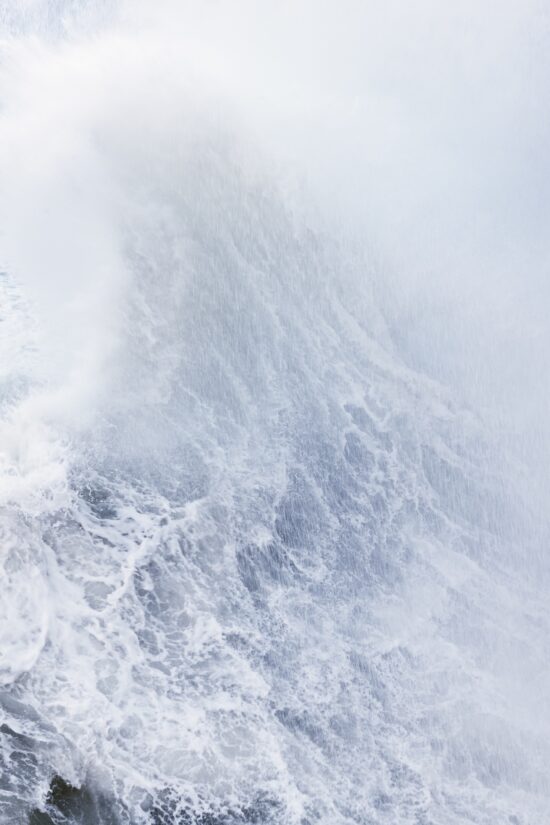
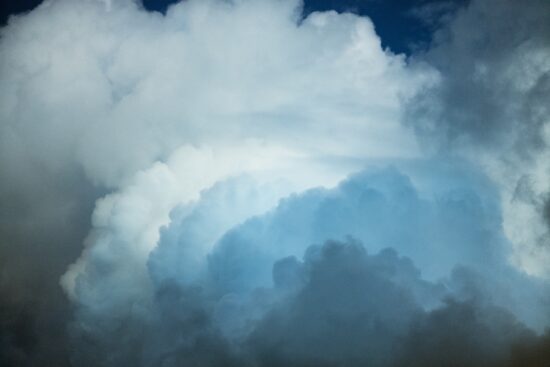
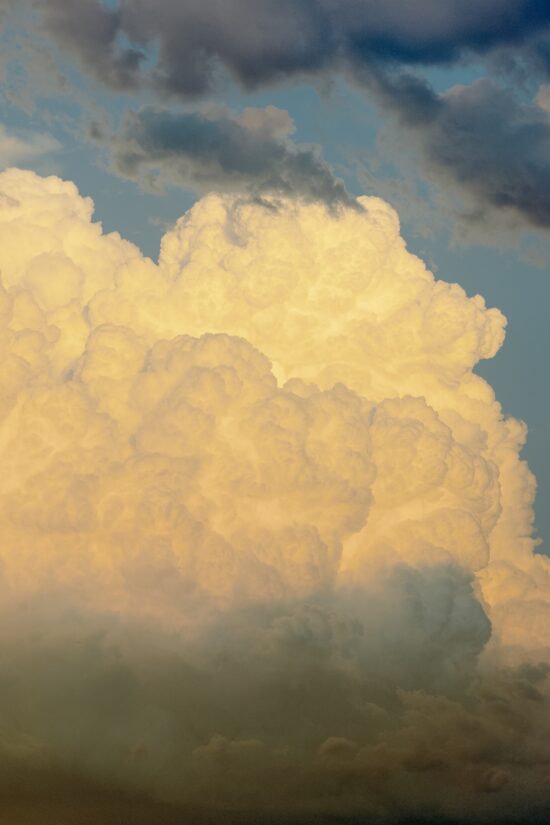
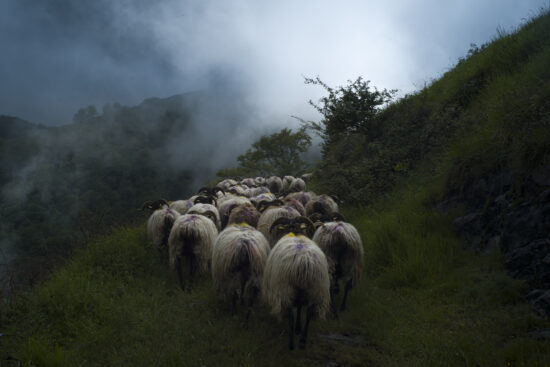
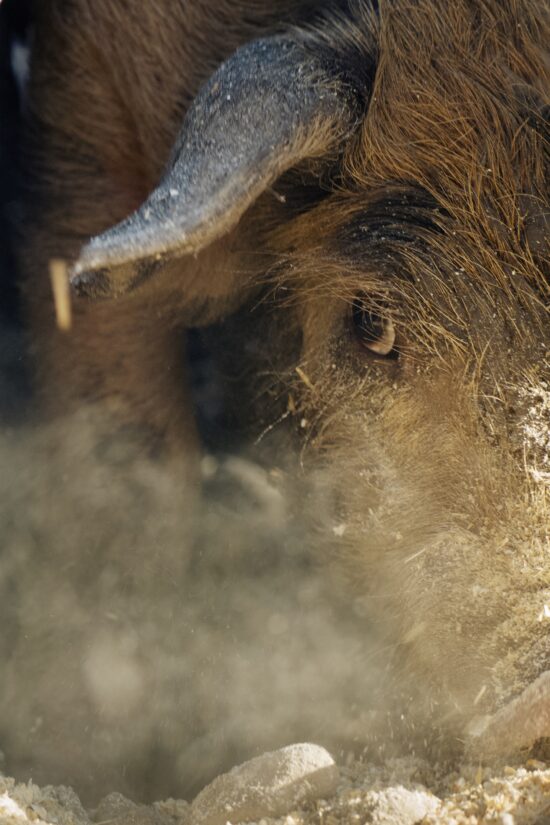
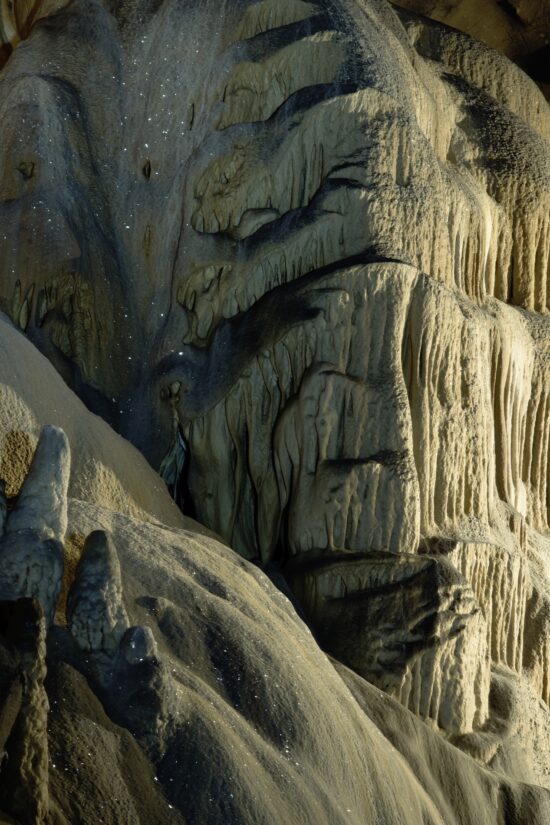
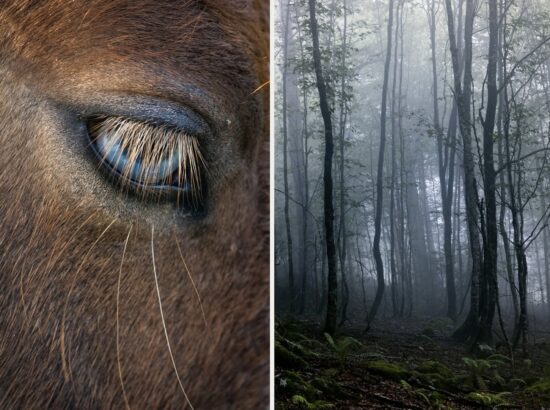
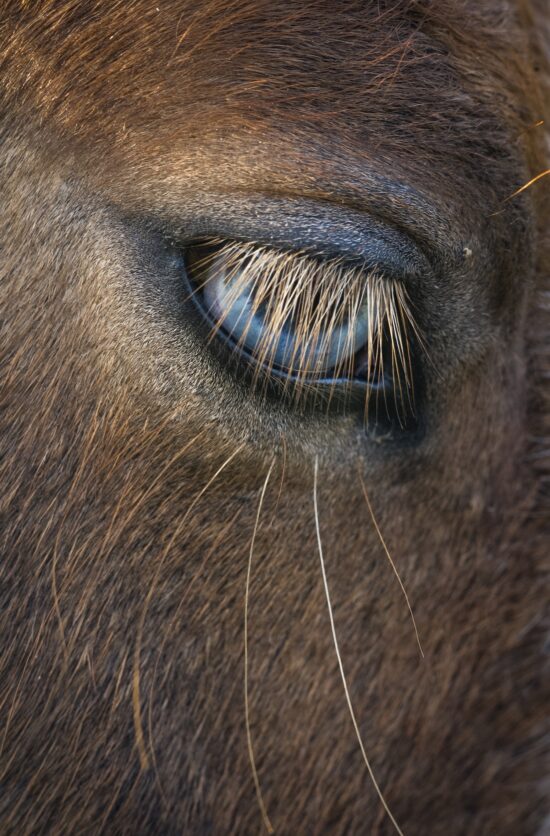
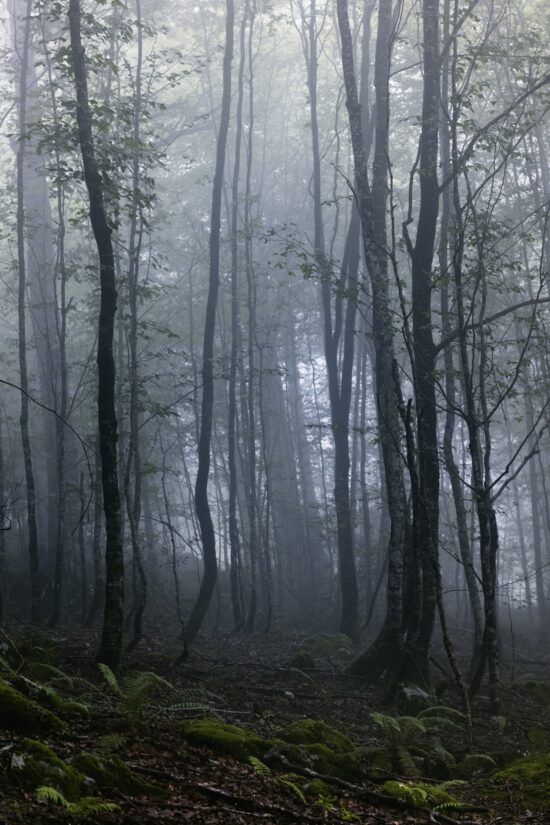
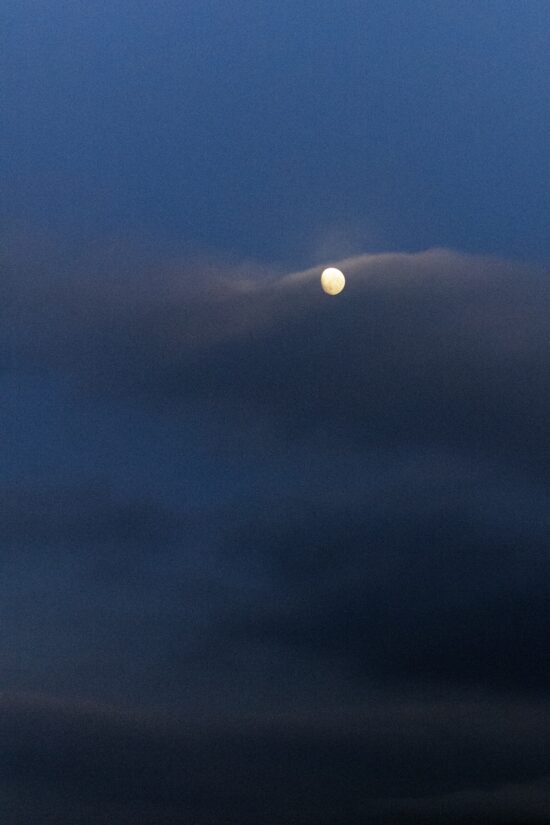
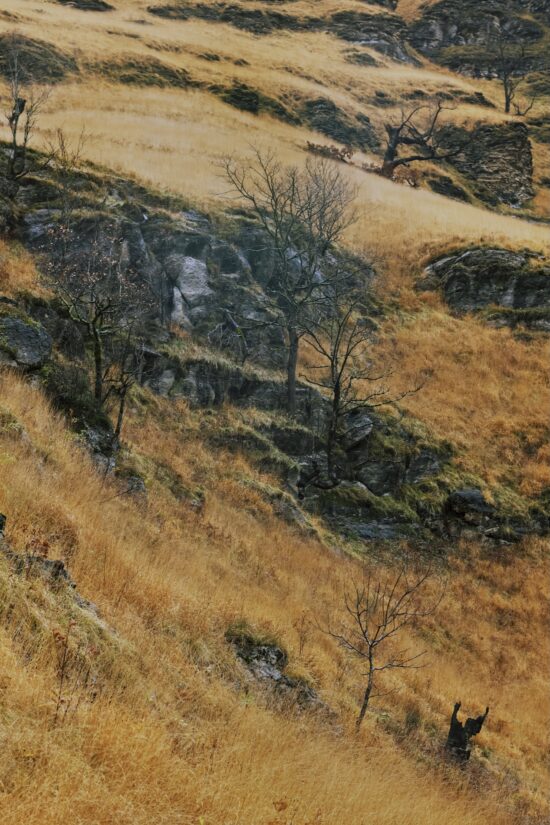
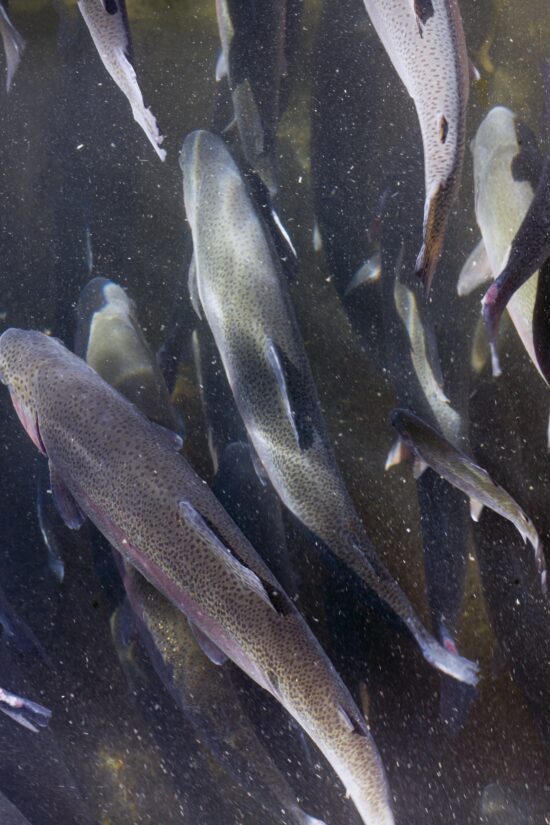
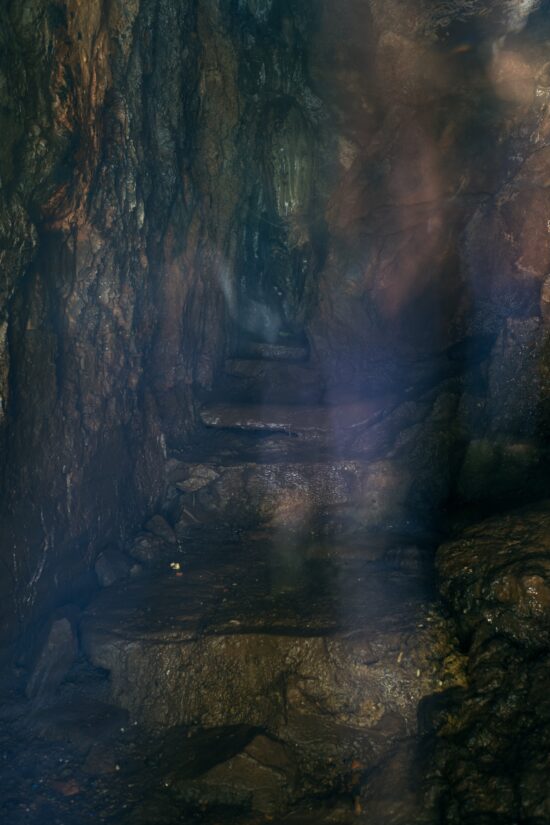
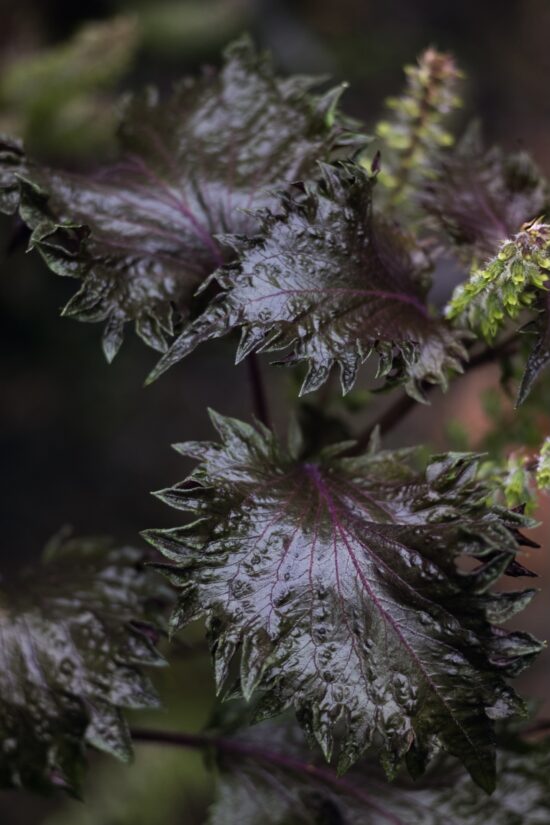
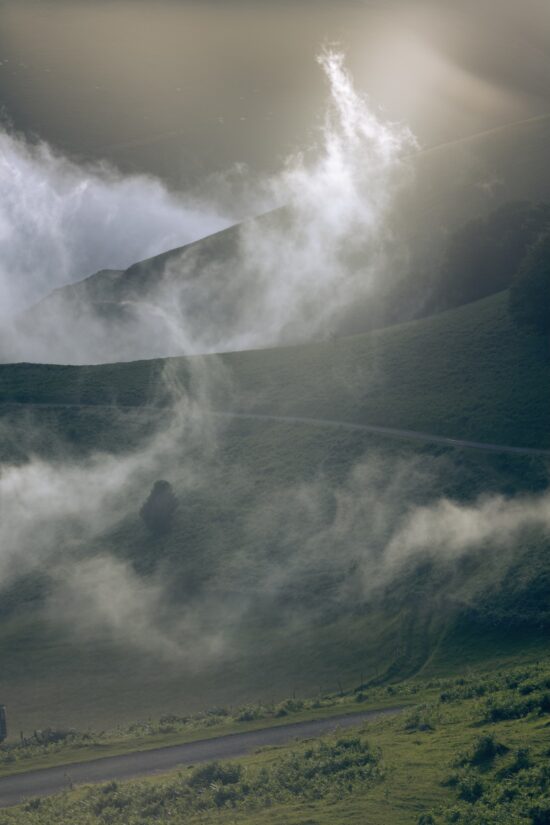
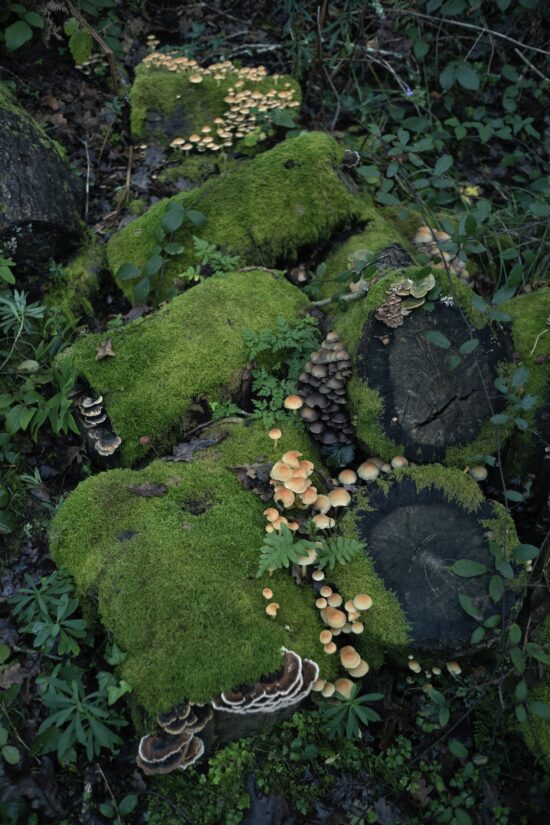
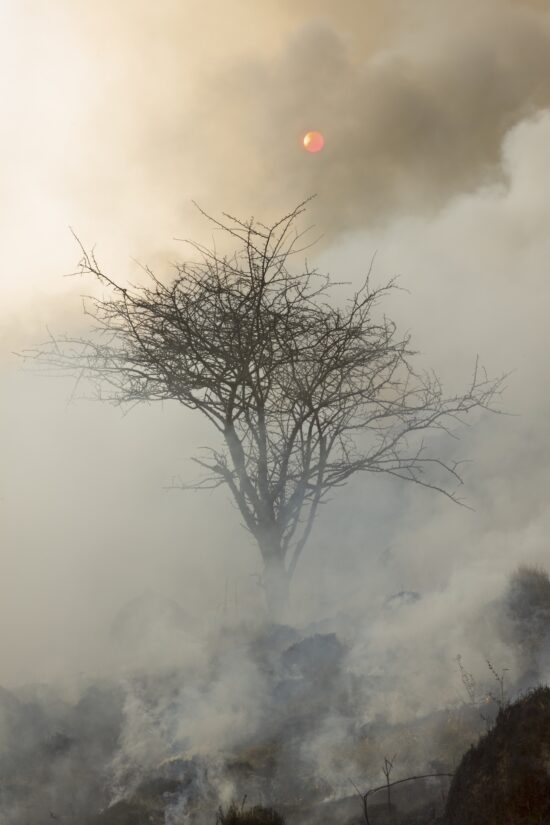
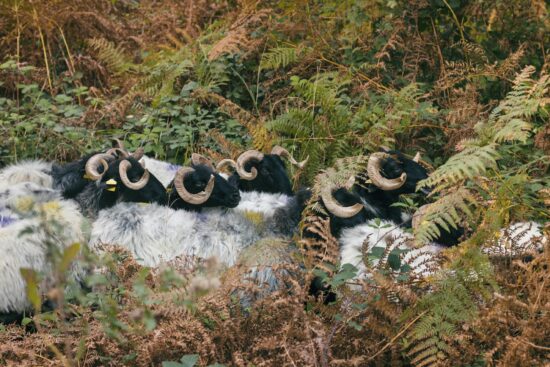
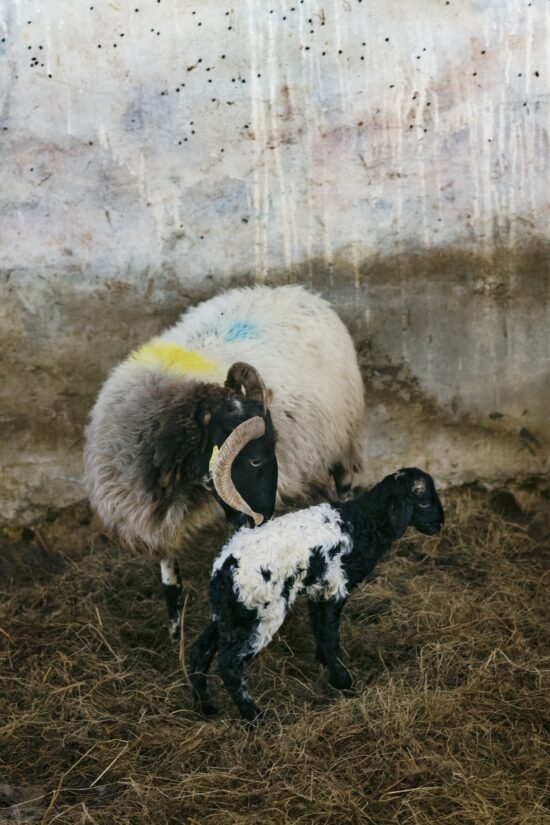
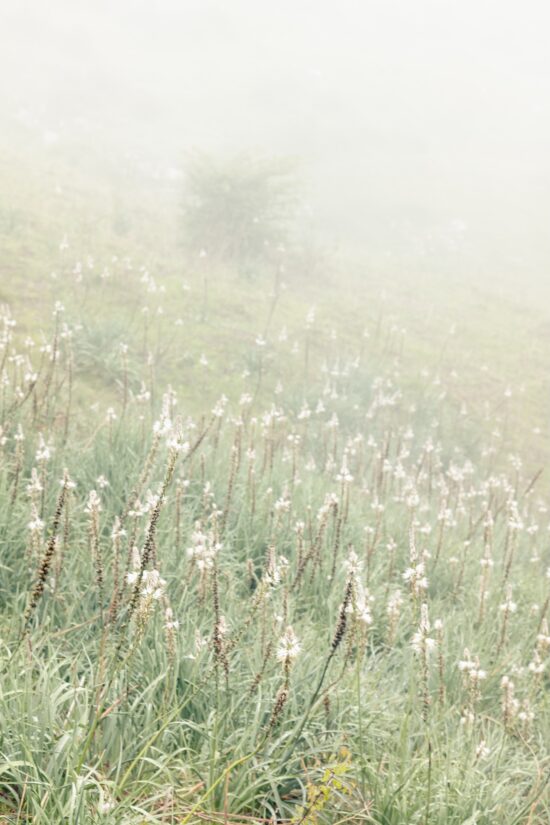
Nuptials, or the Wild Borderlands
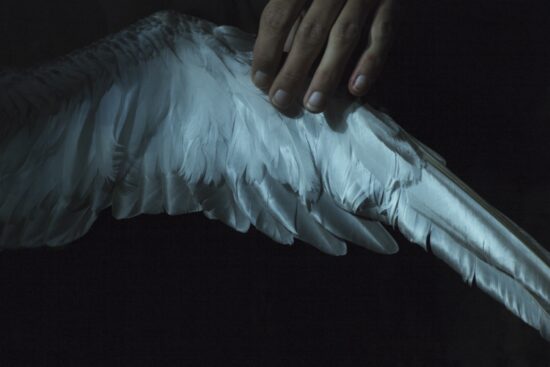
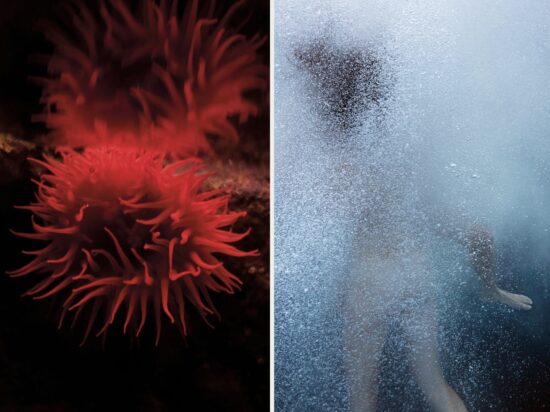
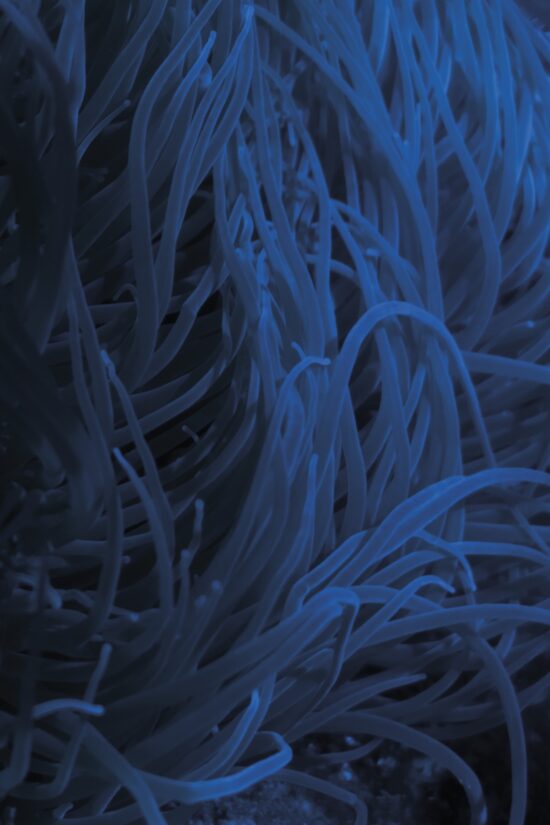
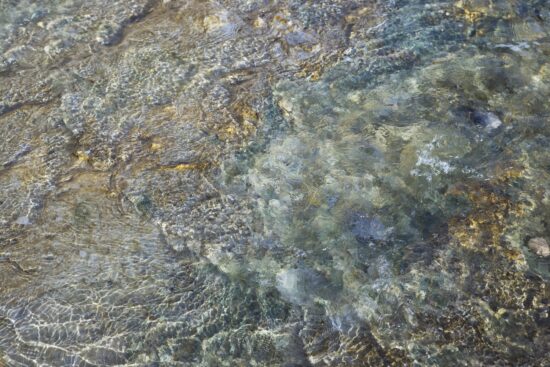
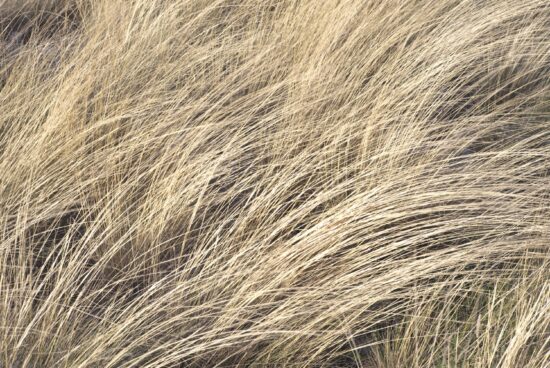
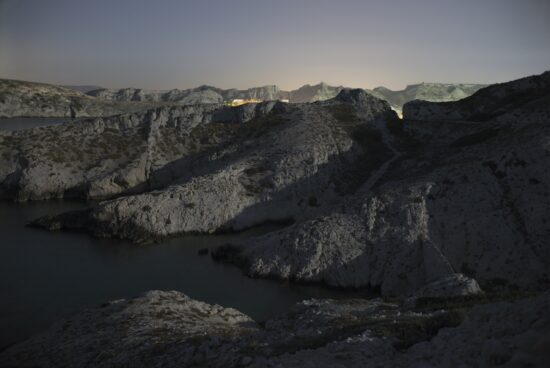
Beasts and Meteors
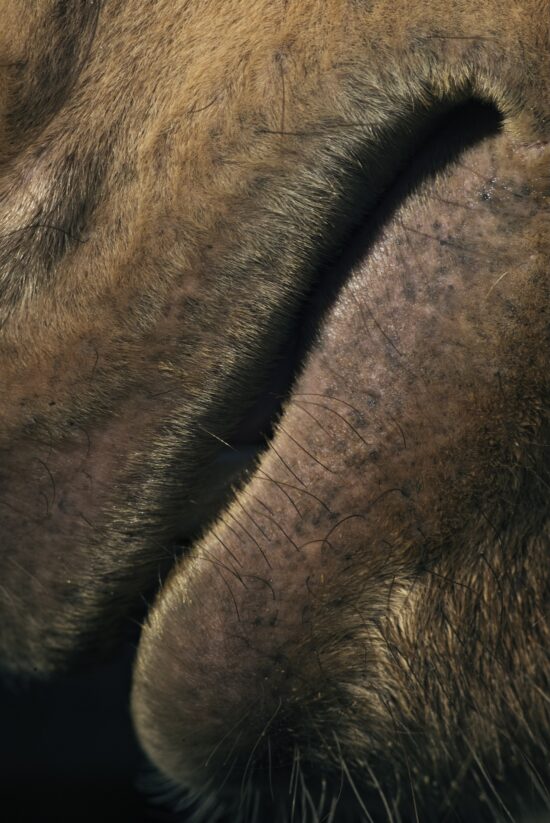
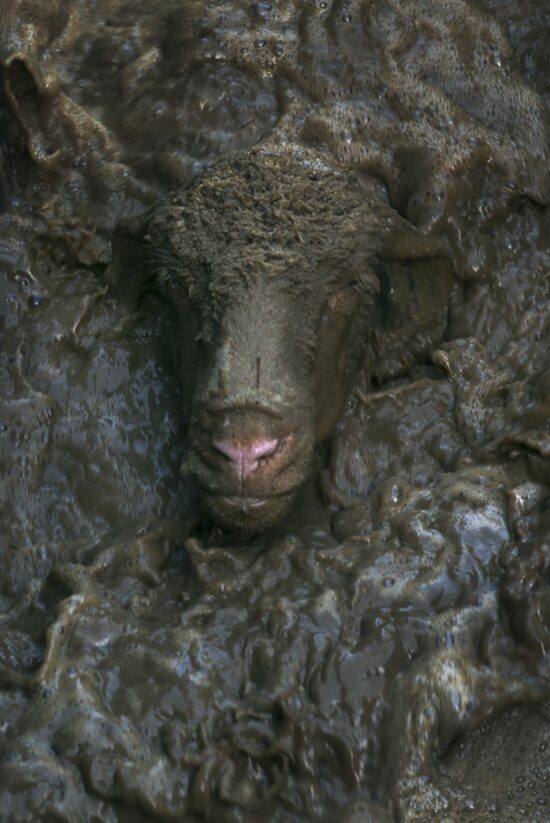
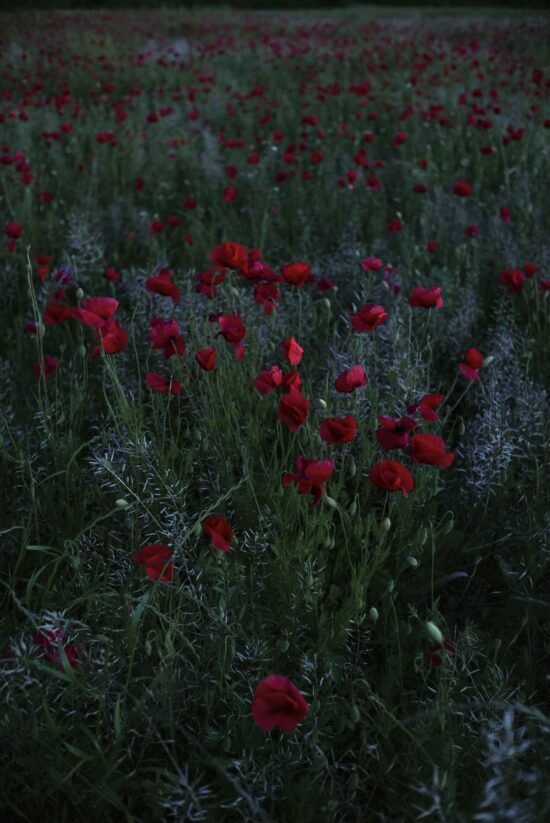
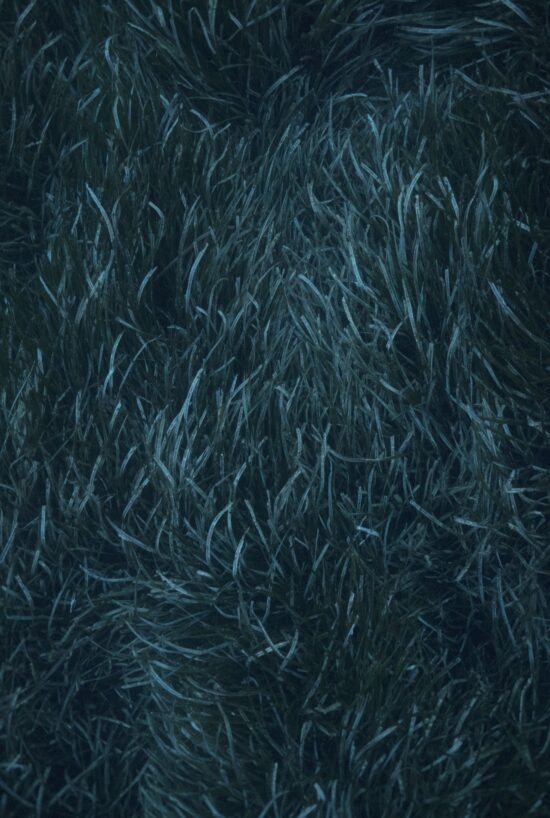
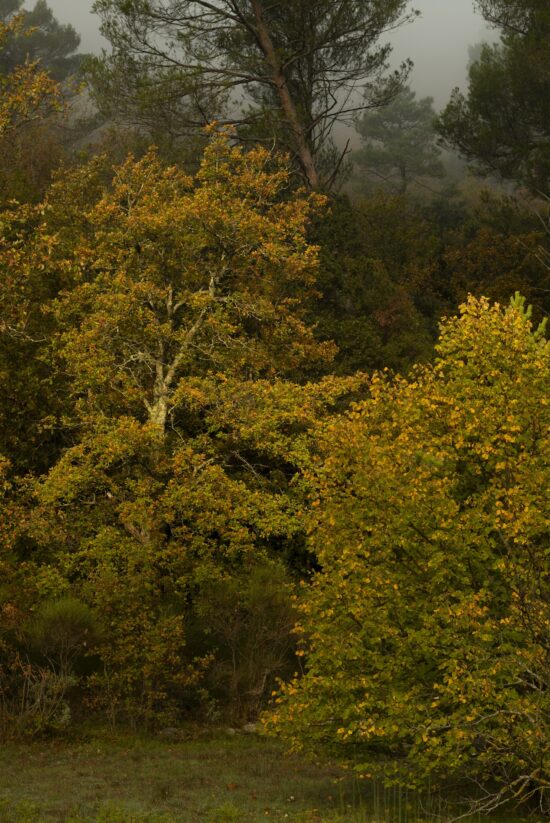
Others
Biography
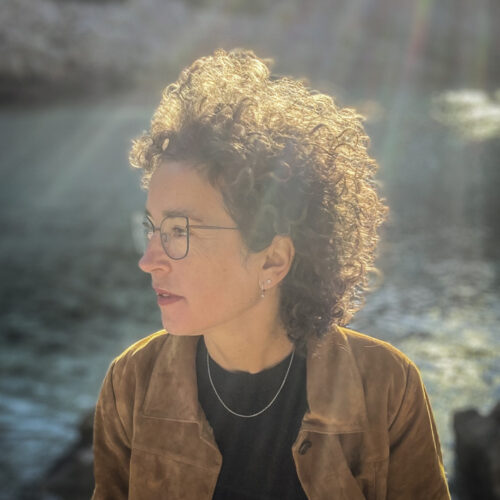
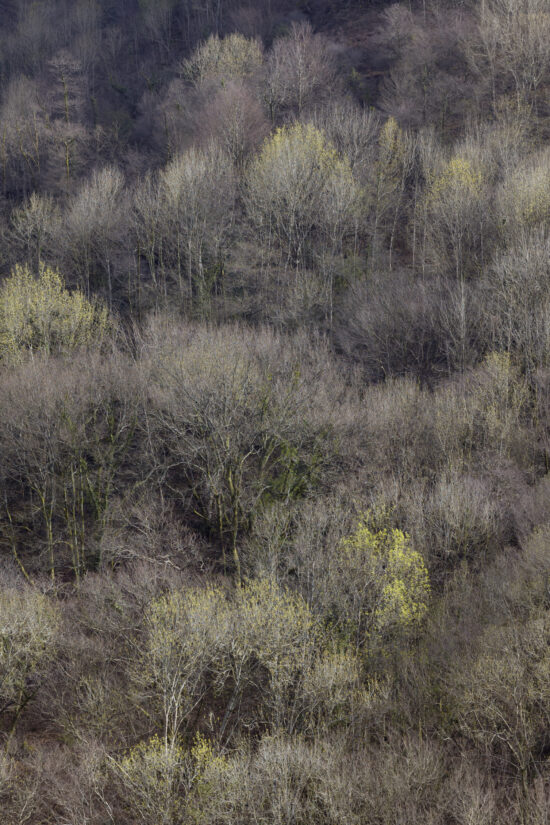
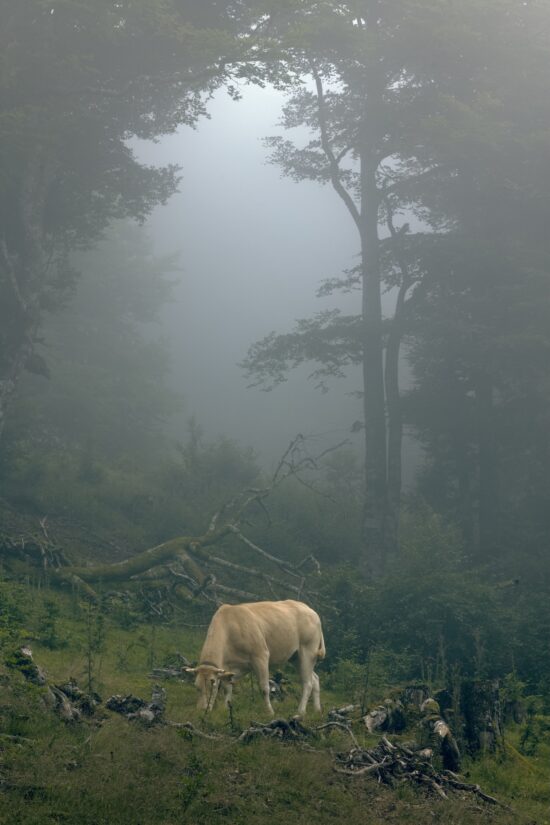
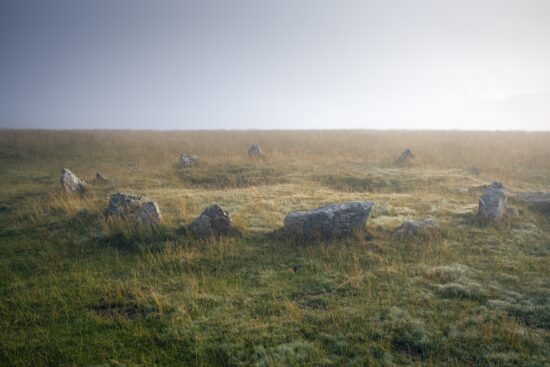
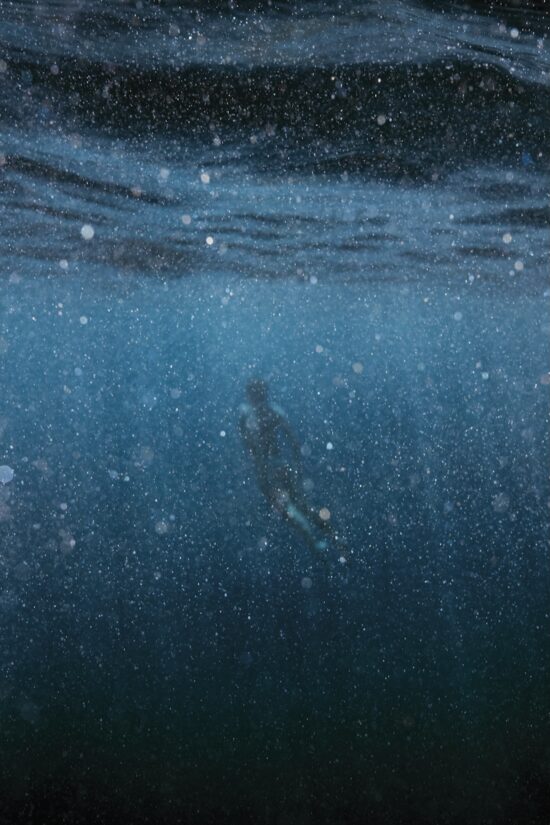
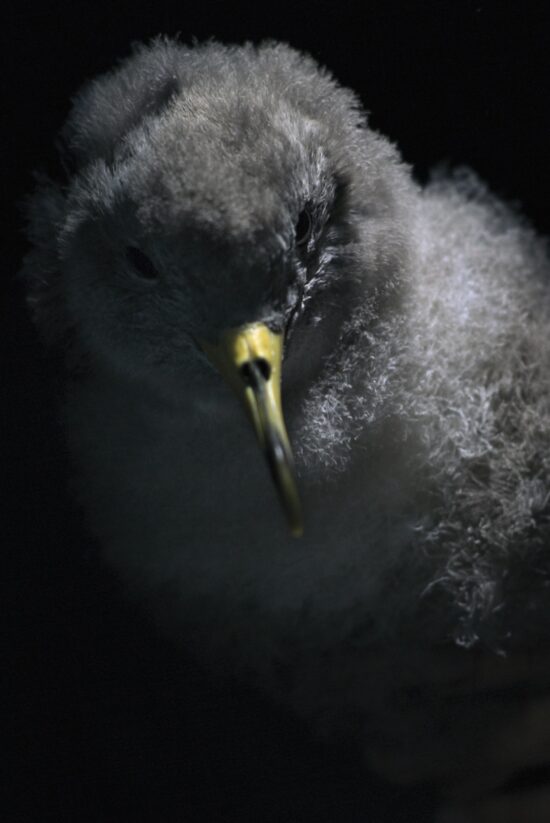
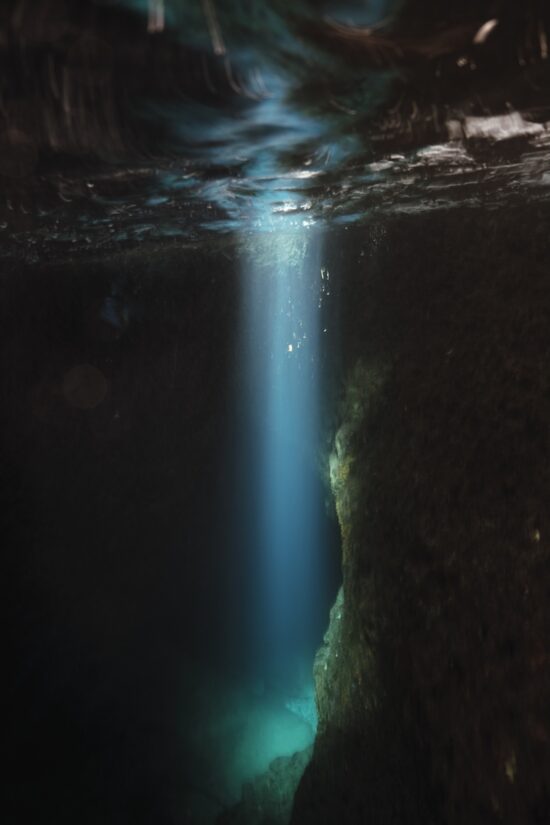
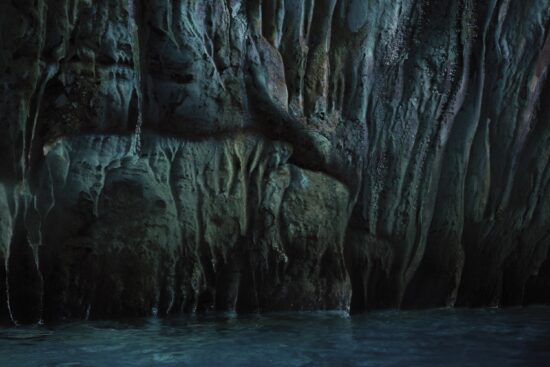
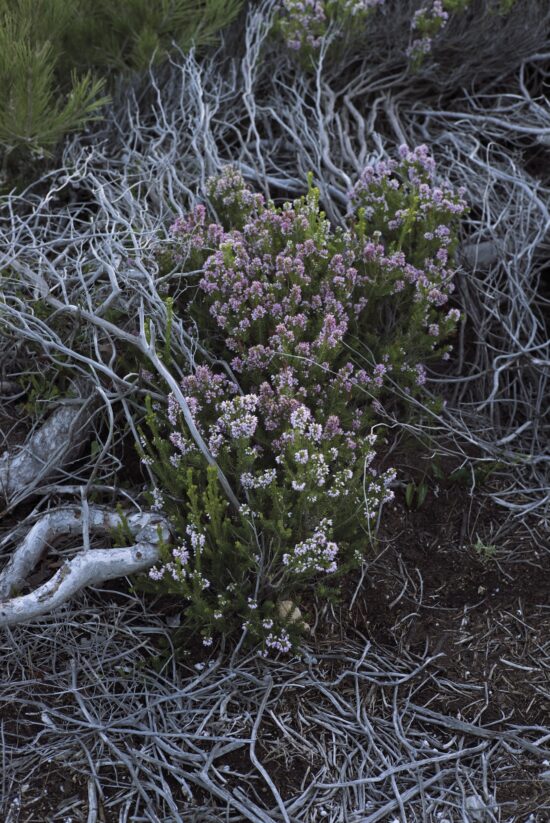
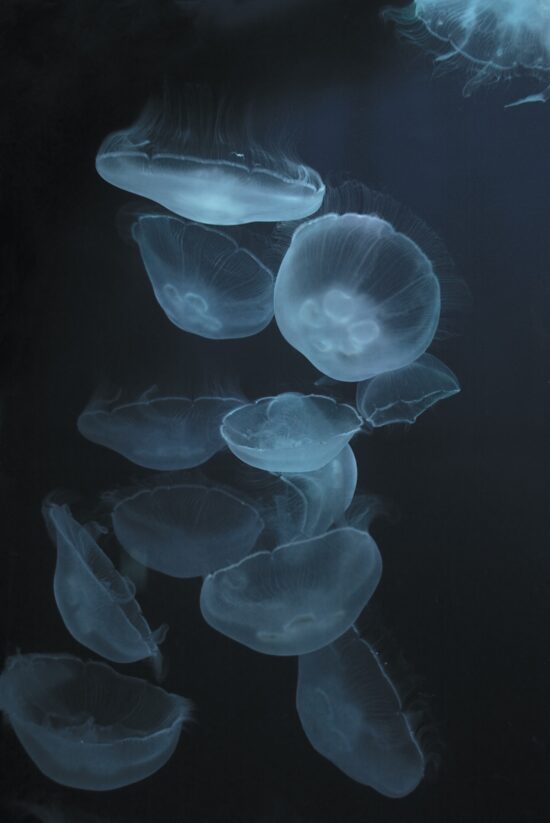
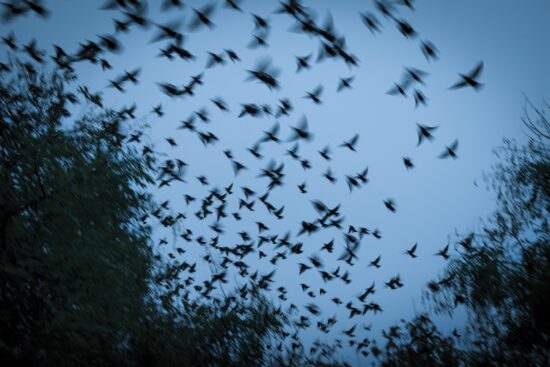
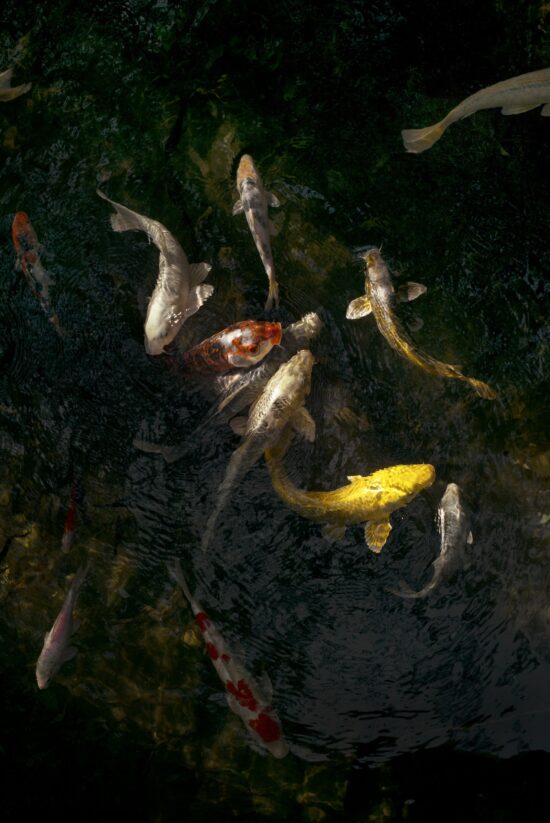
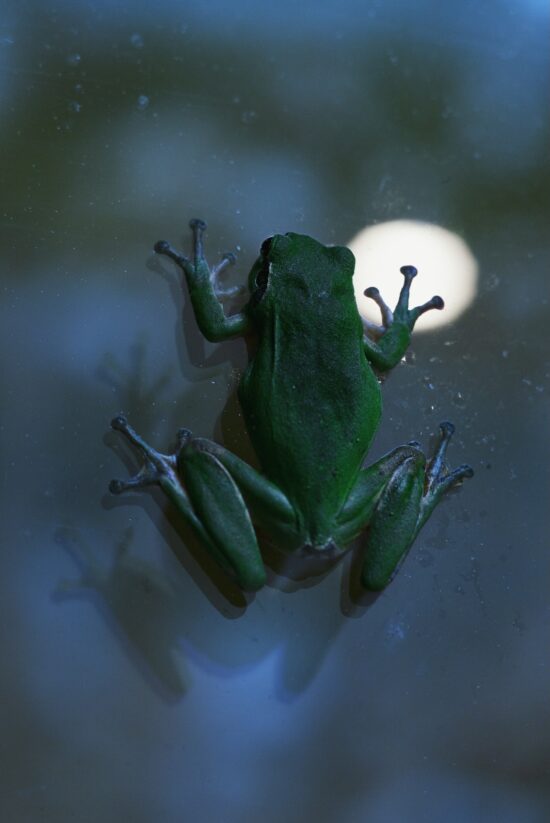
Contemporary photographer Hélène David’s practice is deeply rooted in nature and the territories she explores. Drawing on her observation of the natural world, she creates works that resist being confined to the traditional categories of portraiture, landscape, or documentary photography: human bodies, animals, plants, minerals, and natural environments coexist within her work and contribute equally to her vision. Her sensitive approach leaves ample room for intuition, wonder, and the unseen, while paying particular attention to the relationships that connect the different elements of the living world and questioning established hierarchies and classifications.
From Documentary Photography to Artistic Research
After studying at the École nationale supérieure Louis-Lumière in Paris, Hélène David began her career in photojournalism. She worked for international media and publishing outlets as a photojournalist while simultaneously pursuing more personal projects. Drawn to the marine environment, and particularly to the harsh, untamed world of the open sea, she spent long periods aboard deep-sea fishing vessels and merchant ships, and also spent a week aboard a nuclear submarine.
As part of the Climate Refugees project, presented at the 2009 World Climate Summit in Copenhagen, she spent time in Alaska with the Iñupiat people. There, she became interested in a different way of inhabiting the natural world, and in how the environment shapes communities and social interactions. These experiences made her aware of the power of the ocean and of the sense of distance from civilization that it can evoke.
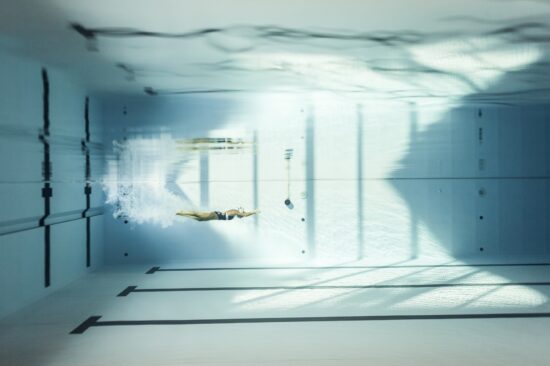
Her photographic practice therefore involves a strong personal commitment to the people she meets during her travels, as well as a commitment to meet sometimes challenging physical working conditions. This focus on the body has remained central to her work, notably when freediving for her underwater photography and practicing contemporary dance.
In 2015, Hélène David turned toward the search for a more sensitive photographic language and a contemporary visual expression. Her life and work led her to Marseille, where she lived for several years. In 2022, after being selected for a major photographic commission initiated by the French Ministry of Culture, she moved to Anglet in the Basque Country, where she now lives and works. Her artistic research is intrinsically connected to the territories she inhabits and immerses herself in.
“For me, there are many connections between documentary photography and what is known as fine-art photography. The gaze, singularity, and subjectivity that come with a documentary approach open doors to sensitivity and imagination, and can lead to the development of an artistic practice.” Hélène David
The Importance of the Body in Hélène David’s Photographic Work
Hélène David draws her inspiration from several disciplines, in particular painting, dance, and cinema. Her sensitivity to color can be traced to the work of Giotto and artists of the Italian pre-Renaissance, while her vision of bodies in space (and their relationships to one another) is inspired by certain contemporary choreographers.
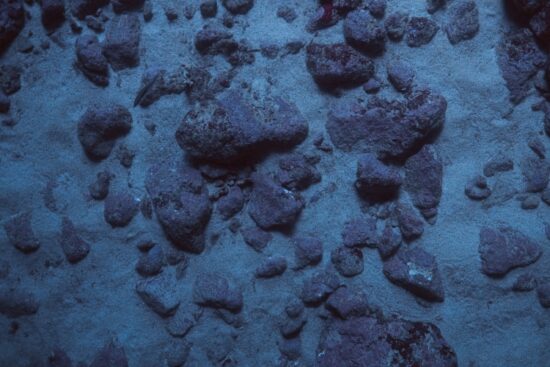
The artist considers the different components of the living world—whether plant, animal, or mineral—as bodies that she approaches without hierarchical distinction. For her, even a stone constitutes a body: its movement and transformations simply unfold on a timescale entirely different from that of the human body. Human beings, as living bodies, are thus part of the continuous metamorphosis of a dynamic Earth, shaped by geological processes that are constantly at work.
“How do all these bodies interact? How can they be brought together in a visual language? It’s a kind of organic, colorful choreography that I try to develop throughout my stories.” Hélène David
Hélène David’s photographic series are conceived as journeys through an expanded world, where the boundaries between bodies and elements become porous, and they enter into relation with one another. From this perspective, the artist is interested in the notion of a “more-than-human community,” or a community that includes humans and non-humans—animals, plants, landscapes, ecosystems, etc.—all connected through a network of interdependencies.
The Creative Process: From the Field to the Lab
Hélène David’s artistic practice combines photography with writing and the collection of archival images. Her creative process unfolds in several stages, beginning with the gathering of images from photographs taken in the field and from archival research. Juxtaposing these archival images with her own work allows her to place her contemporary perspective in dialogue with those of the past, reminding her that every form of representation exists within a continuum of time.
In the field, her photographs often emerge from long walks that she describes as “sensitive and meditative,” allowing her to immerse herself deeply in the environment. Some situations call for a more intense physical commitment, particularly when she photographs underwater. During these field excursions, she also records the words of those she calls the “intermediaries” of the territory she is exploring. This practice, inherited from her documentary work, informs and enriches her artistic process.
After selecting an initial batch of photographs, Hélène David makes numerous small prints, sometimes hundreds, and examines them side by side. Intuitively, she then searches for connections, resonances, and associations between the images.
“Intuition plays an important role in my work. From there, the bodies emerge, and I compose a dialogue between all the fragments.” Hélène David
The final step involves giving these bodies of work a physical form as contemporary photographs and books intended for exhibition and collecting. For her prints, the artist works closely with her printer in Paris to reproduce as faithfully as possible the sensory experience she had while taking the photographs. The choice of paper therefore plays an essential role. She uses Awagami Kozo, a Japanese paper that is both flexible and durable and made partly from mulberry fibers. Its subtle surface, marked by delicate iridescence, gives the colors particular depth and lends the images a more poetic and evocative quality.
Recognition in the World of Photography and Art
Hélène David’s work is regularly exhibited in France in galleries, as well as at festivals, museums, and art fairs. Her work is held in several public collections, including the Prints and Photography Department of the Bibliothèque nationale de France, the Fonds Communal d’Art Contemporain of the City of Marseille, the Bouches-du-Rhône Departmental Archives, and the collections of the Basque Country urban community. The artist has published two books with sun/sun editions: Buru Beltza in 2026 and Noces ou les confins sauvages in 2018.
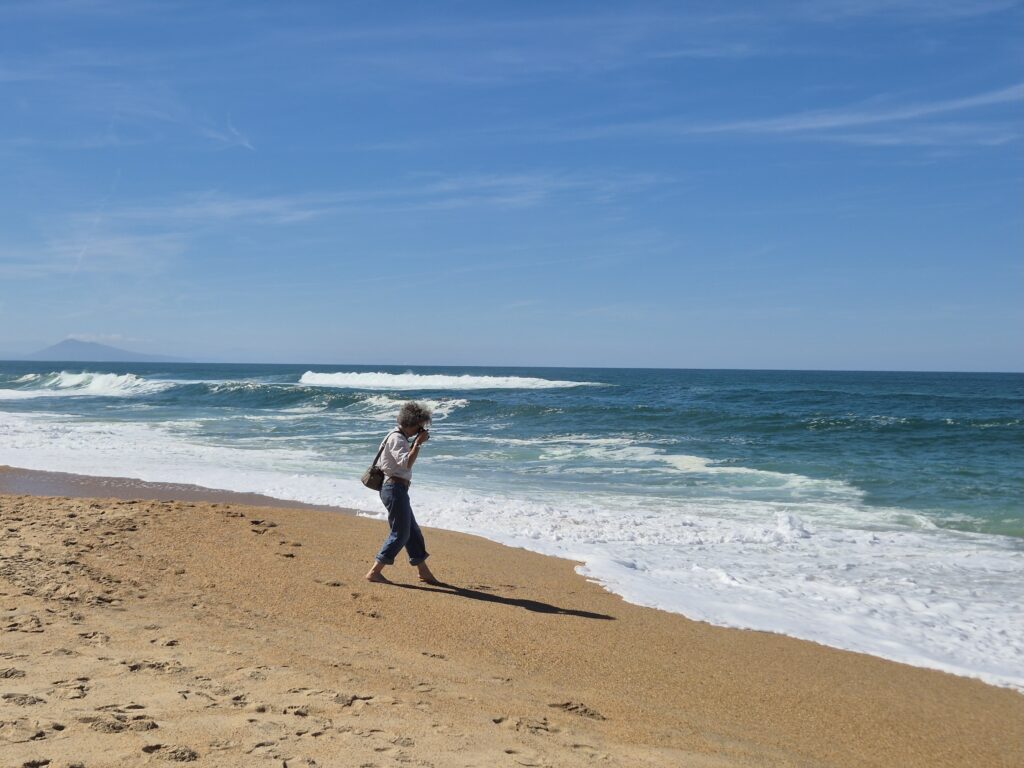
Hélène David working by the sea
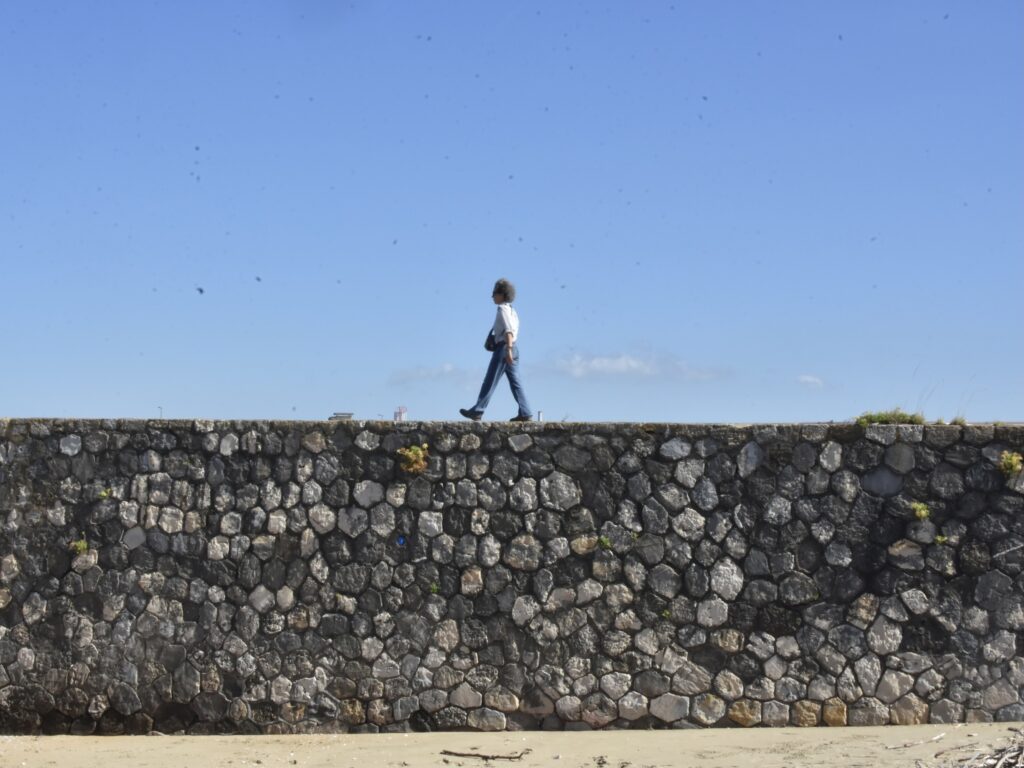
Hélène David working by the sea
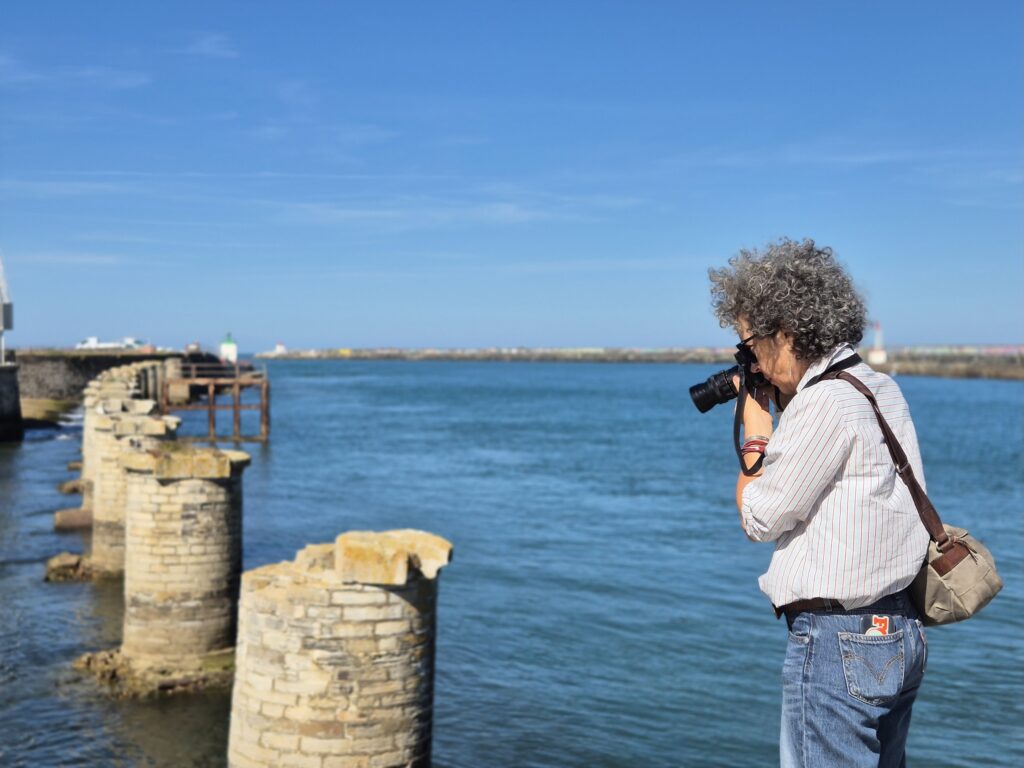
Hélène David working by the sea
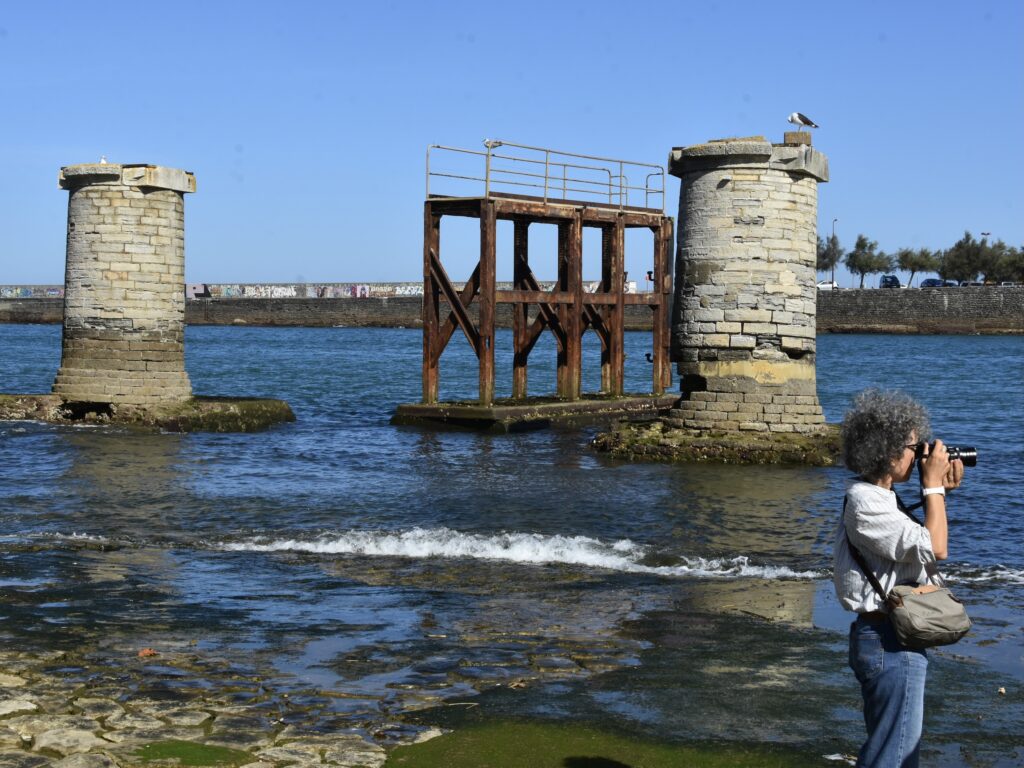
Hélène David working by the sea
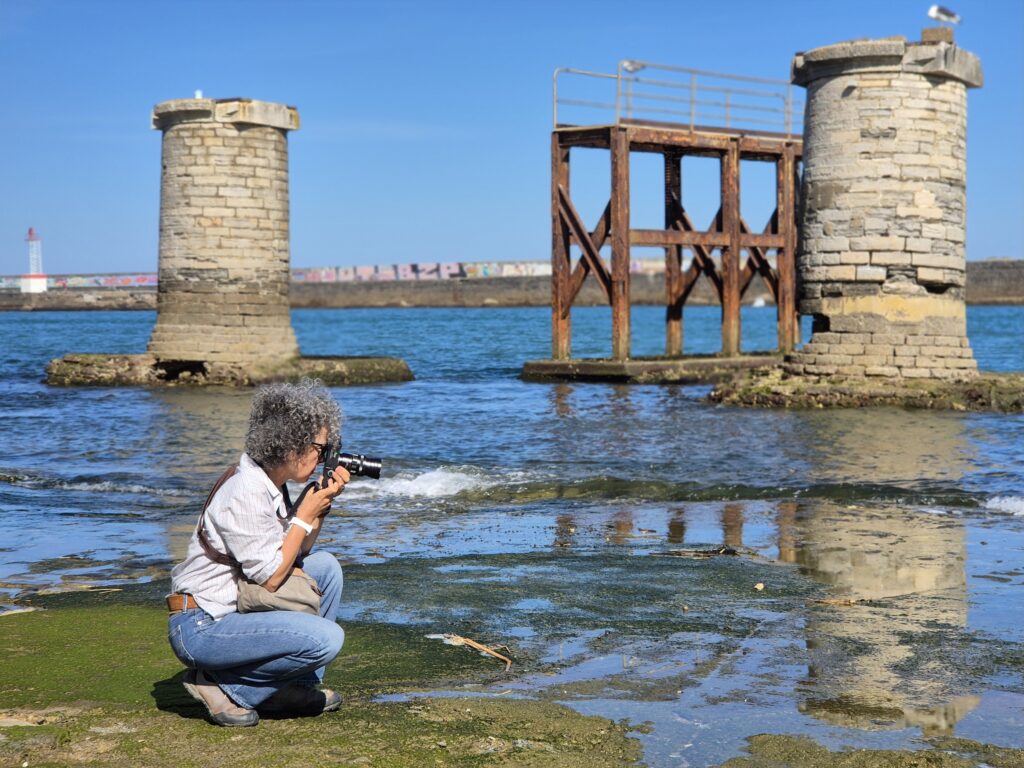
Hélène David working by the sea
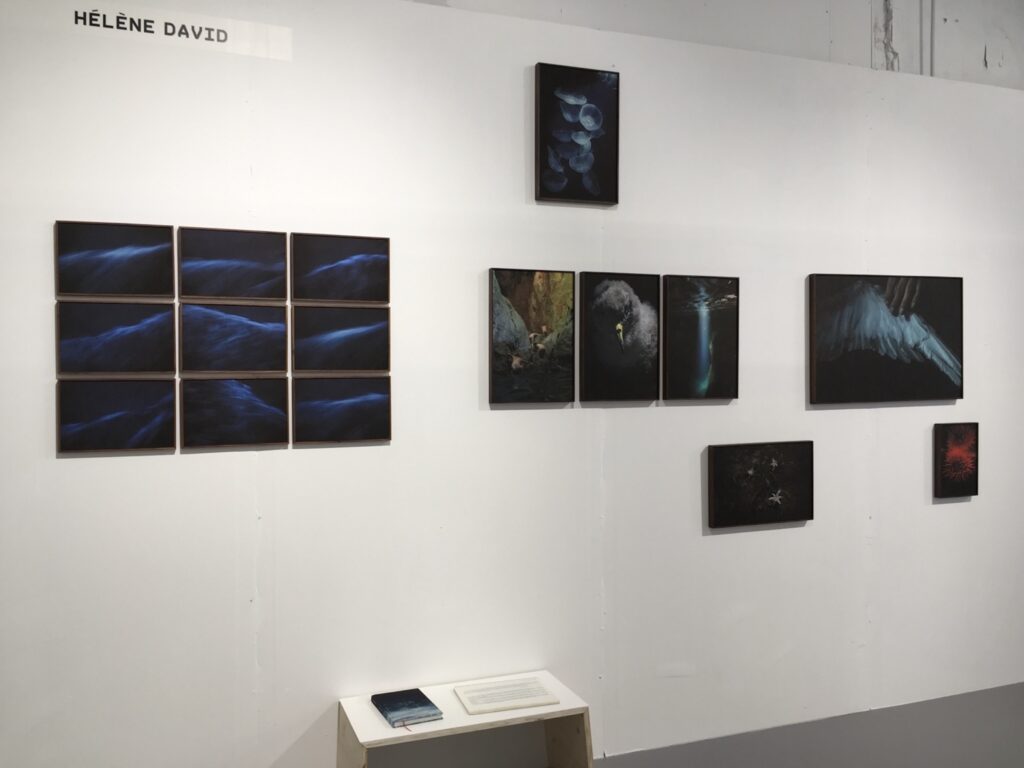
Noces ou les confins sauvages exhibition (polyptych) at Marseille photography centre
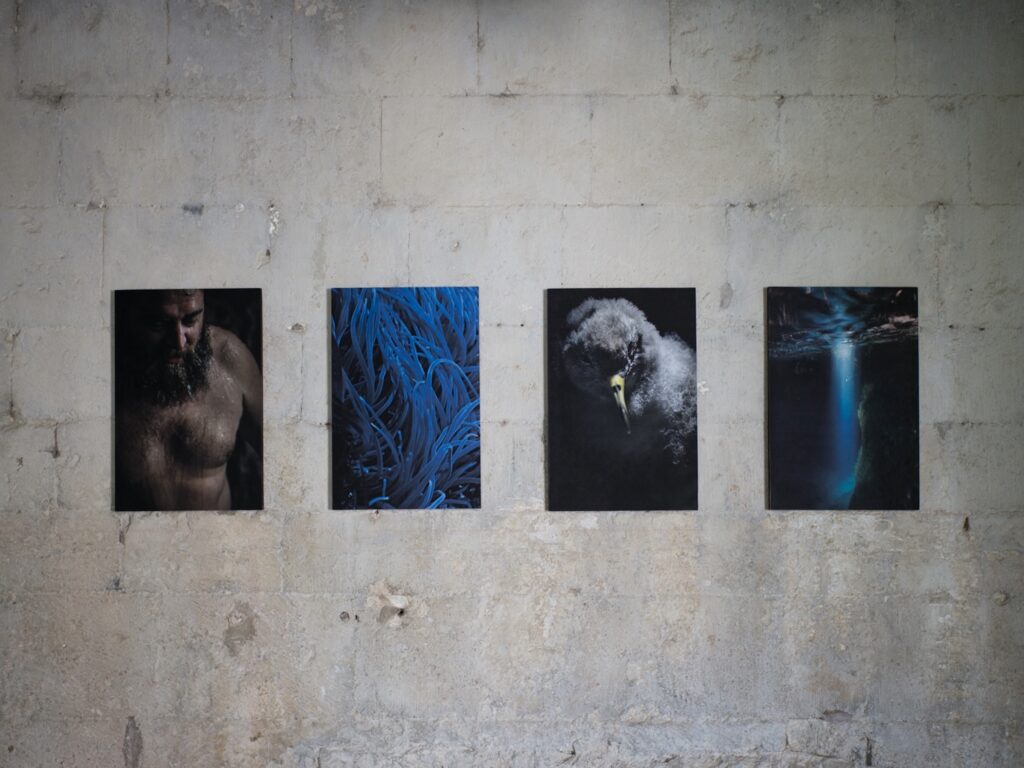
“Noces ou les confins sauvages” exhibition at Silvacane Abbey in 2017
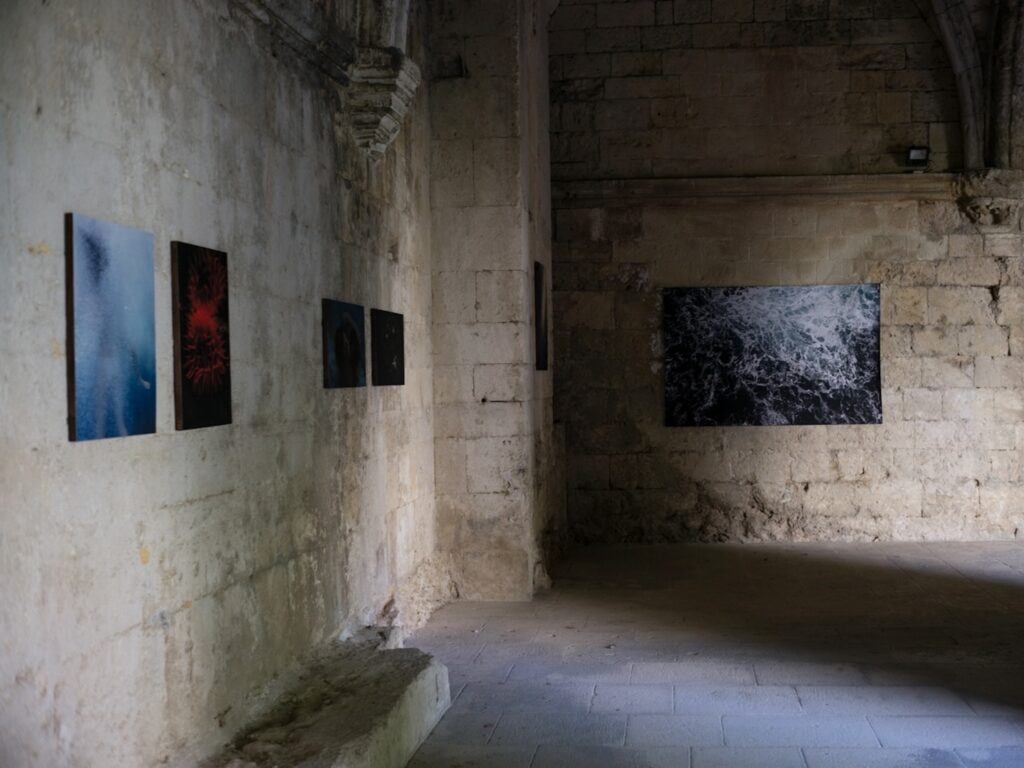
“Noces ou les confins sauvages” exhibition at Silvacane Abbey in 2017
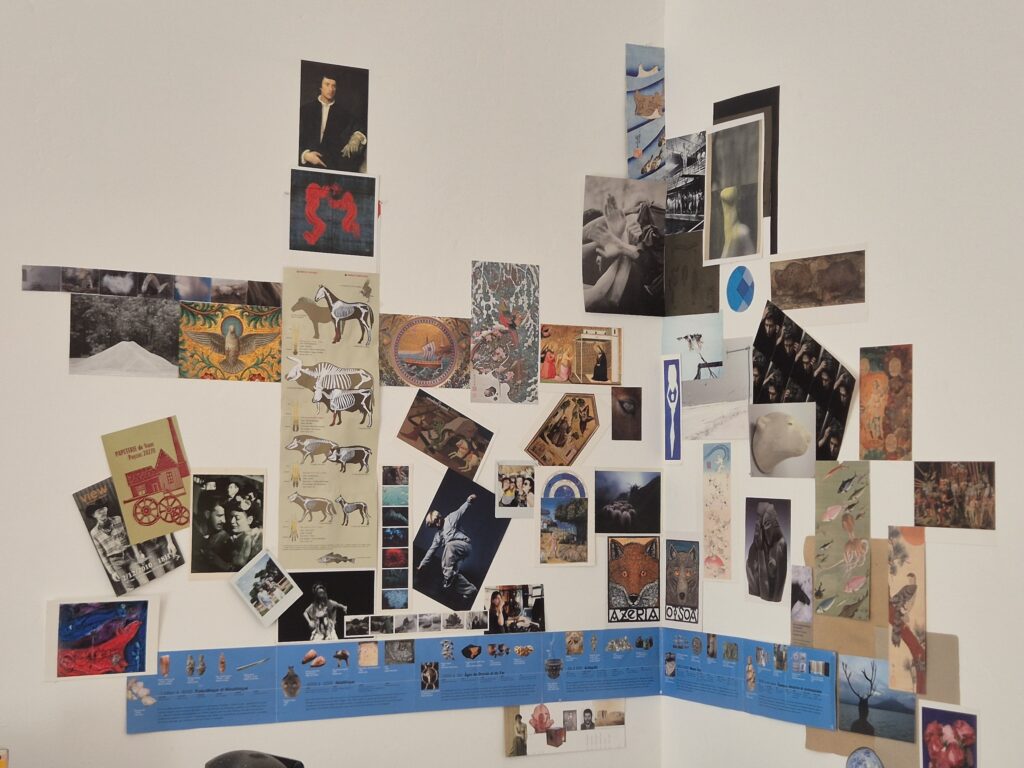
Hélène David’s studio
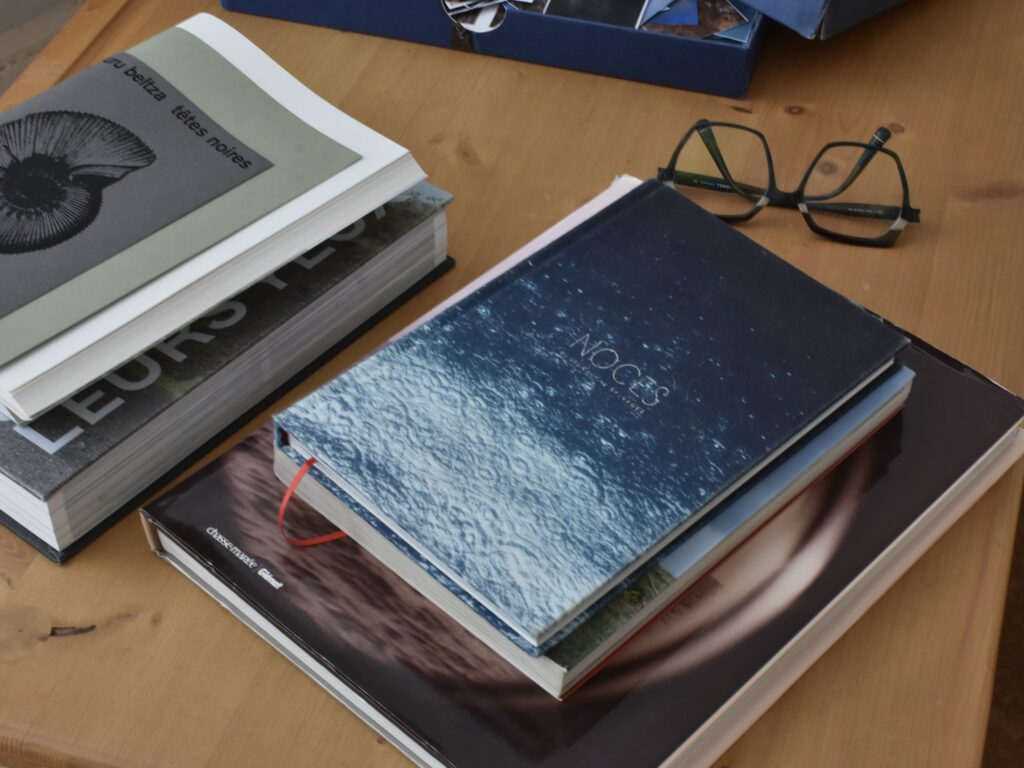
Hélène David’s studio
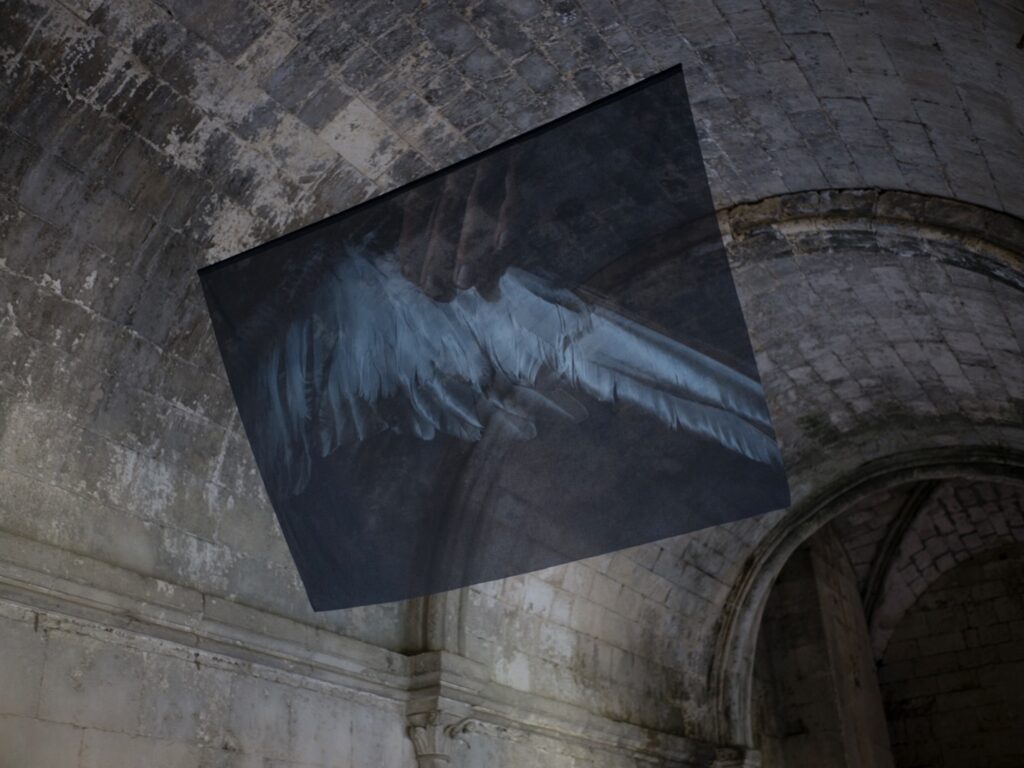
“Noces ou les confins sauvages” exhibition at Silvacane Abbey in 2017
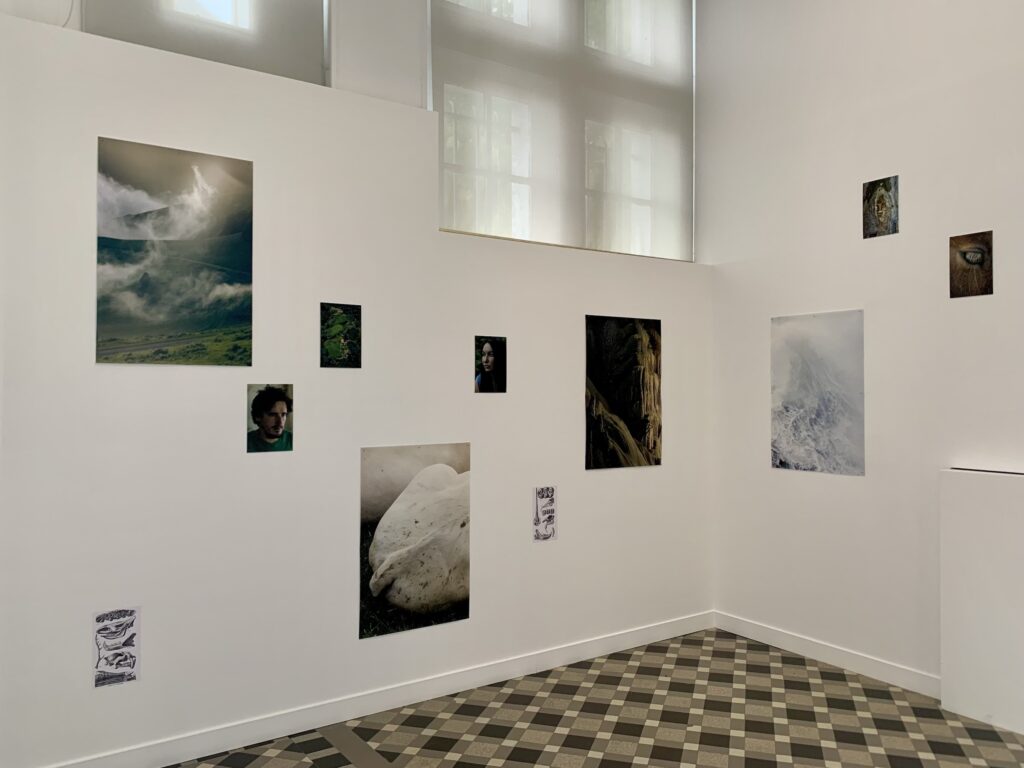
“Secrètes connivences avec le sol” exhibition at the Hauts-de-France Regional Photography Centre in 2024
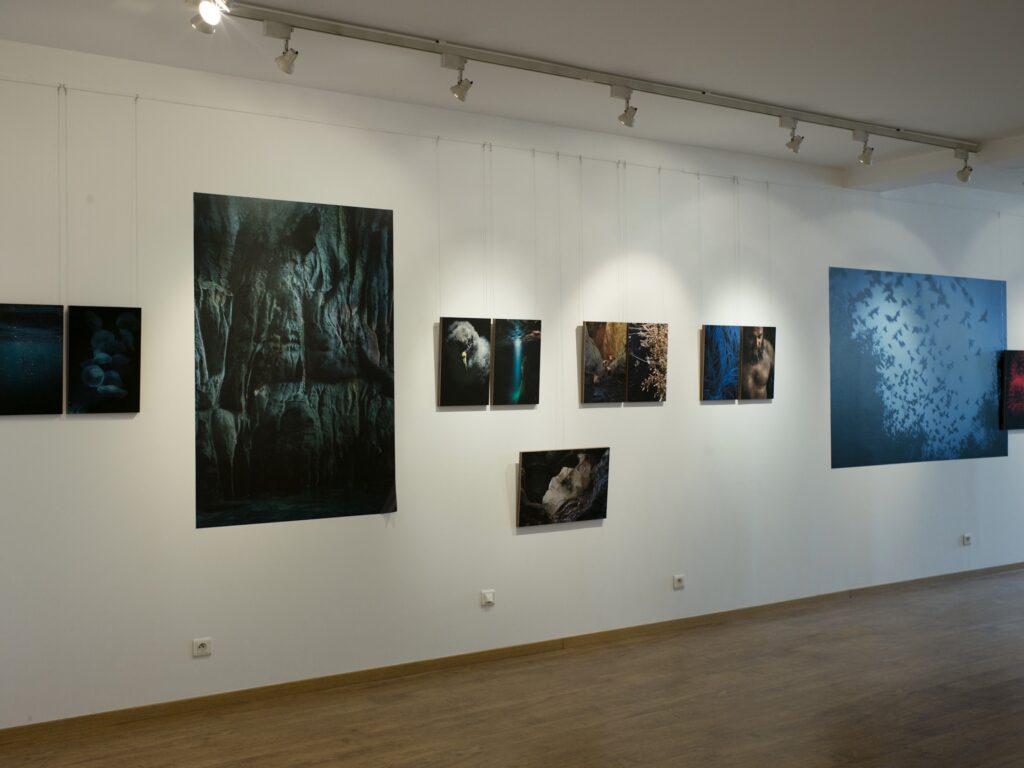
“Noces ou les confins sauvages” exhibition at Photomed Festival in 2017
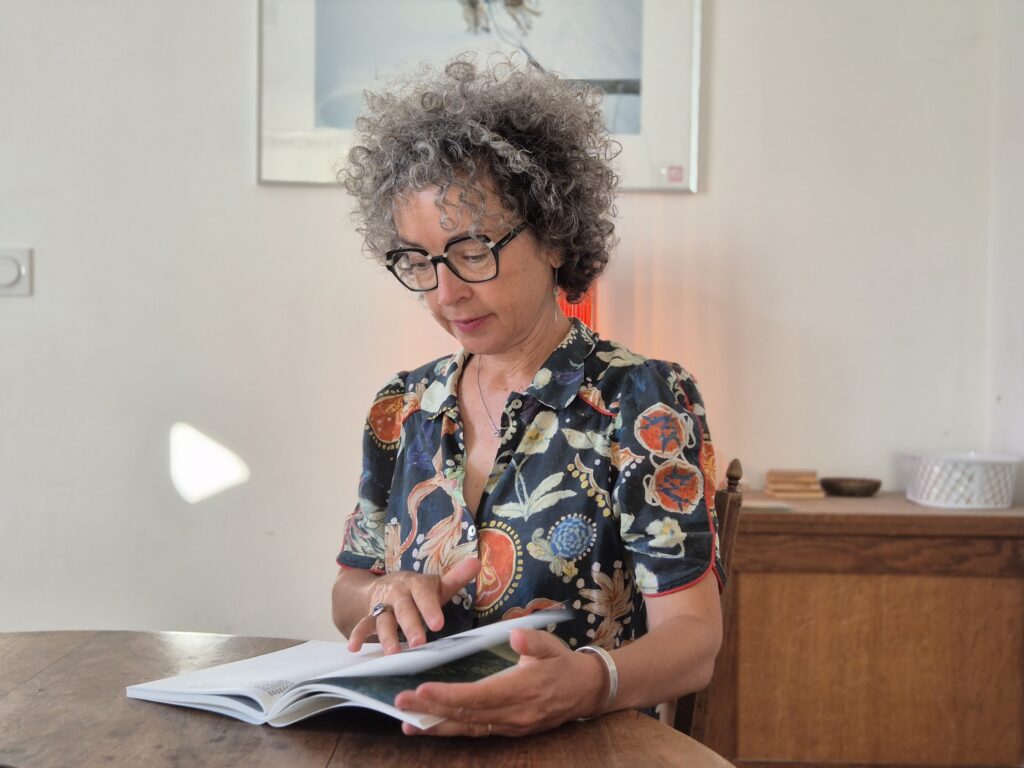
Hélène David at work in her studio
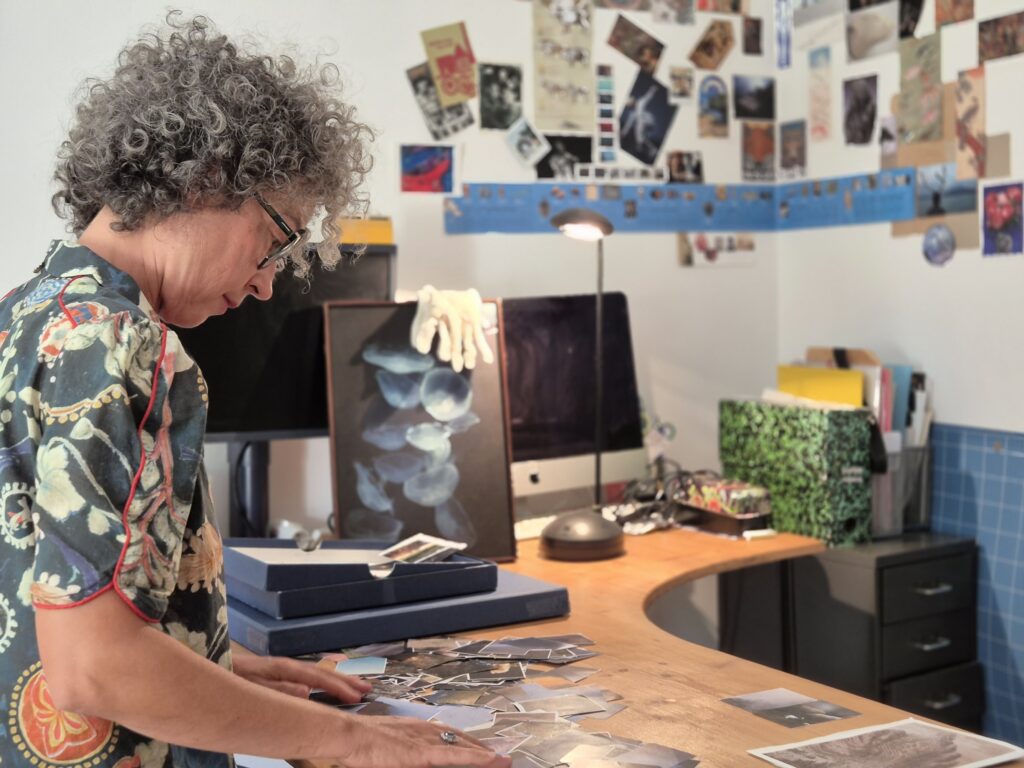
Hélène David at work in her studio
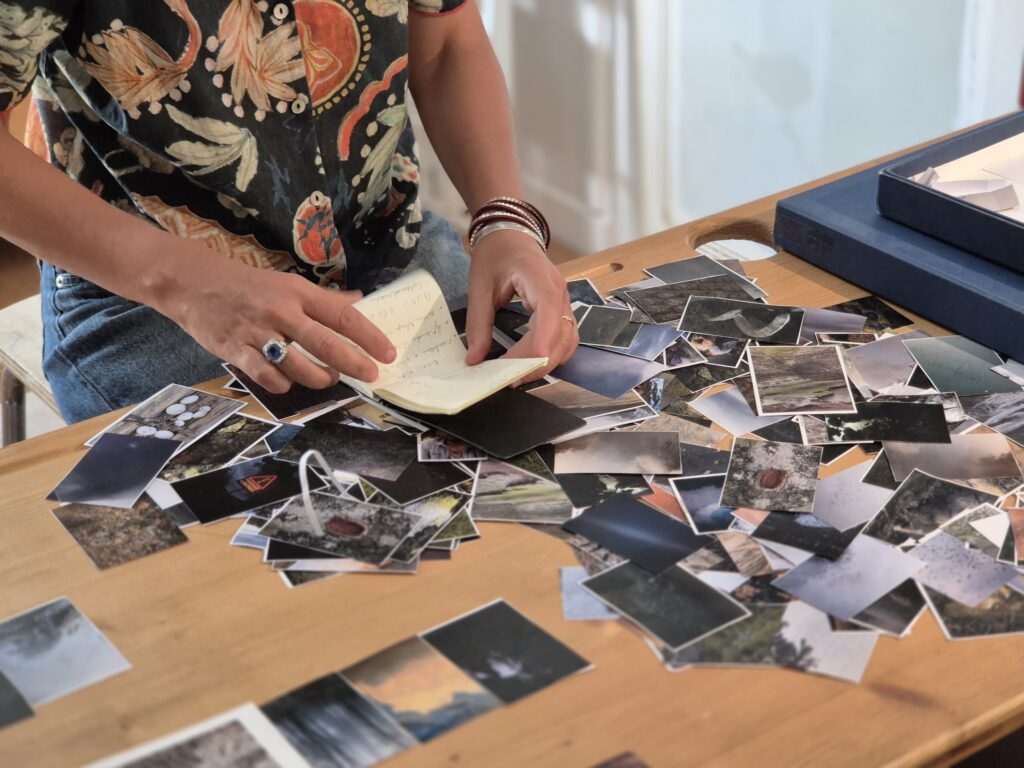
Hélène David at work in her studio
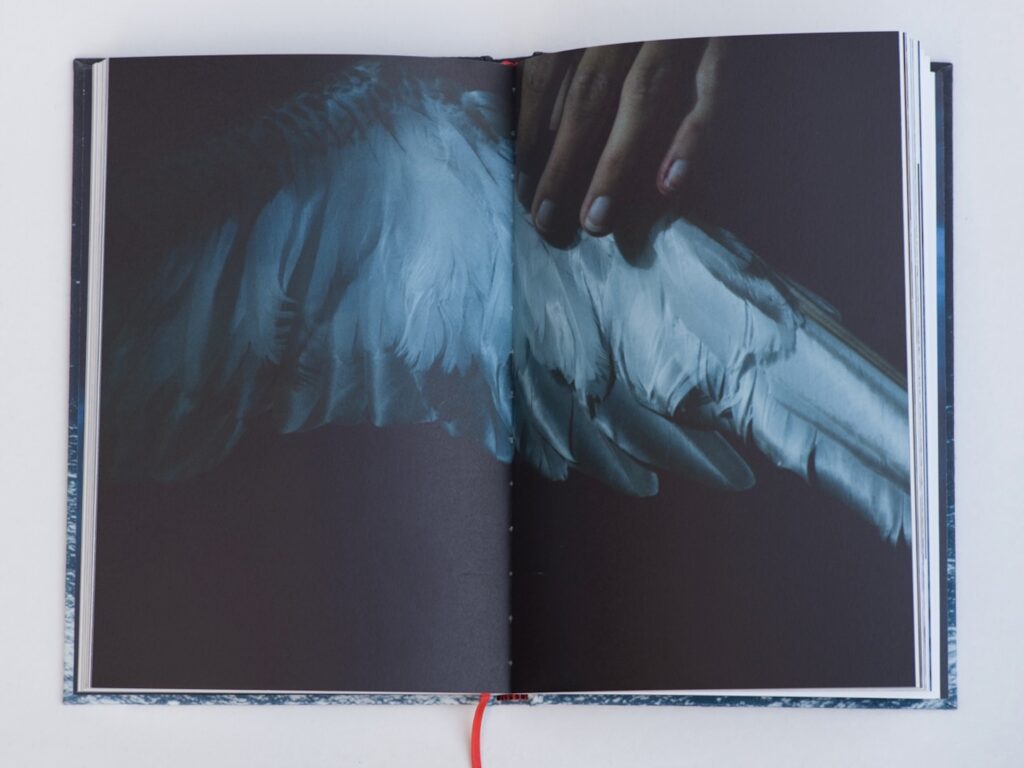
“Noces ou les confins sauvages” book
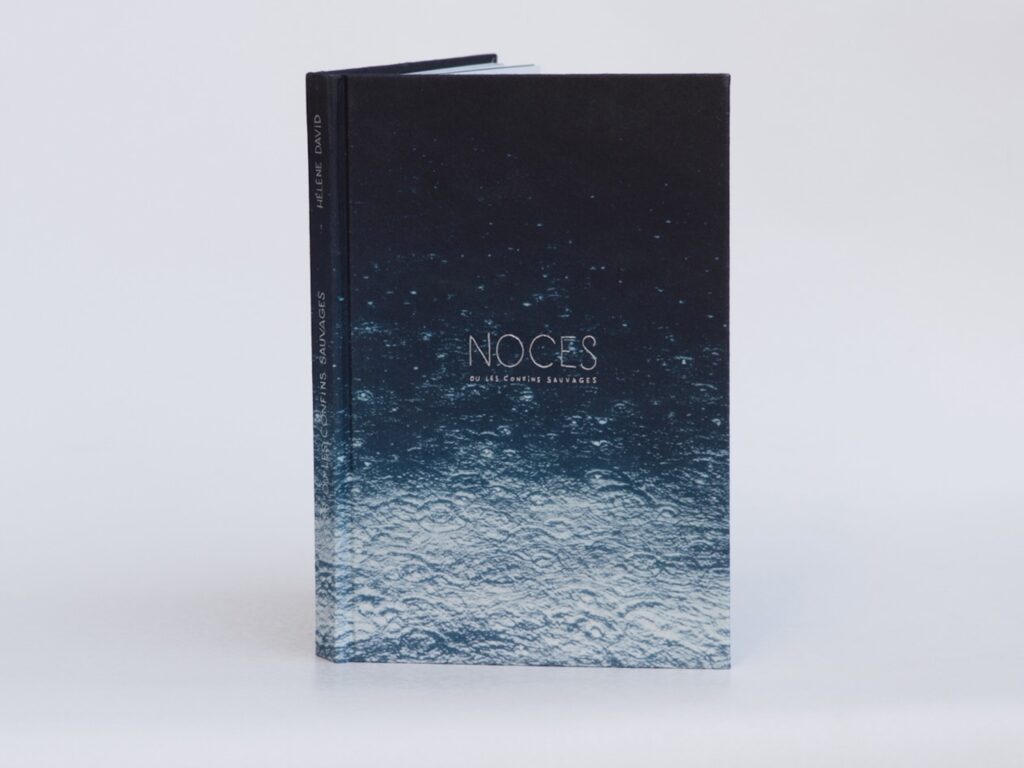
“Noces ou les confins sauvages” book
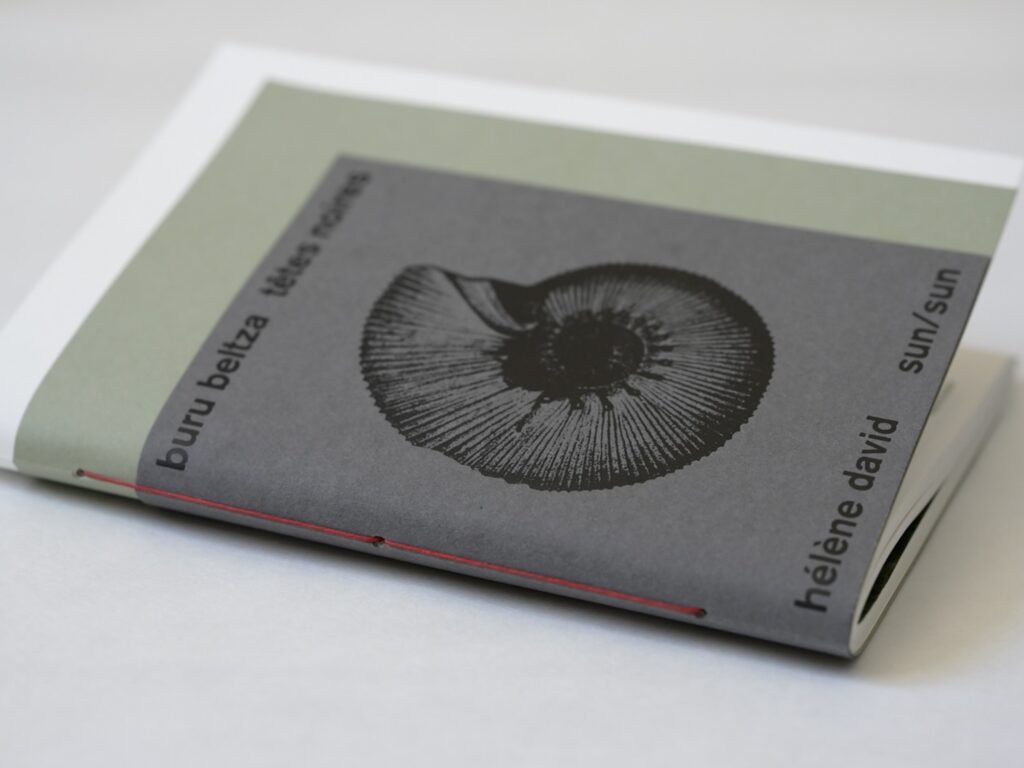
“Buru Beltza” book
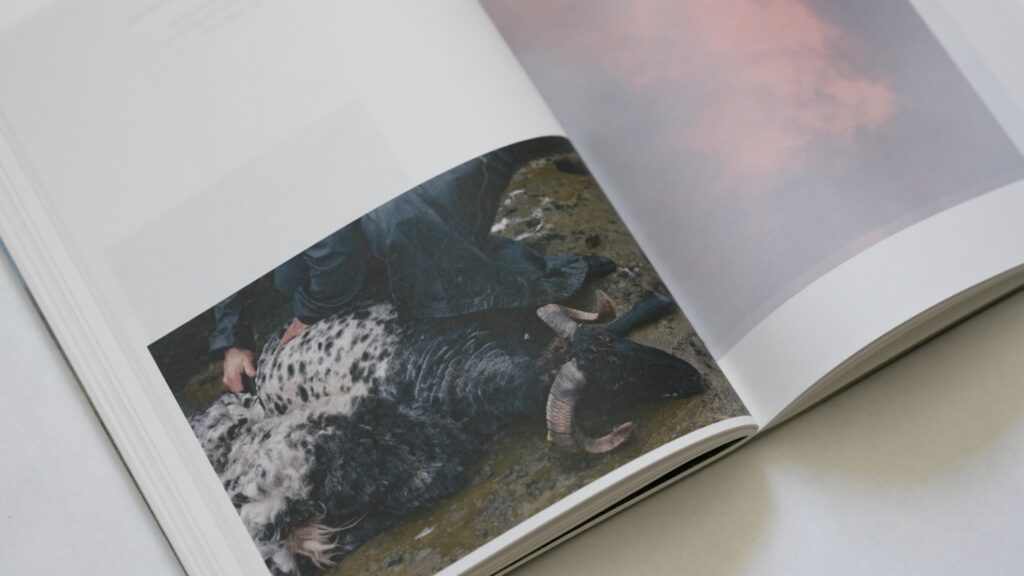
“Buru Beltza” book
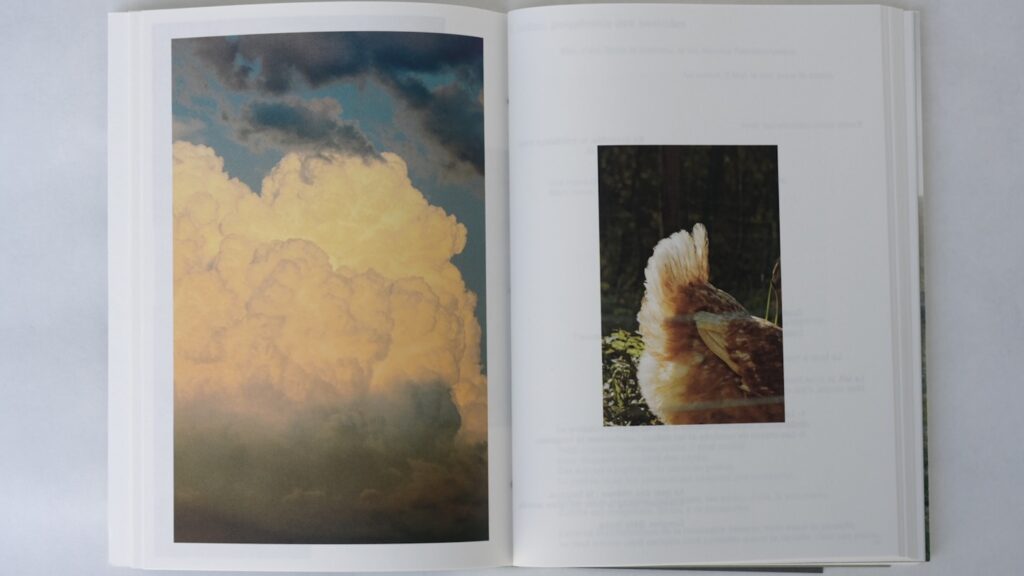
“Buru Beltza” book
CV
Education
- Graduate from the École Nationale Louis Lumière, 1994
- Member of the Argos collective until 2012
Solo exhibitions
- 2025: Marins, L’homme et la mer Festival, le Guilvinec, Finistère (France)
- 2025: Secrètes connivences avec le sol, Centre for Photography, Bergerac (France)
- 2025: Secrètes connivences avec le sol, solo show, Baxe-Nafarroa Solidarity Centre, Saint-Jean-Pied-de-Port (France)
- 2024: Secrètes connivences avec le sol, BnF François Mitterrand, Paris (France)
- 2024: Secrètes connivences avec le sol, Fotohaus Festival, Bordeaux (France)
- 2024: Secrètes connivences avec le sol, Inpakt Festival, Urrugne (France)
- 2024: Secrètes connivences avec le sol, solo show, Photography Museum, Chalon-sur-Saône (France)
- 2024: Secrètes connivences avec le sol, Maison de la Corniche, Hendaye (France)
- 2024: Secrètes connivences avec le sol, Hauts-de-France Regional Photography Centre, Douchy-les-Mines (France)
- 2020: La photographie en passant, Sur la piste de l’homme animal, Marseille Photography Centre (France)
- 2018: Noces ou les confins sauvages, Binôme Galery, Paris (France)
- 2018: Noces ou les confins sauvages, Contemporary photography fair, Marseille Photography Centre (France)
- 2017: Noces ou les confins sauvages, Silvacane abbeye, Photo-med Festival (France)
- 2016: Noces ou les confins sauvages, Byopaper project, Rencontres d’Arles (France)
- 2013: Marins, International Marine Photography Festival, Vannes (France)
Group exhibitions
- 2025: Méandre, la rivière monde, Contemporary Art Gallery, Le MI[X] Mourenx, Pyrénées Atlantiques (France)
- 2022: Sublime!, Quai du Port, Marseille (France)
- 2021: Océaniques Anonymes, Portimao show, Porto (Portugal)
- 2021: Le cantique des moineaux, Bouches-du-Rhône Departmental Archives (France)
- 2009: Réfugiés climatiques, World Climate Summit
- 2007: Réfugiés climatiques, BnF, Paris (France)
- 2006: Réfugiés climatiques, La Gacilly festival (France)
Collections
- Collections of the Department of Prints and Photography, National Library of France
- Miramas Intermunicipal Art Library, France
- Bouches-du-Rhône Departmental Archives, France
- House of Mediterranean Cinema, France
- Municipal Contemporary Art Fund, France
- Basque Country Metropolitan Community, France
Awards & Residencies
- 2026 : Booksellers’ Photobook Prize with Buru Beltza / Têtes noires
- 2024 : Nekatoenea’s co-creation and outreach residencies, Hendaye (France)
- 2021-2020: Océaniques Anonymes, Porto (Portugal)
- 2020: Residency, Ambarès Centre, Bordeaux (France)
- 2021. Residency, Theatre Armazen, Porto (Portugal)
- 2019: Sur la piste de l’homme animal, Territorial residency, Alpes-Maritimes (France)
- 2019: Finalist, Roger Pic Prize
- 2018: Polyptyque Prize, Binôme Gallery, Paris (France)
- 2012: Support for contemporary documentary photography, Kerkennah, la renaissance du bleu, CNAP
- 2011: Gueule d’Hexagone, residency, Fos-sur-Mer (France)
- 2003: Sea Workers’ Prize, Vannes (France)
- 2001: Aida Prize, Social and Documentary Photography
Commissions
- 2022 : Radioscopie d’une France en crise, Photography Commission, Ministry of Culture
Publications
- 2026; Buru Beltza ( têtes noires ), Sun/Sun Editions (monograph)
- 2024: La France sous leurs yeux, 200 regards de photographes sur les années 2020, BnF Editions (anthology / collective publication)
- 2018 Noces ou les confins sauvages, Sun/Sun Editions (Finalist for Book of the Year, HIP Prize) (monograph)
- 2012 Gueule d’Hexagone, Intervalles Editions (with the Argos collective)
- 2009: Réfugiés climatiques, Carré Editions (with the Argos collective)
- 2008: En mer, voyages photographiques, Farid Abdelhouahab, Editions Glénat (anthology / collective publication)
