Bronze sculptures









Biography
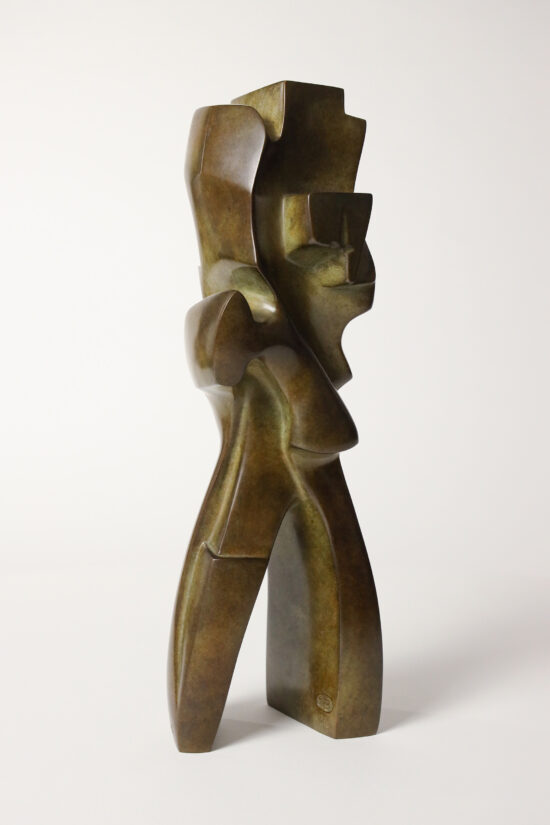
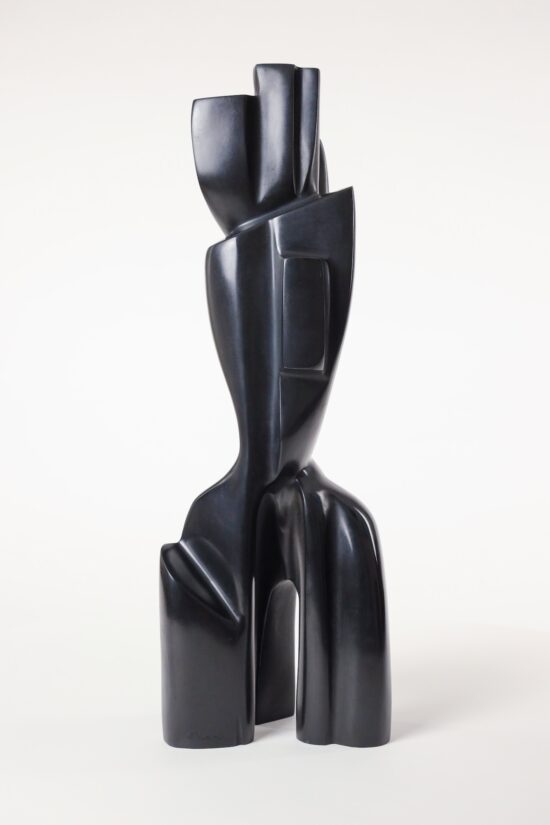
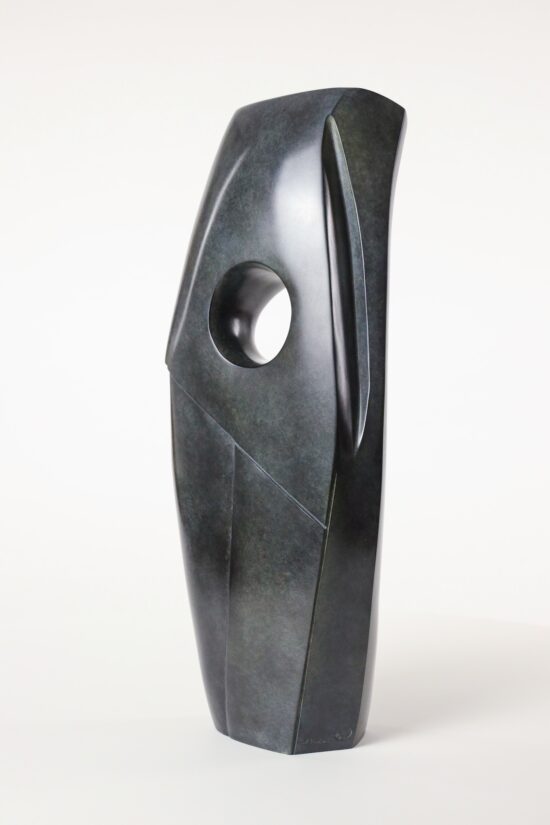
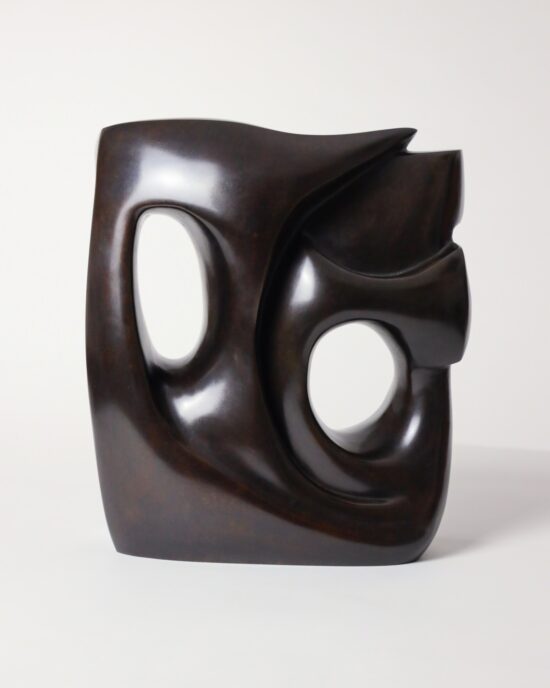
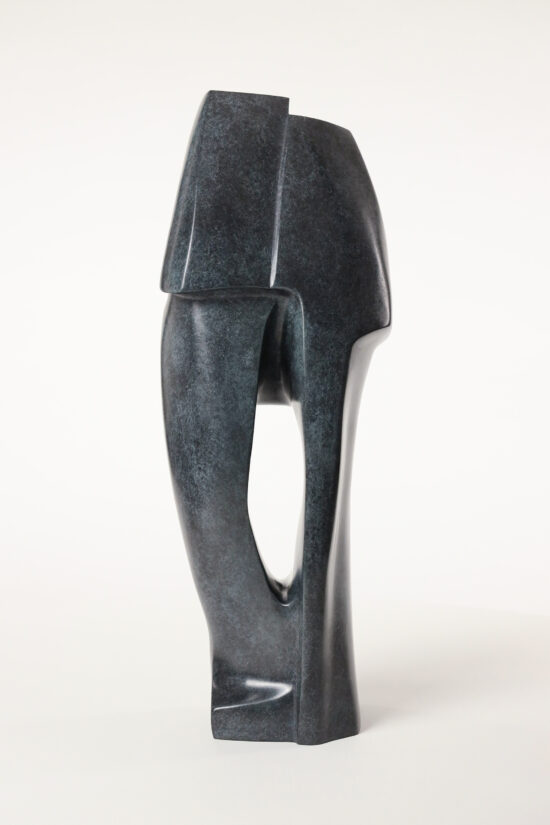
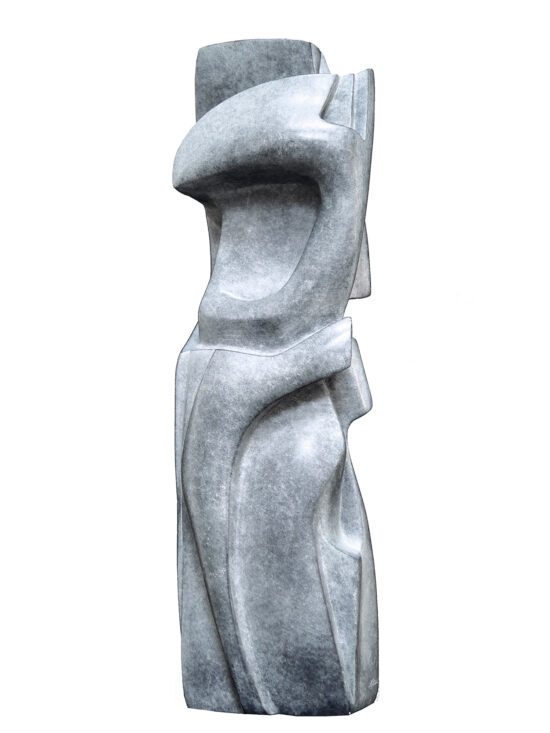
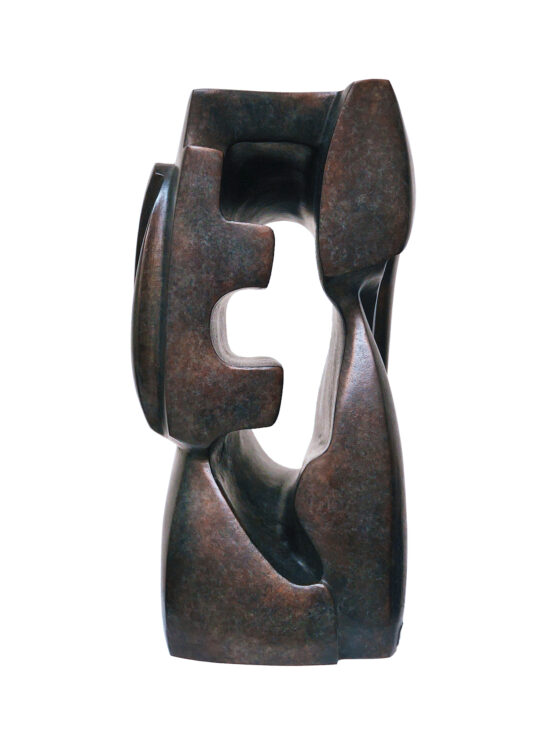
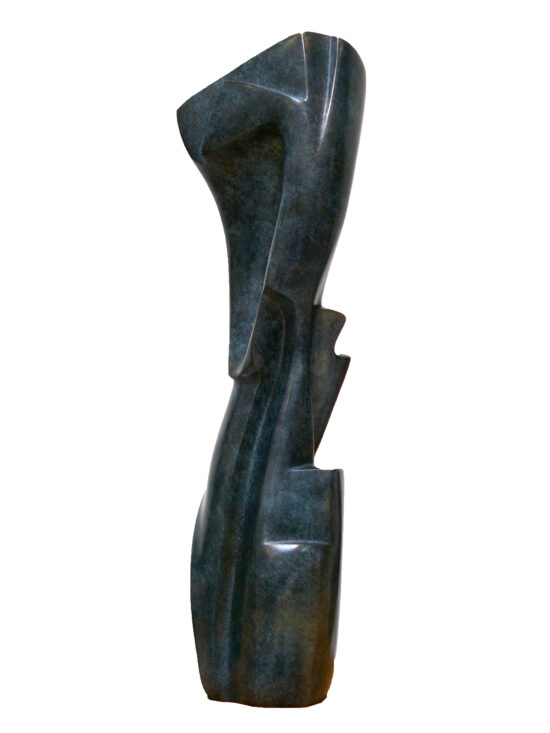
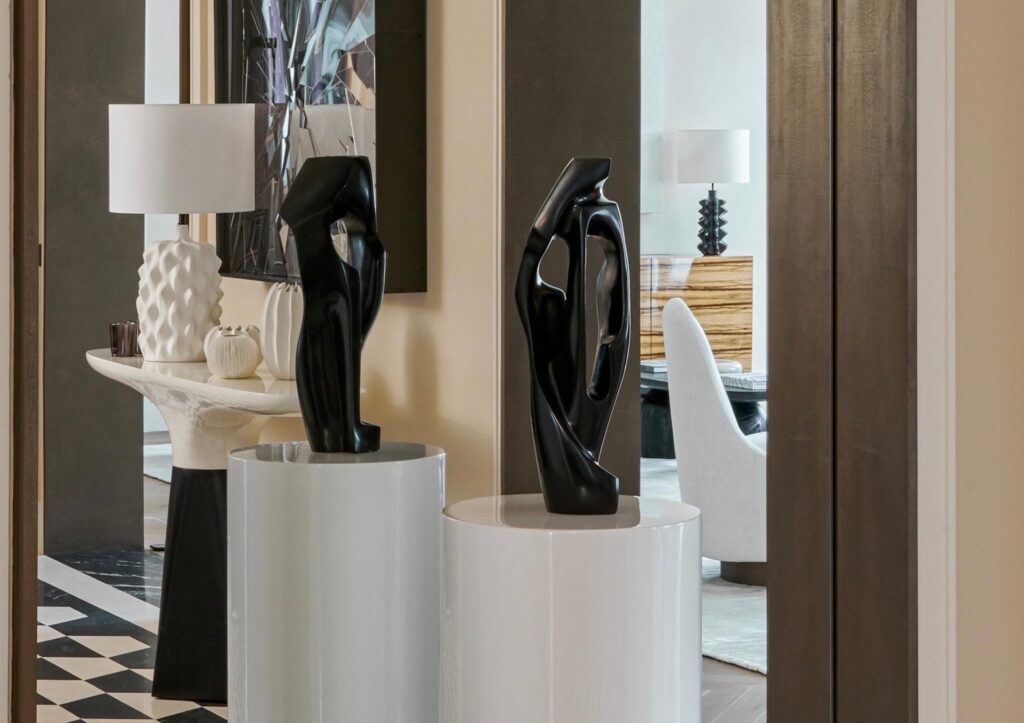
Antoine Vidal’s bronze sculptures combine verticality and abstraction in a quest for harmony of lines and forms. They reflect a search for rhythm and musicality, with the aim of allowing light to glide over the piece, revealing its subtle elegance.
Antoine Vidal: from music to sculpture, a quest for harmony
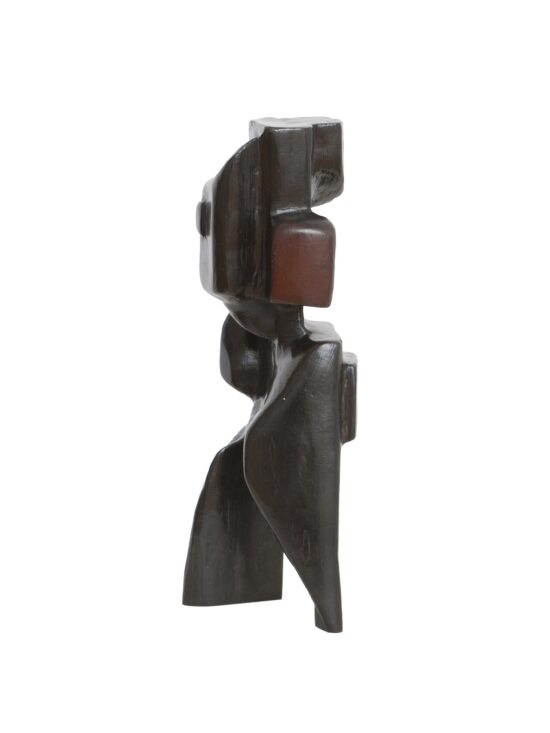
Antoine Vidal (born 1971) wasn’t always a sculptor. Self-taught, he first made his mark in the music industry as a composer, record producer and founder of a production company. He ended his musical career in 2014 for personal reasons. It was an ebony wood sculpture that he created years earlier, following a trip to the Ivory Coast, that rekindled his desire to sculpt. This prompted him to explore in greater depth the shapes and lines he had been drawing since his youth. He spontaneously followed his creative instinct and produced a first series of abstract sculptures. From that moment on, he devoted himself to sculpture. His works are now exhibited at art fairs and in galleries across Europe. The artist frequently works with renowned interior designers.
What connects his musical past to his present life as a sculptor is a tireless quest for harmony. Antoine Vidal explains this link as follows: “I think there are numerous similarities between music and my sculptures, as I focus on harmony, rhythm, silence, fullness, and emptiness. I feel a strong musical quality and a deep harmony in the search for these taut and smooth lines, and then in the breaks and sharp edges.”
Drawn to verticality and abstraction
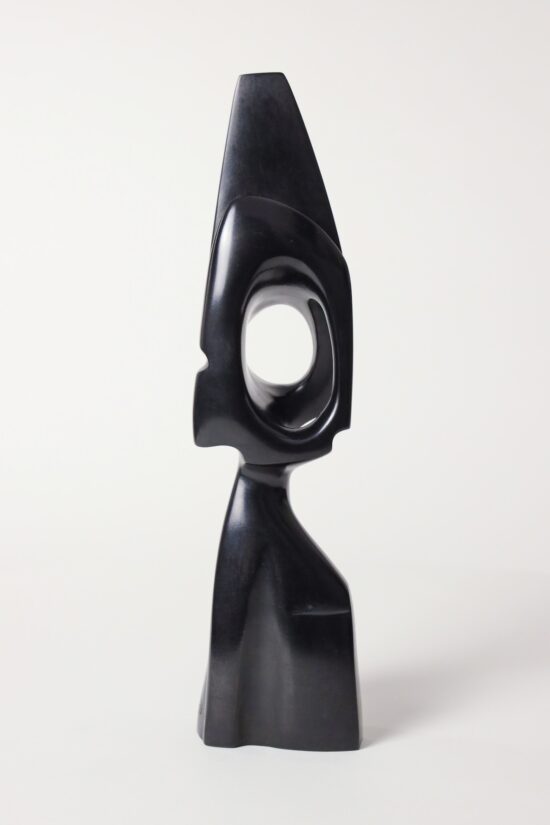
Influenced by the African arts and by design, Antoine Vidal emphasises the two things that were obvious to him at the start of his sculptural career: the verticality of his pieces, probably inspired by totemic sculpture, and an abstract approach, which he likes for the freedom of imagination and interpretation it offers the observer. What he calls the “figurative ingredients” in his contemporary sculptures — zoomorphic or anthropomorphic elements that may inspire his initial idea — gradually fade away or leave only a distant and subtle imprint on the piece.
“I like the idea of abstraction, of pure abstraction, this possibility of seeing a multitude of things rather than a single representation.” – Antoine Vidal
Discovering his chosen material: bronze
Antoine Vidal continues to work with wood, in particular exotic species, including sipo and iroko. But his favourite material is without a doubt bronze. Meeting his current foundryman, Giuseppe Rosini, marked a turning point in his artistic journey: the first sculpture cast in bronze revealed a strength and power he could never have imagined. The noble, eternal and solid character of bronze is at the root of the artist’s deep attachment to this material. He also greatly values his close working relationship with his foundryman, as well as the insightful discussions he has with the craftsmen involved in each creation.
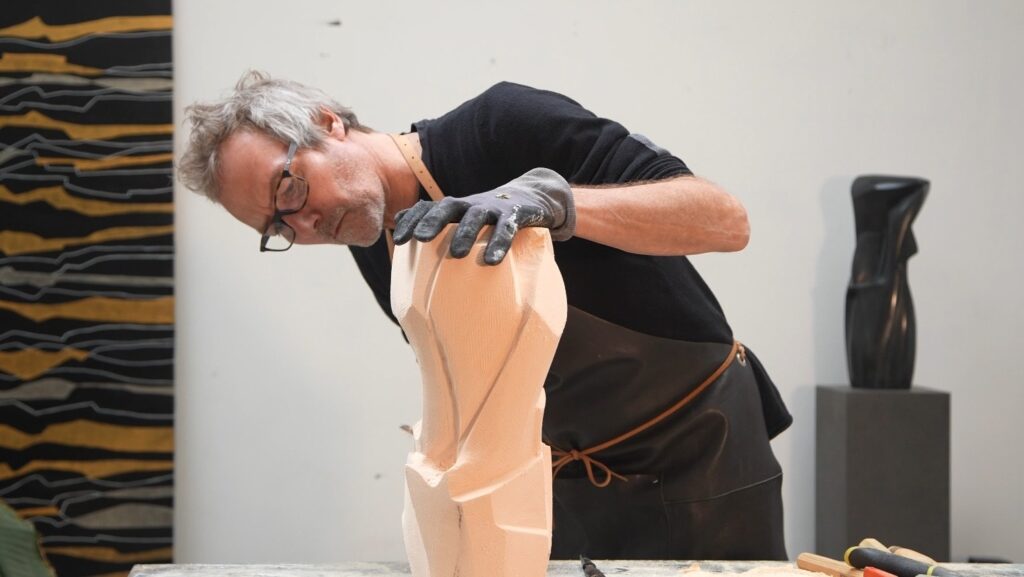
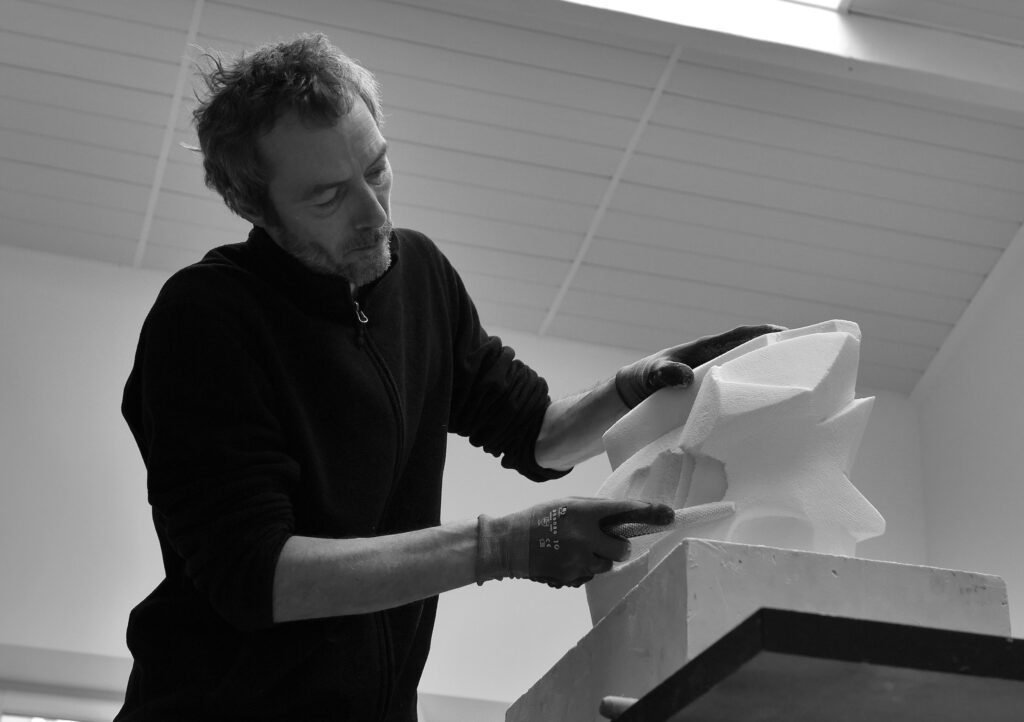
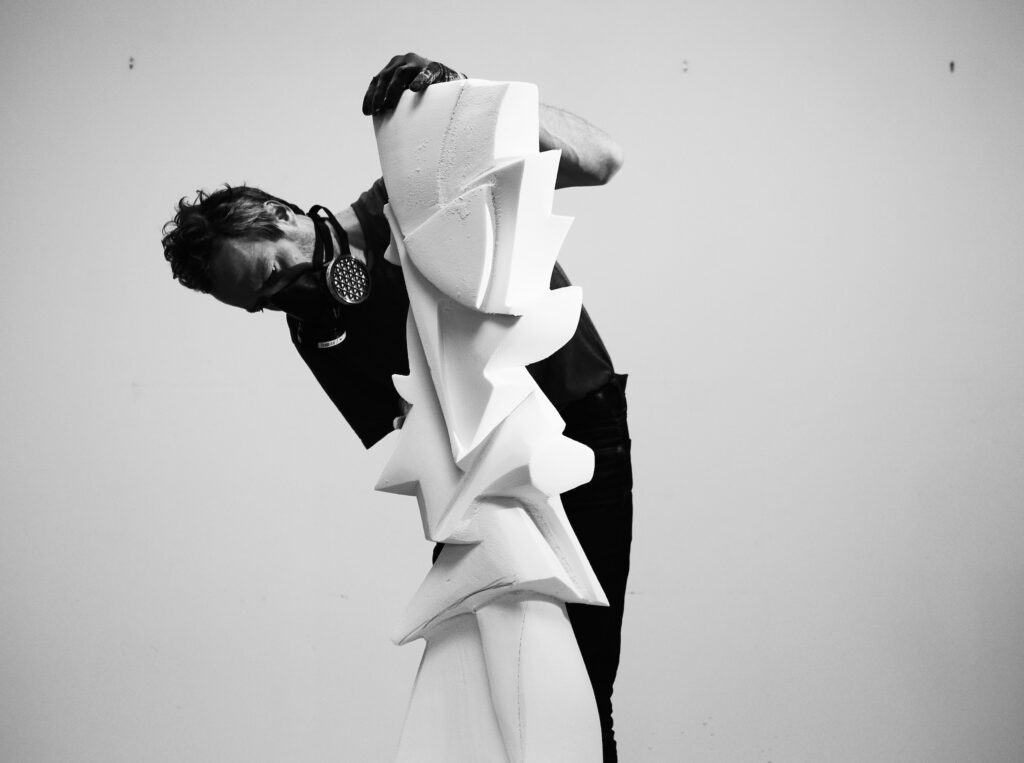
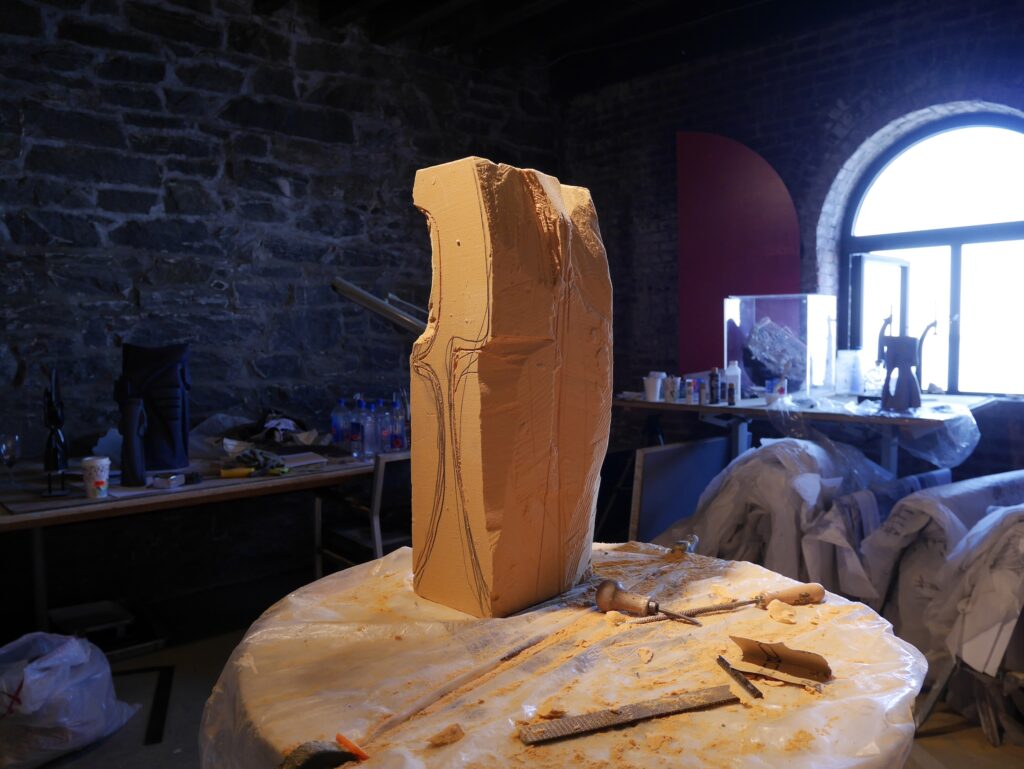
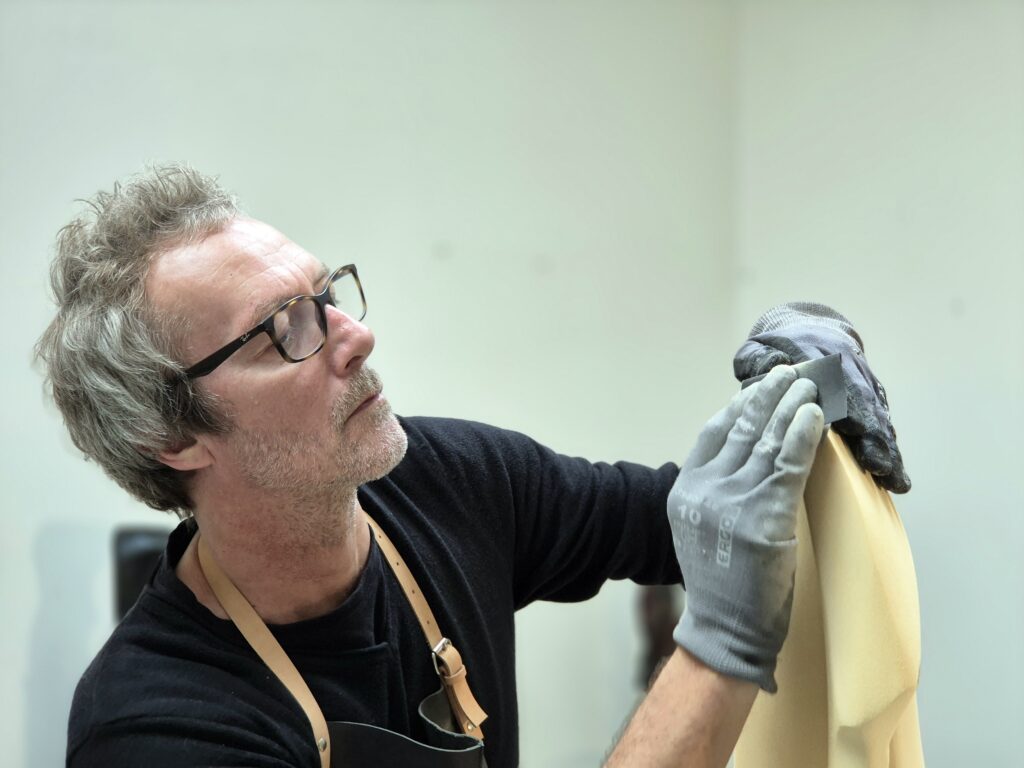
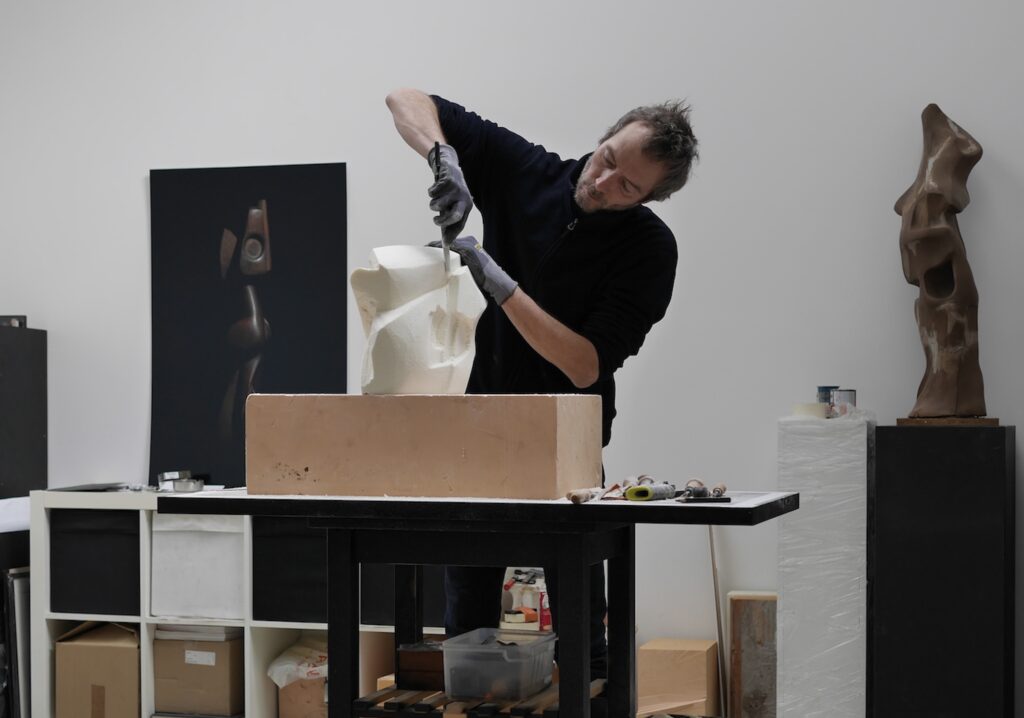
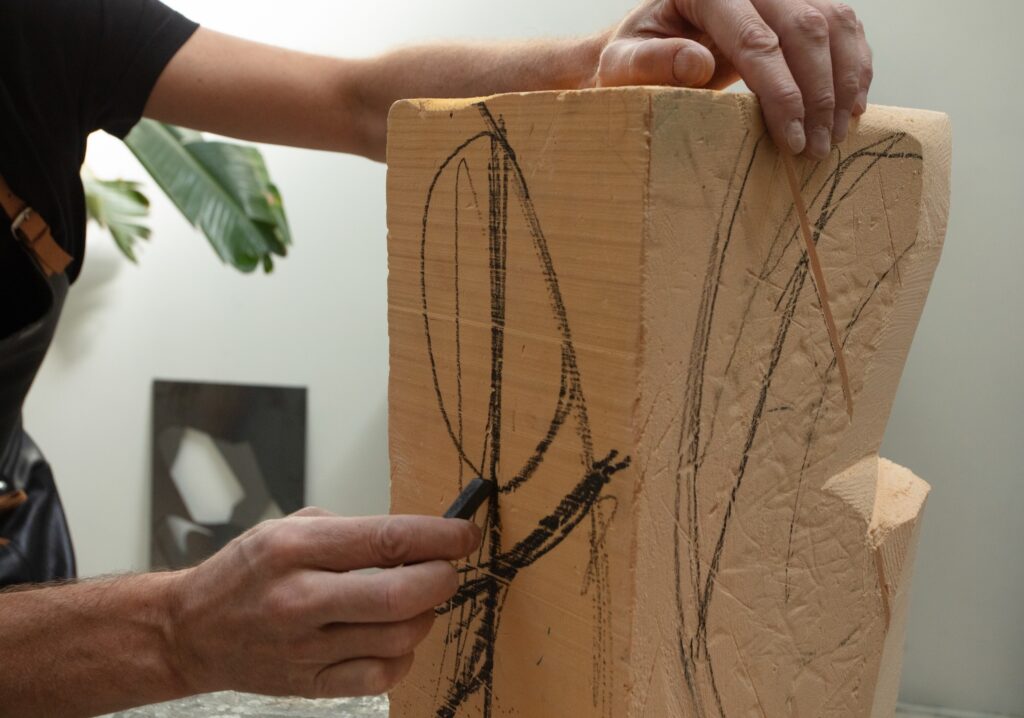
Before entrusting a work to the foundry, Antoine Vidal first carves it in wood or, more frequently, in a very dense, hard polyurethane foam. He draws and creates lines directly on the block over several days, looking at it and photographing it from all angles. He keeps his work sessions short, allowing him to maintain his focus. When he feels sufficiently confident — because once carved, there is no way back — he begins to work the block using simple, traditional tools including chisels, saws, and rasps, until the desired form emerges: the taut lines come together, and the solid areas and voids alternate to create a harmonious balance. In this creative phase, the artist lets his hands guide him in what he describes as “a dance duet”. Once the shape is established, he moves on to sanding, an essential final stage in obtaining the smooth appearance so characteristic of his work, which echoes African statuary.
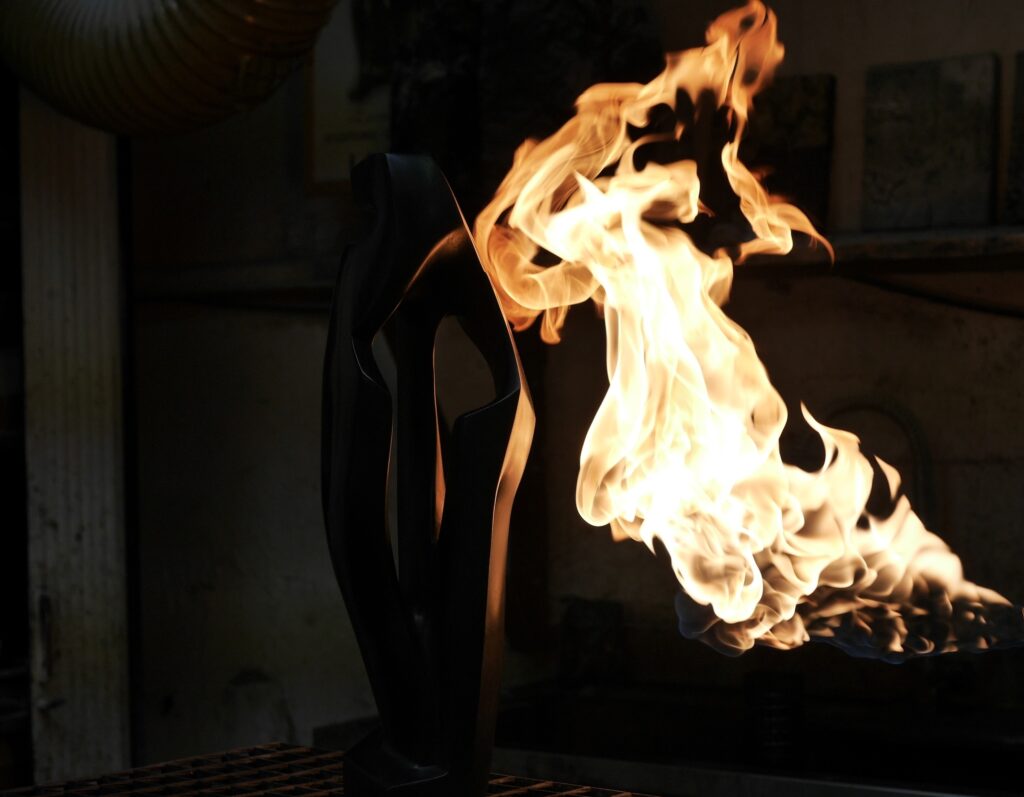
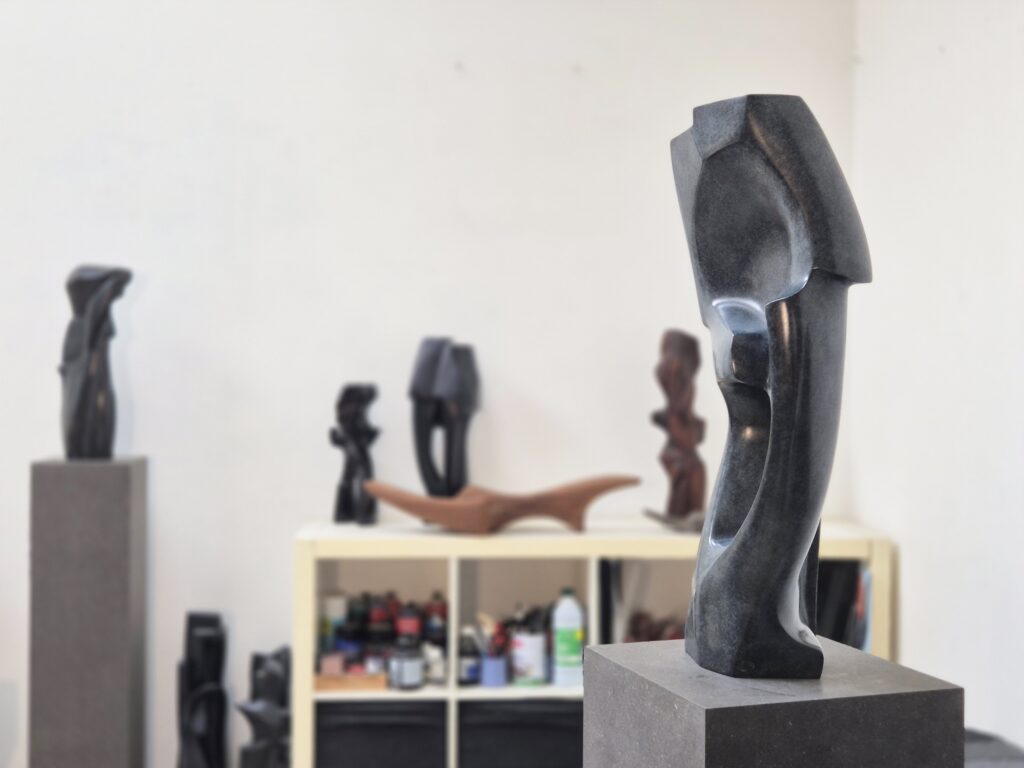
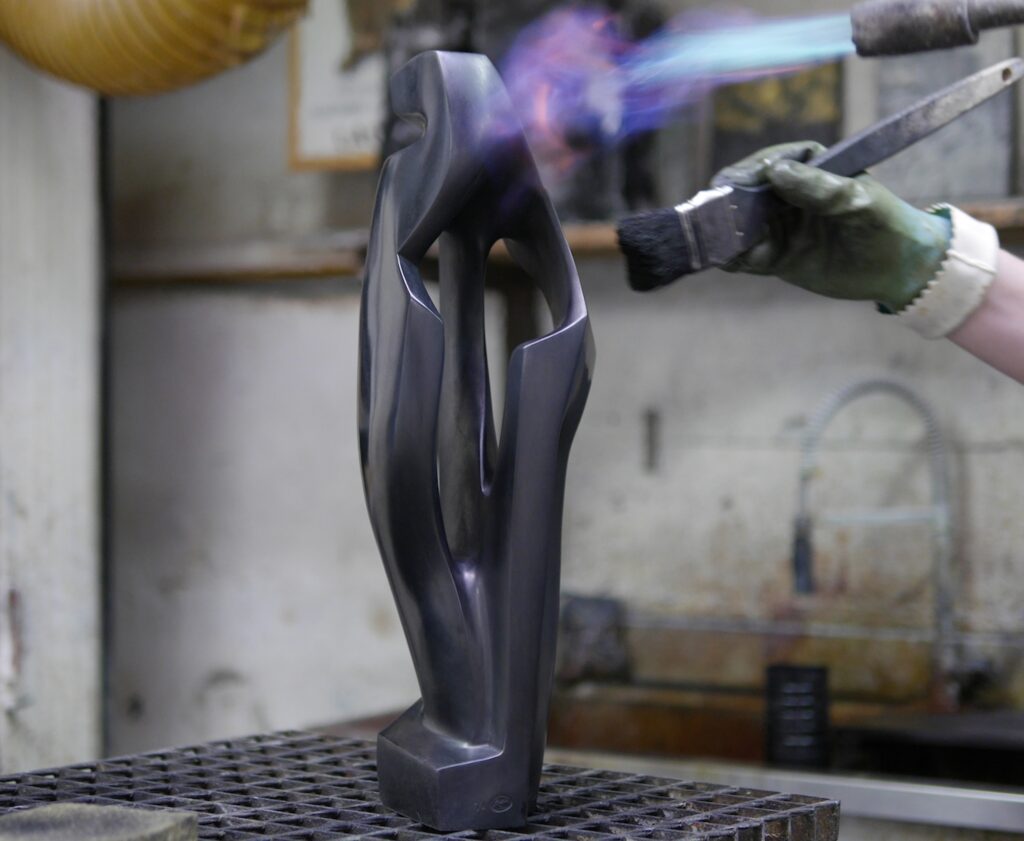
The contemporary sculptor then makes a mould that he entrusts to the foundry, where the bronze work unfolds in several stages: casting, chiselling, and, finally, creating the patina. The sculptor particularly loves the final stage, as the choice of patina determines the finished piece’s colour, texture, and reflections. Antoine Vidal prefers muted, often dark shades, and mineral-looking patinas that blur the perception of the material. But above all, the bronze and its patina allow the light to glide over the piece, underlining its elegance and fluid, sinuous appearance.
“When I started out, the multifaceted aspect of sculpture enthralled me, especially in relation to light. When you move around it or turn the sculpture by 90°, it tells a completely different story. It’s this importance of light, the way it settles, and the way it mesmerises… That’s kind of the secret to and it’s the exciting side of my job. My goal is to craft a piece that creates a harmonious visual experience, regardless of where you are standing.” – Antoine Vidal
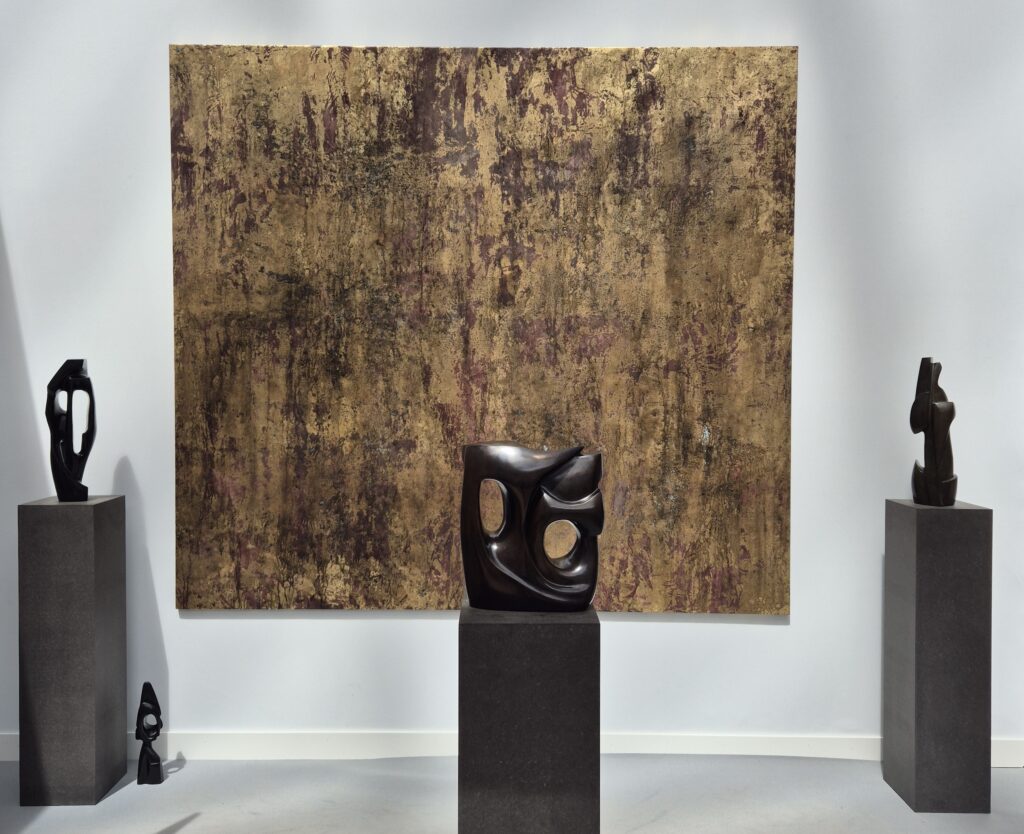
Revelations Biennial 2025, Antoine Vidal and Nicolas Galtier
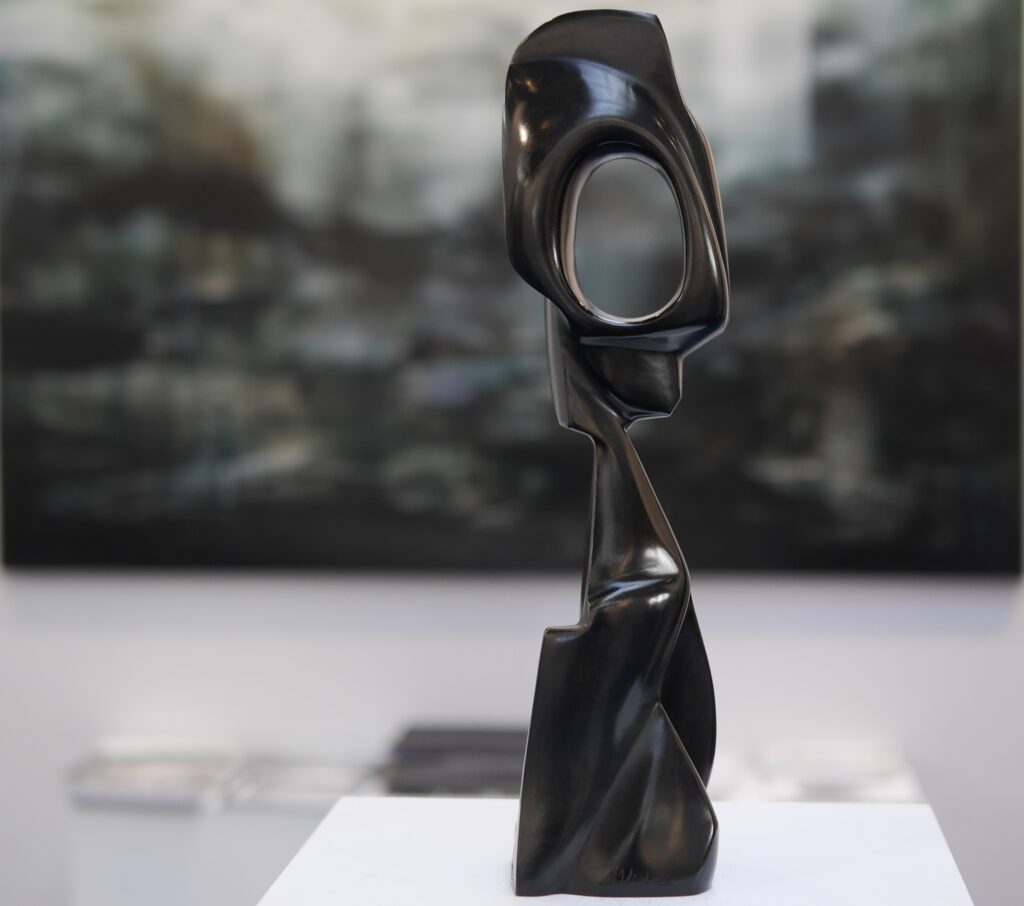
YIA Art Fair 2018, Galerie Cyril Guernieri, exhibition of Antoine Vidal and Joachim van der Vlugt
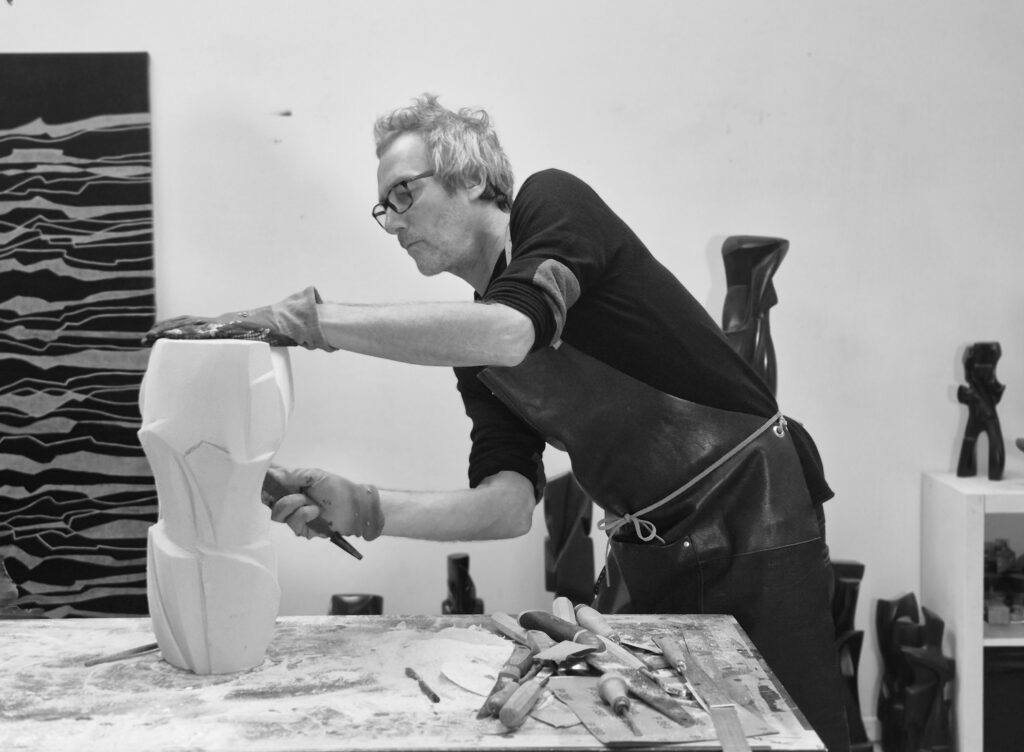
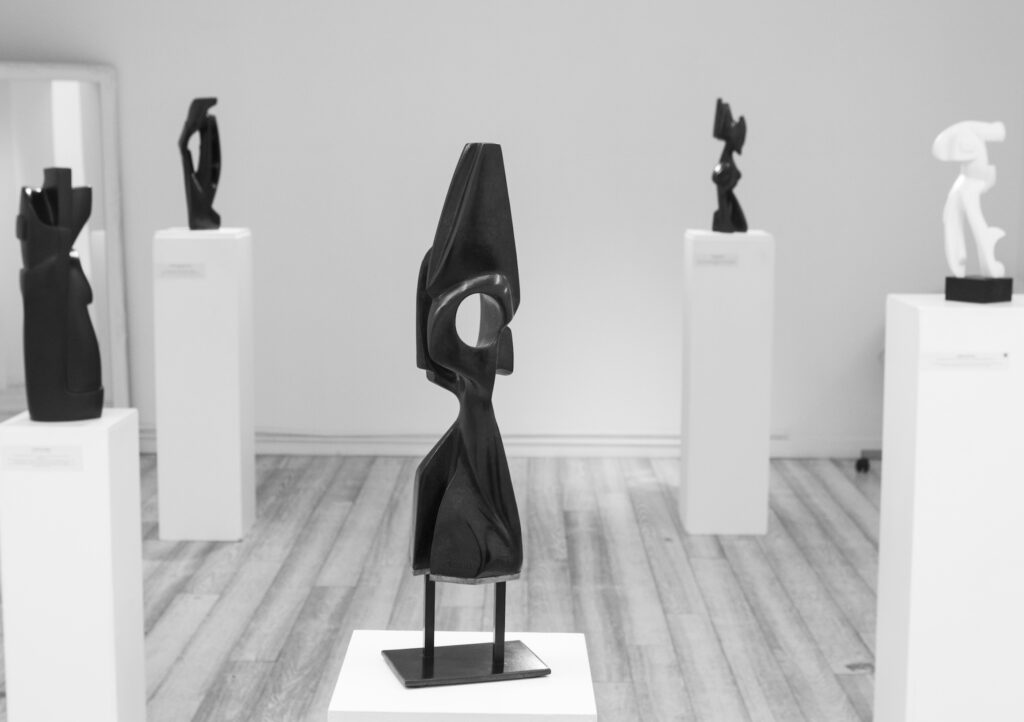
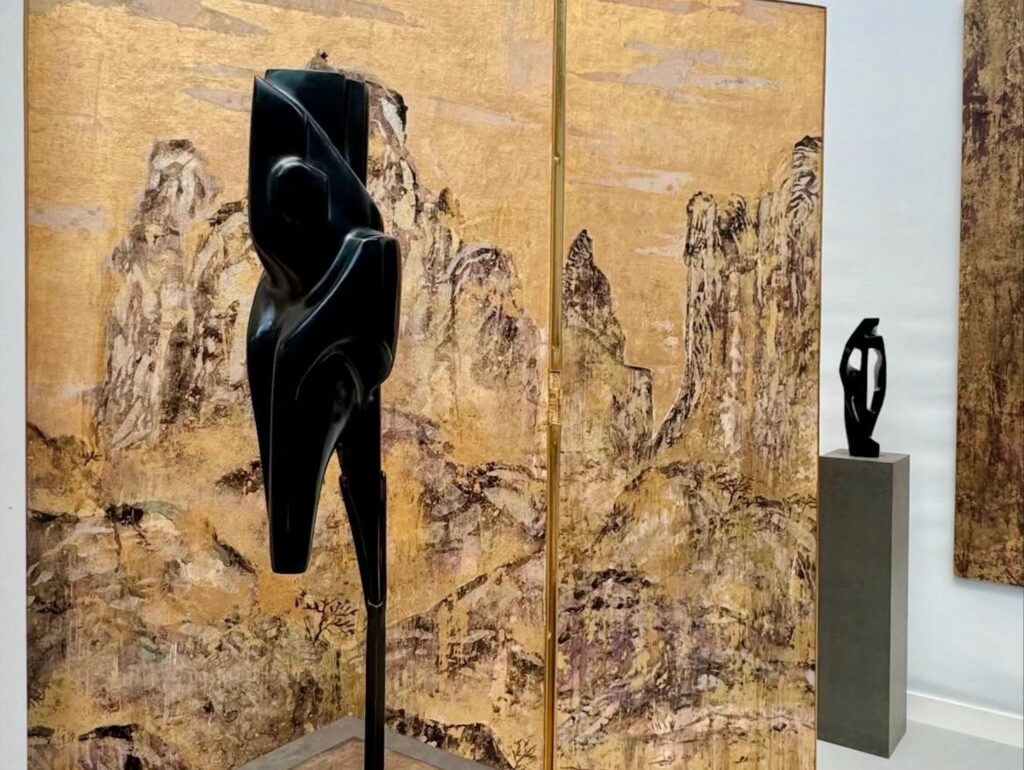
Revelations Biennial 2025, Antoine Vidal and Nicolas Galtier
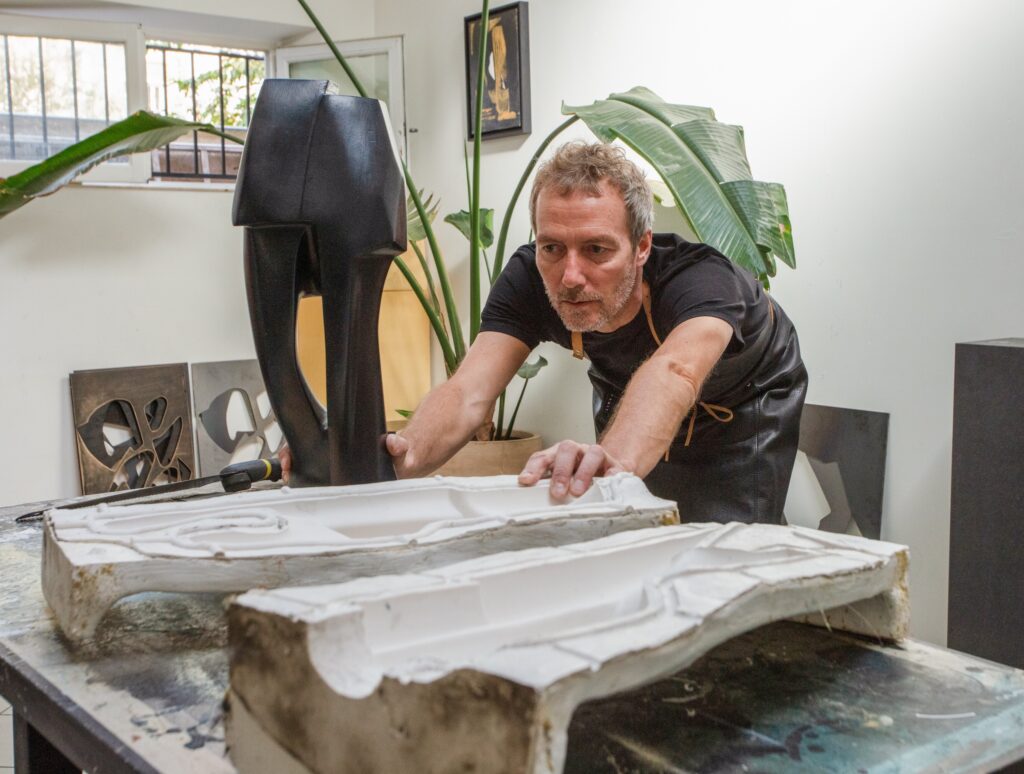
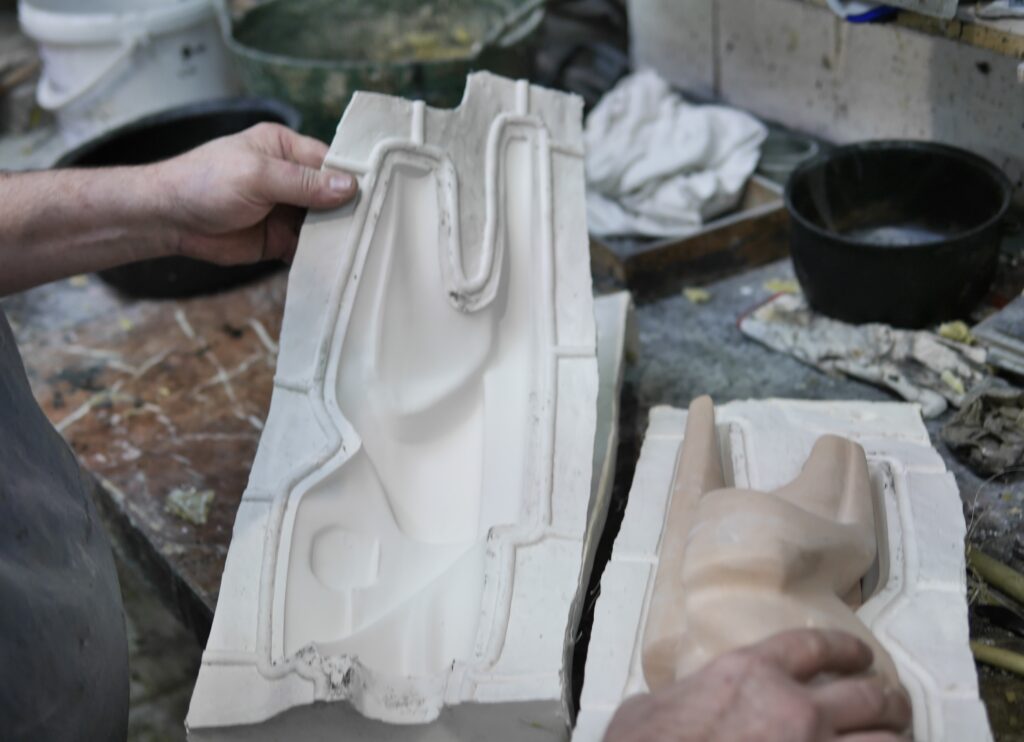
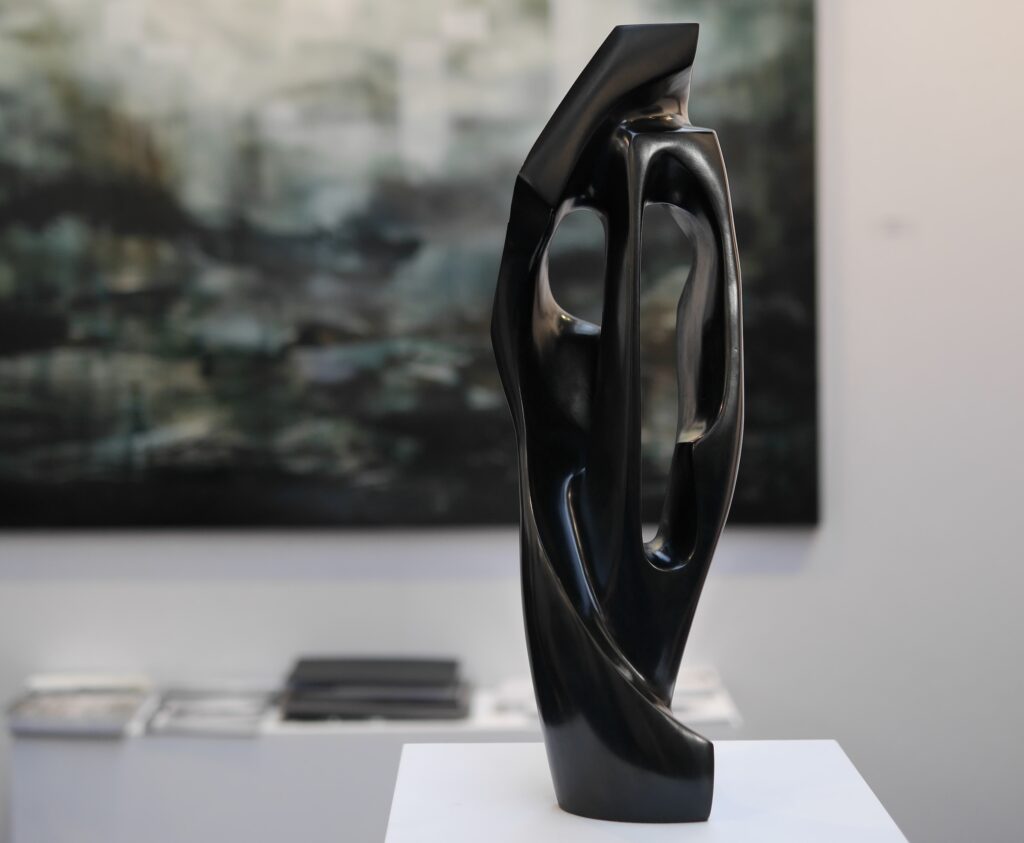
YIA Art Fair 2018, Galerie Cyril Guernieri, exhibition of Antoine Vidal and Joachim van der Vlugt
CV
Exhibitions
- 2025: “Révélations”, duo show with Nicolas Galtier, Grand Palais (Paris, France)
- 2023: “Révélations”, Grand Palais (Paris, France)
- 2021: Kimberly Denman Show room (NYC, US)
- 2019: Cyril Guernieri Gallery (Paris, France)
- 2019: SIAF – Van Gogh Gallery (Salzburg, Austria)
- 2019: FIAC (Paris, France)
- 2019: Cyril Guernieri Gallery (Paris, France)
- 2018: YIA Art Fair, Cyril Guernieri Gallery (Paris, France)
- 2018: “Les Jeunes Marchands at Tajan”, Cyril Guernieri Gallery (Paris, France)
- 2018: Freestudios (Geneva, Switzerland)
- 2018: Vallart (Courchevel, France)
- 2017: YIA Art Fair (Paris, France)
- 2017: “Les Jeunes Marchands at Tajan”, Rauchfeld Gallery (Paris, France)
- 2017: YIA Art Fair (Brussels, Belgium)
- 2016: “Metamorphoses” (Paris, France)
- 2016: YIA Art Fair (Paris, France)
- 2016: “Sculpture by the Château with Marshall Murray” (Dourlers, France)
- 2016: Art EnTranse Gallery (Paris, France)
- 2016: “Showroom with Bel’RP” (Paris, France)
- 2016: YIA Art Fair (Brussels, Belgium)
- 2015: Monaco Fine Arts (Monaco, France)
- 2015: Charlotte Norberg Gallery (Paris, France)